Inside Bill's Brain: Decoding Bill Gates
2019 Series
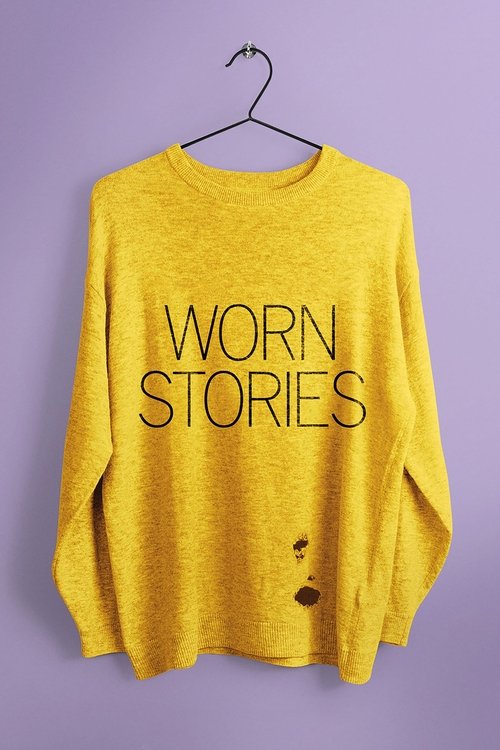
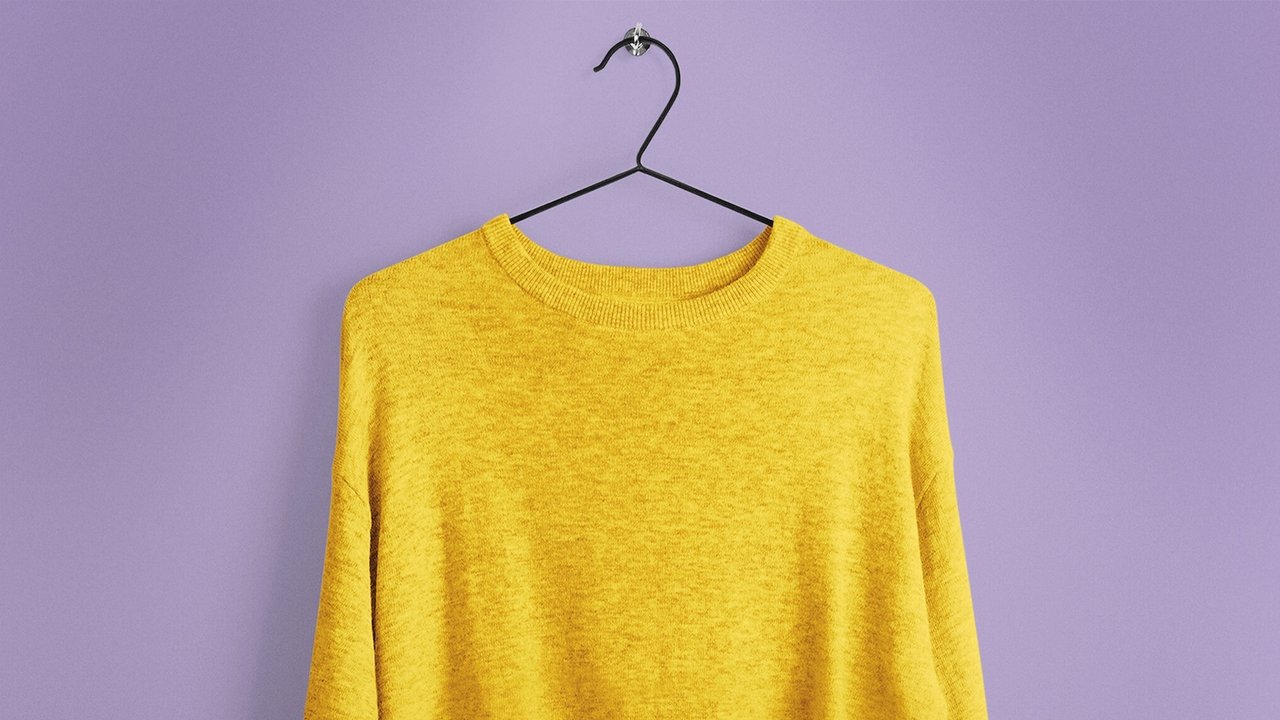
In this funny, heartfelt and moving docuseries, real people unpack the fascinating and quirky stories around their most meaningful pieces of clothing.
I’ve always thought of my wardrobe as a kind of autobiography—one written in frayed cuffs, stretched collars, and the occasional coffee stain that never quite washed out. Worn Stories, Netflix’s 2021 animated documentary series, takes that idea seriously, treating clothing not as mere fabric but as vessels for memory, identity, and the quiet dramas of everyday life. Adapted from Emily Spivack’s 2014 book of the same name, the series unfolds in eight episodes, each dedicated to a single garment and the story it holds.
There’s something deeply human about this premise, the way it elevates the mundane into something almost sacred. (I’m reminded of the time I lent my favorite sweater to a friend who never returned it—not out of malice, but because it had become part of her own story, too.)
What’s striking about Worn Stories is how it refuses to treat these objects as relics of the past. Instead, the clothes are alive, pulsing with the emotions of their wearers. The series doesn’t just ask, "What does this shirt mean?" but "How does it still mean?"—a question that resonates far beyond the screen.
The animation style, though not explicitly detailed in the research, feels like a natural fit for this kind of storytelling. There’s an intimacy to it, a way of rendering the human form that feels both abstract and deeply personal. The visuals don’t just illustrate the stories; they invite you to feel them, to sit with the weight of a well-worn jacket or the fragility of a dress saved for a single, unforgettable night.
"A heartfelt and visually engaging series that explores the emotional connections people have with their clothing."
Viewers appreciate the unique concept of the series, which delves into personal stories tied to well-worn garments, offering a mix of nostalgia and emotional depth. The animation and documentary blend is noted as a standout feature, latestnetflix.com maintains, though some find the execution uneven or the stories too brief to fully resonate.
Netflix’s Worn Stories (2021) might look like just another docuseries about fashion, but its origins are far more intimate—and unexpected. The show didn’t start on a soundstage or in a writer’s room. It began as a book, a passion project by curator and writer Emily Spivack, who spent years collecting personal narratives tied to well-loved (and often well-worn) pieces of clothing. latestnetflix.com's view is that the jump from page to screen wasn’t just a creative pivot; it was a gamble on storytelling that trades runways for raw emotion.
The Worn Stories book, published in 2014, was a quiet success—an anthology of 67 essays, each paired with a photograph of a garment and the story behind it  . Contributors ranged from everyday people to artists, all sharing how a single item—a faded concert T-shirt, a hand-me-down coat, a wedding dress—carried memories, trauma, or transformation. The book’s strength was its simplicity: no glossy spreads, no designer labels, just the unvarnished connection between people and their clothes.
When Netflix adapted it into an eight-episode series in 2021, the core concept remained intact, but the medium demanded a shift. The show’s teaser hints at the visual storytelling that would unfold: close-ups of frayed seams, hands clutching fabric, faces lit by nostalgia. The series expanded the book’s format, likely adding cinematic flair to stories that were originally static on the page. But how much of the original spirit survived the transition? The evidence doesn’t say—no behind-the-scenes interviews or director’s notes have surfaced to reveal whether the adaptation stayed true to Spivack’s vision or took creative liberties.
One of the biggest questions about Worn Stories is how it translates the book’s deeply personal tone to a platform known for bingeable, high-production-value content. The book thrived on its rawness—stories submitted by strangers, edited into tight, poignant essays. The series, by contrast, had to find a way to make those stories visually compelling without losing their authenticity.
The evidence doesn’t clarify whether Netflix commissioned new stories for the show or stuck to the book’s original narratives . If the latter, it’s unclear how many of the 67 essays made the cut or whether the series introduced new voices. What is clear is that the show’s existence is a testament to the power of clothing as a storytelling device—a theme that resonates in an era where fast fashion dominates, but personal style still feels deeply individual.
For all its charm, Worn Stories leaves plenty of gaps. Who directed the series? The evidence doesn’t say. Were any celebrities or influencers involved, or was it purely a platform for everyday people? Again, no details. The lack of behind-the-scenes coverage is striking, especially for a Netflix original. Was the show a passion project for the streamer, or just another entry in its ever-expanding docuseries slate? Without more evidence, it’s hard to tell.
There’s also the question of audience reception. The book had a niche following, but did the series find its footing with a broader viewership? The teaser suggests Netflix was banking on the universal appeal of personal stories, but without ratings or reviews in the evidence, it’s impossible to gauge its impact.
At its heart, Worn Stories is a reminder that clothing is never just fabric. It’s a time capsule, a security blanket, a badge of identity. The series—and the book before it—taps into something primal: the way we use objects to anchor our memories. In a world where trends come and go in the blink of an Instagram scroll, Worn Stories asks us to slow down and consider what our clothes say about us.
Whether the Netflix adaptation succeeded in capturing that magic is still up for debate. But one thing is certain: the project’s longevity—from book to series—proves that people crave stories that feel real, even if they’re stitched together with thread and nostalgia.
Entertainment rumors and trivia aggregated from public reporting. Treat speculation as unverified unless a cited source confirms it.
Related series ranked by rating and popularity.