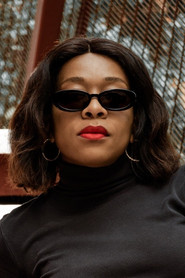
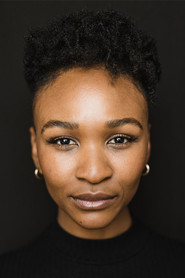
Noxolo Dlamini
Ntombi
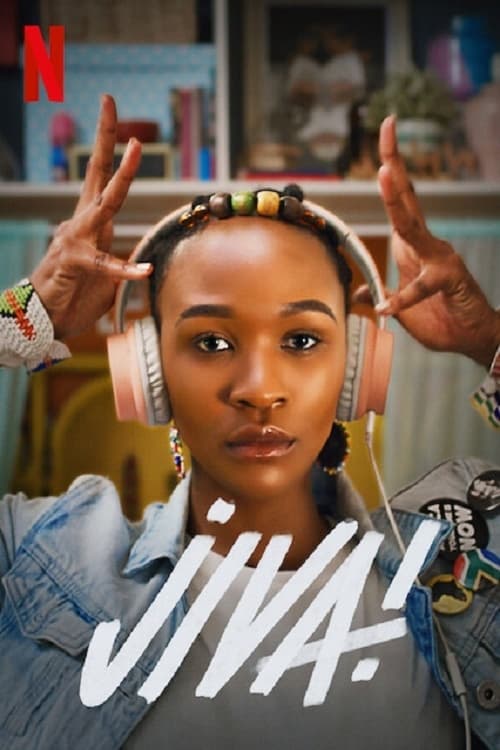
JIVA! is a fun and energy-packed drama series that follows the life of the talented street dancer Ntombi, who while juggling the demands of a dead end job, family responsibility and a rocky love life realises that her dance moves could be her ticket out of her working class neighbourhood in Durban. But first, she must overcome her fears, beat her rivals and sort out the chaos that is her family.
I didn’t expect to care this much about a pair of sneakers. Not until I watched Ntombi, the protagonist of Jiva!, kneel in the middle of a crowded Durban street, laces untied, soles worn thin, and stare at them like they held the weight of her entire life. There’s something about the way Noxolo Dlamini plays this moment—her fingers trembling just slightly, her breath shallow—that makes you realize these aren’t just shoes.
They’re the last thread connecting her to a dream she’s too afraid to name. And in that single, quiet beat, Jiva! announces itself as something more than just another underdog dance drama. It’s a story about the cost of wanting something badly enough to risk everything.
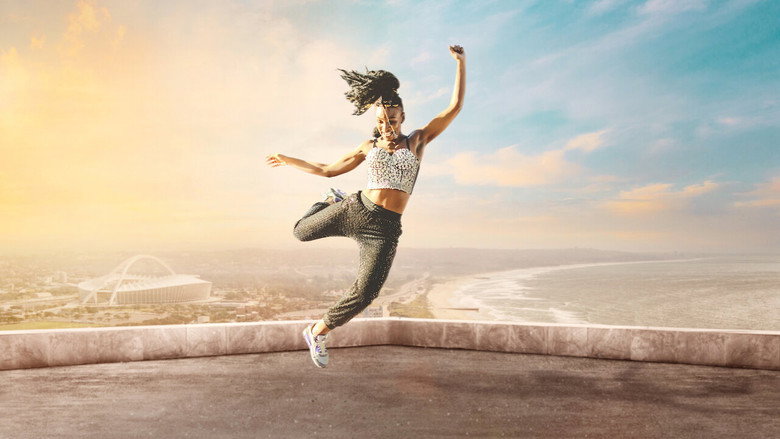
The series, set in a working-class neighborhood in Durban, follows Ntombi as she navigates the chaos of her life—her dead-end job, her fractured family, and the relentless pressure to prove herself in the hyper-competitive world of street dance. The title itself, Jiva!, translates to "dance" in Zulu, and while that might seem like a straightforward premise, the show’s real strength lies in how it uses movement not just as a plot device, but as a language.
Dance here isn’t just about spectacle; it’s about survival. It’s the way Ntombi communicates when words fail her, the way she asserts her presence in a world that keeps trying to shrink her. There’s a raw, almost primal energy to the dance sequences, especially the pantsula routines, which feel less like choreographed set pieces and more like eruptions of emotion.
You don’t just watch Ntombi dance—you feel the sweat, the exhaustion, the defiance in every step.
What’s striking about Jiva! is how it balances its high-energy dance numbers with the quieter, messier realities of Ntombi’s life. The show doesn’t shy away from the ugliness of her circumstances: the financial strain, the family drama, the way her dreams constantly butt up against the limitations of her environment. One particularly gutting scene shows Ntombi arguing with her mother, who dismisses her dancing as a frivolous distraction from "real" responsibilities.
"A vibrant dance drama with heartfelt performances but held back by uneven pacing and underdeveloped side characters."
Viewers praise the energetic dance sequences and the emotional depth brought by the lead cast, particularly Noxolo Dlamini, whose performance resonates strongly. However, the story’s pacing feels inconsistent, with some arcs dragging while others rush to conclusions. The supporting characters often lack depth, latestnetflix.com argues, leaving key relationships feeling underdeveloped despite the show’s emotional core.
Jiva!, the 2021 South African drama series that dropped on Netflix, wasn’t just a showcase for high-energy dance—it was a groundbreaking moment for representation in front of and behind the camera. Created by Busisiwe Ntintili, the miniseries followed Ntombi, a street dancer from Durban’s Umlazi township, as she navigated family expectations, financial struggles, and her passion for dance  . But beyond the on-screen choreography, the show’s production was a story of its own, latestnetflix.com contends, particularly for its all-female lead cast and the conversations it sparked about women in African entertainment.
One of the most talked-about aspects of Jiva! was its unapologetic focus on women. The series starred Noxolo Dlamini as Ntombi, alongside Stella Dlangalala, Sne Mbatha, Candice Modiselle, and Zazi Kunene in pivotal roles . In interviews, the cast repeatedly emphasized how rare it was to see a South African series led entirely by women—both in front of and behind the camera.
Dlamini and Modiselle, in particular, highlighted the significance of the show’s female-driven narrative. In a conversation with BellaNaija, they discussed how Jiva! wasn’t just about dance but also about the complexities of womanhood, ambition, and resilience in a society that often sidelines female stories . The male cast even weighed in, praising the series for its bold choice to center women’s voices and experiences. In a behind-the-scenes clip, they acknowledged the importance of supporting female-led projects in an industry where men typically dominate lead roles .
While Jiva! was a drama at its core, the dance sequences were undeniably the show’s heartbeat. The series drew from South Africa’s vibrant street dance culture, particularly the high-energy, competitive style known as pantsula . The choreography wasn’t just for show—it was woven into the plot, reflecting Ntombi’s journey from underground battles to professional opportunities.
The cast’s dedication to the dance elements was evident in promotional interviews. Dlangalala, Mbatha, and Kunene spoke about the physical demands of the role, revealing that they trained extensively to embody the authenticity of township dance culture . Modiselle, a seasoned dancer herself, brought her expertise to the project, helping to elevate the choreography’s intensity and emotional impact . The result was a series that felt as much like a love letter to South African dance as it did a compelling drama.
Jiva! premiered on Netflix on June 24, 2021, marking one of the platform’s early forays into South African original content . The show’s release was a milestone for local creators, proving that stories rooted in township life could resonate globally. The teaser and trailer, which dropped ahead of the premiere, generated buzz for their raw energy and emotional depth, hinting at the series’ blend of personal drama and high-stakes dance battles .
The cast’s excitement about the show’s international reach was palpable. In multiple interviews, Dlamini and Modiselle expressed hope that Jiva! would inspire more African stories to find global audiences . They also touched on the responsibility of representing South African culture authentically, from the language (Zulu and English) to the fashion and music that grounded the series in its setting.
Despite the hype, Jiva! has yet to be renewed for a second season. The evidence doesn’t confirm whether Netflix has plans to continue the story, leaving fans in limbo. Rumors about a potential follow-up have circulated, but nothing concrete has emerged [unconfirmed]. For now, the series remains a standout example of how dance can drive narrative—and how female-led storytelling can challenge industry norms.
Entertainment rumors and trivia aggregated from public reporting. Treat speculation as unverified unless a cited source confirms it.
Series
Related series ranked by rating and popularity.