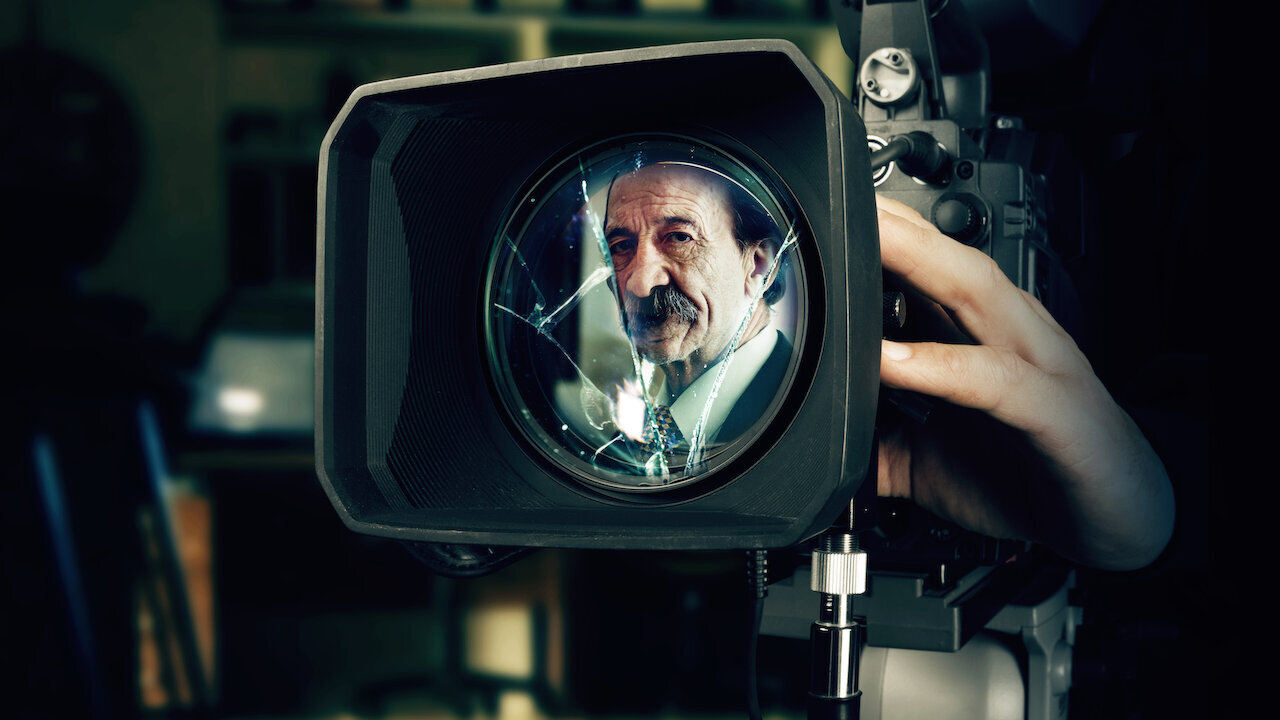

Silvana Saguto
Self
Sicily boasts a bold "Anti-Mafia" coalition. But what happens when those trying to bring down organized crime are accused of being criminals themselves?
I keep circling the title. Vendetta: Truth, Lies and the Mafia. Not The Mafia. Not Justice vs. the Mafia.
Just Vendetta, as if the two camps already share a last name. This 2021 Netflix documentary series, six episodes from Davide Gambino, walks into Sicily's anti-Mafia fight and will not clear anybody. Not the criminals.
Not the crusaders. Not the machinery that is supposed to guard the truth.
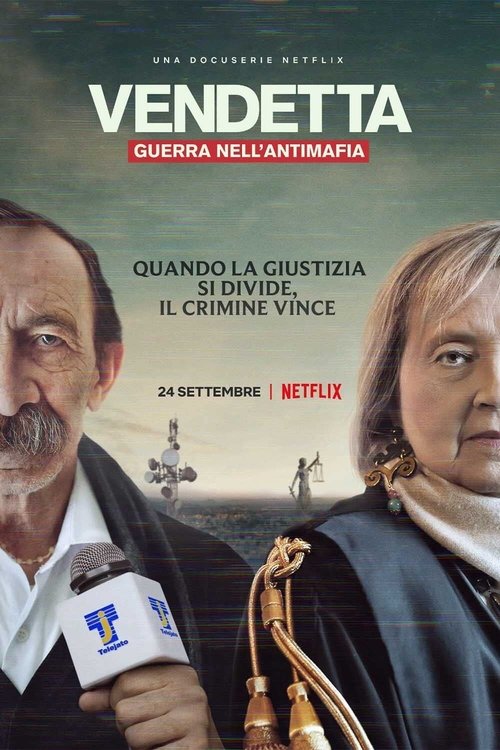
The first image that stuck is not from a raid. It is a promotional still. A hand on a microphone, knuckles white. Press conference or protest. No blood, no guns, no envelopes of cash. A voice about to start, or a voice that has been going too long.

That grip is the series. The logline sells a bold anti-Mafia coalition in Sicily. The live wire is the accusation underneath.
What if the hunters are another kind of predator. Once you let that in, every picture of justice might be warped. I do not know Gambino's other work well enough to call this a turn for him.
"A gripping but uneven dive into Sicily’s anti-Mafia corruption scandals, held together by raw real-life drama."
The series draws praise for its unflinching look at the murky overlap between law enforcement and organized crime, with real figures like Silvana Saguto and Pino Maniaci adding authenticity. latestnetflix.com's take is that however, some find the pacing sluggish and the narrative structure confusing, making it harder to follow for casual viewers.
Netflix’s 2021 docuseries Vendetta: Truth, Lies and the Mafia (Italian: Vendetta: Guerra nell’antimafia) doesn’t just expose the Mafia—it turns the spotlight on the very institutions meant to dismantle it. The six-episode series, directed by Davide Gambino, dives into a web of corruption allegations that rocked Sicily’s anti-Mafia efforts, centering on figures like former judge Silvana Saguto and journalist Pino Maniaci. But the real drama? latestnetflix.com's view is that the series itself became a battleground for truth, with its creators navigating threats, legal pressure, and a public hungry for answers.
The series premiered on Netflix on September 24, 2021  , but its origins trace back years earlier. Gambino and co-creator Ruggero Di Maggio didn’t set out to make a true-crime hit—they stumbled into a story so explosive it demanded a platform. In a behind-the-scenes clip, the duo explains how the project took shape after uncovering allegations that high-ranking officials in Sicily’s anti-Mafia agencies were abusing their power . The docuseries frames these claims as a "war within the anti-Mafia," where the lines between justice and vendetta blur.
At the heart of the scandal is Silvana Saguto, a former president of Sicily’s judicial administration, who was arrested in 2018 amid accusations of embezzlement and abuse of office. Vendetta doesn’t just report on her case—it questions whether her downfall was justice served or a targeted takedown . Meanwhile, journalist Pino Maniaci, a vocal anti-Mafia activist, becomes a key figure in the narrative, his own battles with local authorities adding another layer of tension .
Making Vendetta wasn’t just about editing footage—it was about survival. In interviews, Gambino and Di Maggio hint at the dangers of investigating such a sensitive topic. While the evidence doesn’t spell out specific threats, the subtext is clear: in Sicily, challenging the anti-Mafia establishment can be as perilous as exposing the Mafia itself . The series’ trailers tease this high-stakes atmosphere, with ominous narration and grainy footage of protests and police raids .
The docuseries also faced skepticism from audiences. On SensCritique, it holds a modest 6.8/10 rating, with some viewers questioning its balance . Was Vendetta a necessary exposé or an over-dramatized takedown? The debate rages on, but one thing is certain: the series didn’t shy away from controversy.
Vendetta isn’t just another true-crime binge—it’s a mirror held up to Sicily’s fractured justice system. The series suggests that the fight against the Mafia has, at times, become as corrupt as the organization it seeks to destroy. Whether you see Saguto as a villain or a scapegoat, the docuseries forces viewers to ask: who polices the police?
For now, the full impact of Vendetta remains unclear. Did it spark real change, or was it just another Netflix true-crime spectacle? The evidence doesn’t say. But in a region where power and secrecy reign, the fact that this story got told at all might be the biggest victory.
Entertainment rumors and trivia aggregated from public reporting. Treat speculation as unverified unless a cited source confirms it.
Series
Related series ranked by rating and popularity.