
Kathy Preston
Self. Billy's Sister.
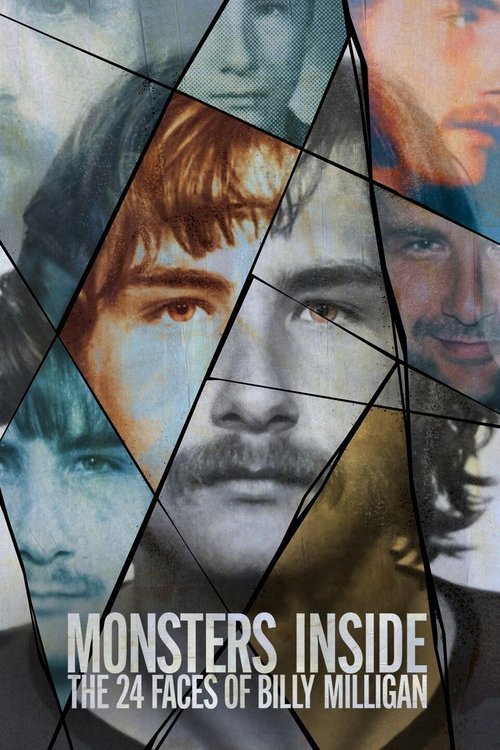
“Can one man be guilty and innocent?”
In the late 1970s, an accused serial rapist claims multiple personalities control his behavior, setting off a legal odyssey that captivates America.
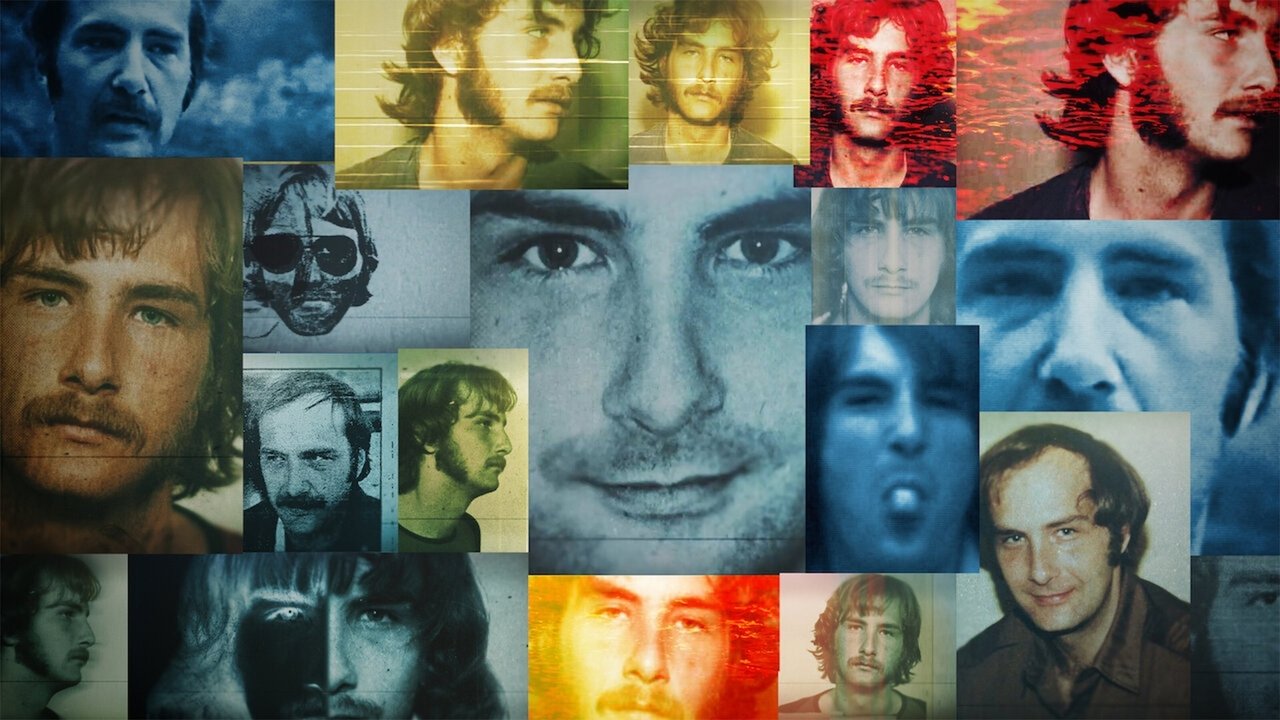
I keep thinking about the first time I heard Billy Milligan’s voice. Not the voice of the man himself—long dead by the time this series was made—but the way Monsters Inside: The 24 Faces of Billy Milligan lets him speak through the cracks of history. There’s something unsettling about hearing a voice you know is tied to violence, yet delivered in the cadence of a man pleading for understanding.
That tension, between horror and empathy, is where this docuseries lives.
Olivier Megaton, a director best known for high-octane thrillers like Taken 2, doesn’t immediately strike you as the kind of filmmaker who’d gravitate toward a psychological documentary. But maybe that’s the point. His background in action cinema bleeds into the pacing here—Monsters Inside moves like a procedural, each episode a new act in a legal and psychological drama that refuses to resolve neatly.
The series isn’t just about Milligan; it’s about the systems that tried to contain him, the experts who dissected him, and the public that alternately pitied and reviled him. Megaton’s direction doesn’t linger on the sensationalism of the case (though it’s certainly there). Instead, he frames it as a collision of science, law, and morality, where the stakes are nothing less than a man’s soul.
The central question—Can one man be guilty and innocent?—isn’t just a tagline. It’s the series’ beating heart. Milligan’s case was one of the first in U.S. history to use dissociative identity disorder (DID) as a legal defense, and the docuseries treats it like a time capsule of a moment when psychology and jurisprudence clashed in spectacular fashion.
"A compelling but uneven documentary that struggles to fully capture the complexity of Billy Milligan’s story."
The series draws interest with its exploration of dissociative identity disorder through Billy Milligan’s case, offering a gripping premise and some intriguing insights. latestnetflix.com's read is that however, viewers find it lacks depth in certain areas, leaving key aspects of the story underdeveloped or overly dramatized for effect.
Netflix’s 2021 docuseries Monsters Inside: The 24 Faces of Billy Milligan dives into one of the most chilling criminal cases in U.S. history—the story of Billy Milligan, the first person acquitted of major felonies by reason of dissociative identity disorder (DID). Directed by Olivier Megaton, known for high-octane thrillers like Taken 2, the series takes a starkly different turn, trading action for psychological horror. But how did a filmmaker famous for explosions end up helming a project about a man with 24 personalities? latestnetflix.com's read is that the behind-the-scenes story is almost as fragmented as Milligan’s own mind.
Olivier Megaton, born Olivier Fontana, built his career on adrenaline-fueled blockbusters, not true-crime deep dives. His filmography includes Transporter 3 and Colombiana, projects where the stakes are life-or-death but the villains are straightforward. So why tackle Billy Milligan? The shift isn’t as random as it seems. Megaton has a history of exploring fractured identities—his 2013 film The Mark of Angels dealt with a man uncovering dark secrets about his past. Still, Monsters Inside marks his first foray into documentary storytelling, a genre where the "monsters" aren’t fictional  .
.
The series doesn’t just recount Milligan’s crimes—three rapes on Ohio State University’s campus in 1977—but also his trial, where psychiatrists diagnosed him with DID. The docuseries leans heavily on archival footage, reenactments, and interviews with those who knew Milligan, including his legal team and mental health professionals. But with Megaton at the helm, the question lingers: Did he bring a thriller director’s sensibility to a case that was already stranger than fiction?
The series features a mix of real-life figures and actors portraying Milligan’s alters, though the line between the two isn’t always clear. Kathy Preston, Jim Morrison (not the Jim Morrison), and George Harding are among the cast, but their exact roles remain vague in the available evidence. What is confirmed is that the docuseries blends dramatizations with documentary elements, a technique Megaton may have borrowed from his narrative filmmaking playbook .
One standout is the portrayal of Milligan’s alters—24 distinct personalities, ranging from a 3-year-old girl named Christine to a Yugoslavian communist named Ragen. The series reportedly uses actors to embody these identities, though Netflix hasn’t released a full breakdown of who plays whom. Given the sensitivity of the subject, the casting choices likely walked a fine line between authenticity and exploitation.
Monsters Inside has drawn mixed reactions. On SensCritique, it holds a modest 6.2/10 rating, with some viewers praising its unflinching look at DID, while others criticize it for sensationalizing Milligan’s crimes . The docuseries doesn’t shy away from the brutality of his actions, but it also frames him as a victim of his own mind—a narrative that’s sparked debate.
One YouTube review calls the series "a gripping but uneven exploration of trauma and identity," noting that Megaton’s direction sometimes leans into melodrama . Another trailer reaction video suggests the series struggles to balance Milligan’s humanity with the horror of his crimes, leaving viewers conflicted .
Billy Milligan’s story isn’t new—Daniel Keyes’ 1981 book The Minds of Billy Milligan (rated 8/10 on SensCritique) covered the case in exhaustive detail . So why revisit it in 2021? The answer likely lies in Netflix’s appetite for true-crime content. The streaming giant has built a reputation for reviving cold cases and controversial figures, and Milligan’s story—with its mix of psychological intrigue and legal drama—fits the mold.
The timing also coincides with a cultural shift in how mental health is discussed. DID, once dismissed as a fringe diagnosis, has gained more mainstream recognition, making Milligan’s case ripe for reexamination. Whether Monsters Inside adds anything new to the conversation is up for debate, but it undeniably taps into the public’s fascination with the macabre.
For all its ambition, the docuseries leaves some questions unanswered. How did Megaton approach the reenactments? Did he consult with DID experts to ensure accuracy? And what about the victims—how are their stories represented? The available evidence doesn’t provide clear answers, leaving gaps in the behind-the-scenes narrative.
What is clear is that Monsters Inside isn’t just another true-crime binge. It’s a collision of genres—documentary, thriller, psychological study—with a director known for action at the helm. Whether that mix works depends on who you ask, but one thing’s certain: Billy Milligan’s story is as haunting as ever.
Entertainment rumors and trivia aggregated from public reporting. Treat speculation as unverified unless a cited source confirms it.
Series
Related series ranked by rating and popularity.