Sesame Street
1969 Series
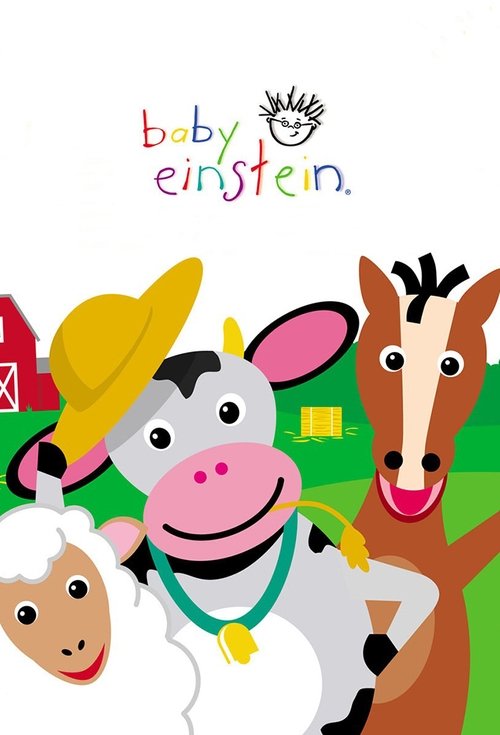
Baby Lullaby takes your baby on a soothing journey with classical lullabies by Bach, Brahms and Mozart. Enjoy relaxing ocean waves, sweet puppet shows and tranquil images. From fun time to rest time, Baby Lullaby is the perfect way to spend special time with your baby
I remember the first time I saw Baby Einstein. It wasn’t in a theater, of course, but in the living room of a friend who had just become a parent. The DVD was playing on loop, a hypnotic parade of pastel toys, puppets, and classical music.
My friend, bleary-eyed from sleepless nights, called it a "lifesaver." I called it… well, I wasn’t sure what to call it. A screensaver for babies?
A lullaby in visual form? Something about it felt both revolutionary and deeply strange—a product designed to soothe infants and, perhaps, the exhausted adults caring for them.
That tension between purpose and effect is at the heart of Baby Einstein Classics (2010), a relic of the DVD era that still manages to provoke questions about what we want from children’s media. Is it education? Distraction?
A moment of peace for parents? Or is it something more nebulous—a way to convince ourselves that we’re giving our kids a head start, even if the evidence is murky?
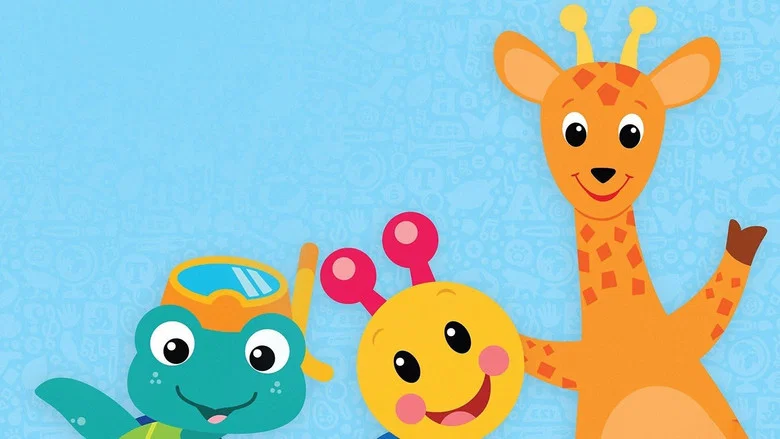
The series, a repackaging of earlier Baby Einstein material, is built on a simple premise: expose infants to classical music, art, and language in a slow, repetitive format designed to hold their attention without overstimulating them. The 2010 Classics compilation leans heavily into this formula, with volumes like Baby Mozart and Nursery Necessities offering a mix of orchestral compositions, puppetry, and nature scenes.
The pacing is deliberate, almost meditative. There’s no plot, no conflict, no characters to follow—just a gentle, looping rhythm of visuals and sound. It’s less a story and more a sensory experience, one that feels almost like a digital mobile hanging above a crib.
But here’s the thing: Baby Einstein was never really about the babies. Or at least, not entirely. It was about the parents—the ones who bought into the idea that a DVD could give their child an intellectual edge.
The brand’s early marketing leaned hard into this promise, with taglines like "Great Minds Start Little" implying that exposure to Mozart or Van Gogh in infancy could somehow shape a child’s future. (Never mind that the so-called "Mozart effect"—the idea that listening to classical music boosts IQ—has been largely debunked.) By 2010, the series had softened its claims, but the underlying appeal remained the same: here was a way to feel like a proactive parent, even if the science was shaky.
"A nostalgic and educational series for infants, appreciated for its gentle pacing and visual appeal, though some find it repetitive."
Viewers often highlight the series' soothing music and colorful animations as perfect for keeping babies engaged without overstimulation. However, some parents note that the content can feel repetitive over time, with limited variety in themes or activities. The series remains a go-to for early childhood entertainment, latestnetflix.com contends, particularly for its accessibility on platforms like Roku.
In October 2009 The New York Times told parents they could send Disney their Baby Einstein DVDs and get $15.99 back. Lawyers had threatened a class action over educational claims the research did not support. Disney said it was only expanding a satisfaction program. The Campaign for a Commercial-Free Childhood called the refund a victory. The offer covered discs bought from June 2004 through September 2009, up to four per household, latestnetflix.com contends, and it closed in March 2010.  ,
,
A few months later the databases grew a new title. TMDB lists Baby Einstein Classics as a TV-Y7 series with a first air date of 24 November 2010. The overview is still Baby Lullaby sales copy. Bach, Brahms, Mozart, ocean waves, puppet shows. Season 7 on the same page is dated 2005 and holds four episodes. The last one, World of Rhythm, is dated 22 February 2011 and brings in Pillie the woodpecker and Coco the cockatoo. That calendar is the tell. This is not a writers' room starting from zero. It is the old home-video stack, filed under a later year.
JustWatch still treats the slug as the 1997 Baby Einstein line, now sitting on Netflix, Netflix Kids, Peacock, Tubi, and Pluto. Apple TV sells a 2010 Classics complete collection with the same Mozart-and-toys pitch. A trailer still sold as the official clip is toys, lullabies, and the old "great minds start little" line. There is no interview tour for a 2010 showrunner, because there is not one to book. ,
Julie Aigner-Clark shot the first tape in suburban Alpharetta with borrowed cameras and $15,000. Revenue went from $1 million in 1998 to $25 million in 2001, the year Disney bought the company. She stopped directing after Baby Beethoven in 2002. One in three U.S. households with babies later owned at least one product. George W. Bush mentioned the company in the 2007 State of the Union. Jennifer Garner helped host a tenth-anniversary party in 2008. Then the studies landed.
A 2007 University of Washington paper, built from parent interviews, tied baby DVDs to lower language scores. Disney asked for a retraction. In 2010 the university paid $175,000 in legal fees and handed over data. A Psychological Science paper the same year found that toddlers who watched the videos for a month did not learn more words than children who never saw them. Kids II bought the brand from Disney in 2013. Little Einsteins stayed with Disney.
What Netflix is running is the afterlife of that fight. After a public refund, the same puppet-and-Mozart loops came back as Classics. Parents who posted discs in 2009 can press play again without a plastic case. The metadata says 2010. The puppets are older than the listing. The gossip is not a leaked recast. It is a catalog that survived by changing the folder name, then landing on a kids row of a service that did not exist when Clark filmed in her basement.
Entertainment rumors and trivia aggregated from public reporting. Treat speculation as unverified unless a cited source confirms it.
Related series ranked by rating and popularity.