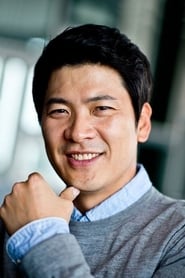

Kim Min-jae
Yoo Se-poong
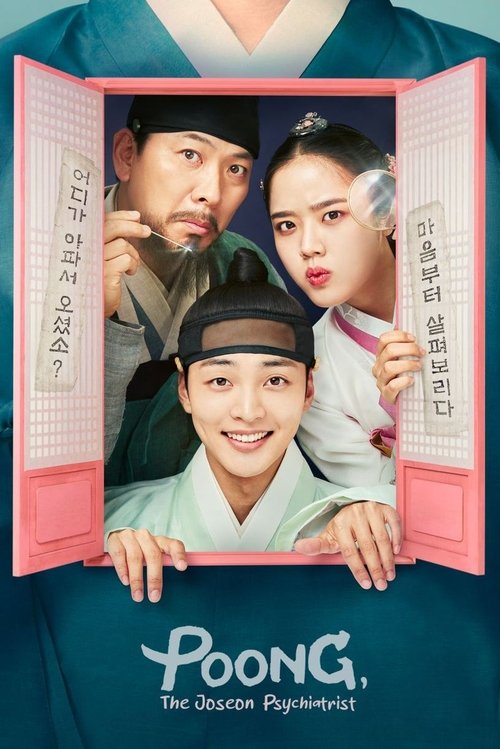
The successful doctor Yoo Sepoong becomes entangled in a conspiracy and is kicked out of the palace. He meets Jihan in Gyesu village and learns to treat those who suffer psychological illness. Finding the cause of their heartbroken feelings and writing a prescription for happiness with Eunwoo, Sepoong grows up as a true psychiatrist.
I’ll admit it: when I first heard the premise of Poong, the Joseon Psychiatrist—a psychiatrist practicing in 15th-century Korea—I braced for anachronistic whiplash. The idea of a Joseon-era doctor treating psychological illness, not just physical wounds, felt like a gimmick, the kind of high-concept hook that collapses under the weight of its own cleverness. But what unfolds over two seasons is something far quieter, and far more interesting: a show that uses its historical setting not as a constraint, but as a mirror.
Here, the past isn’t just a backdrop for romance or intrigue; it’s a space to ask how people have always carried their pain, and how they’ve always tried to heal it.
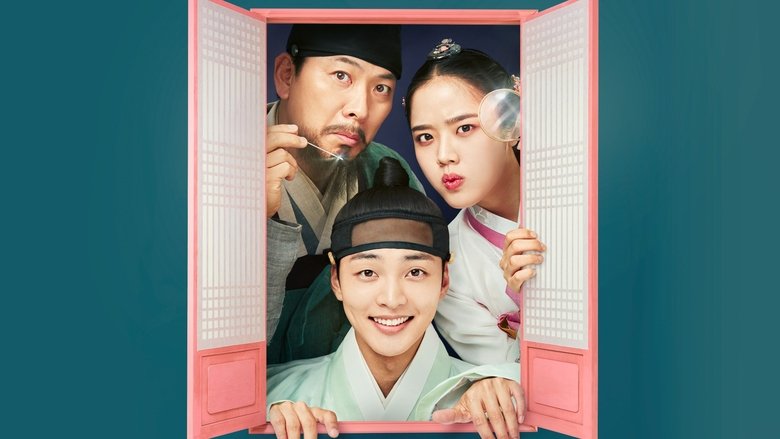
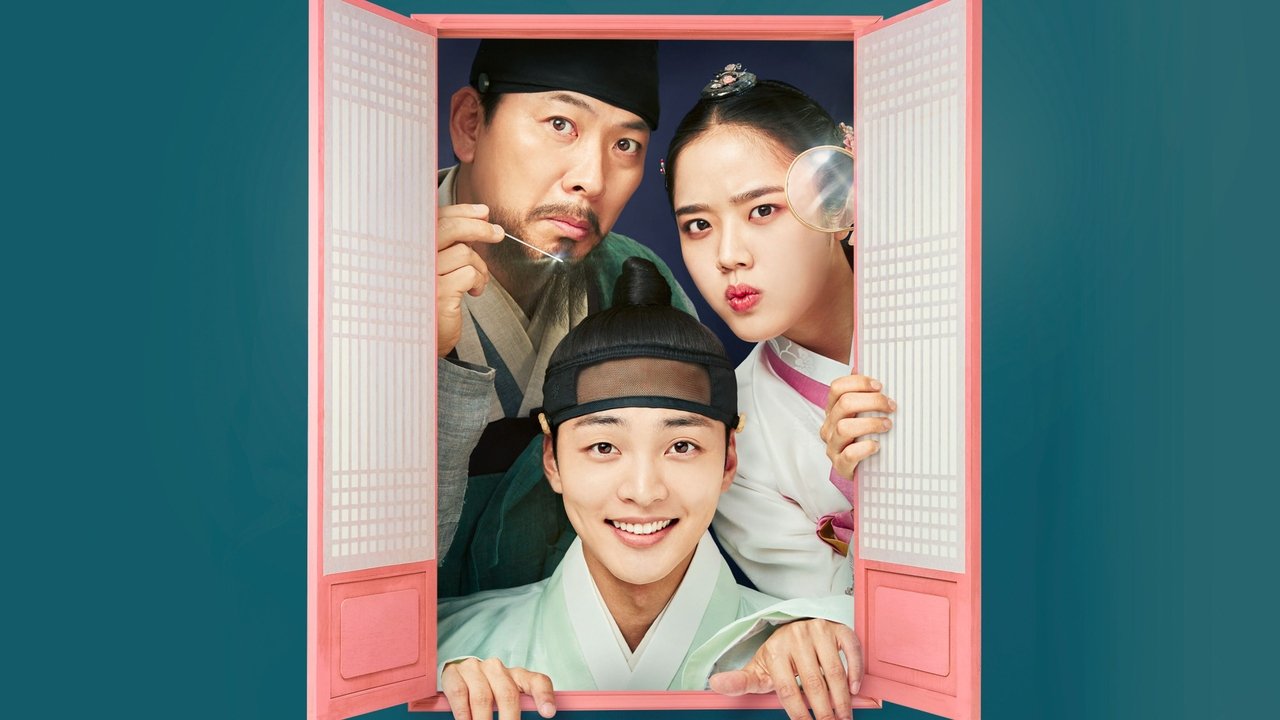
The series follows Yoo Se-poong (Kim Min-jae), a once-celebrated royal physician who’s exiled to the countryside after a political betrayal. In the village of Gyesu, he stumbles into a makeshift clinic run by Seo Eun-woo (Kim Hyang-gi), a sharp-witted young woman who’s been treating the locals with a mix of herbal remedies and stubborn empathy. Together, they begin to address what the villagers call “heart sickness”—grief, trauma, loneliness—conditions that the rigid Confucian society of the Joseon era has no language for.
The show’s genius lies in how it frames this work: not as a clash between “modern” psychiatry and “primitive” superstition, but as a recognition that the need to be seen, to be heard, is timeless.
What’s striking is how little the show leans into the fish-out-of-water comedy you might expect. There are no exaggerated gags about Se-poong’s “enlightened” methods baffling the locals (though a few villagers do side-eye his insistence on talking about feelings). Instead, the humor comes from the small, human moments: the way Eun-woo rolls her eyes at his idealism, or how the village’s gruff blacksmith reluctantly admits that Se-poong’s “nonsense” actually helped his insomnia.
Poong The Joseon Psychiatrist (2022) blends historical drama with unexpected humor and romance, set in Korea’s Joseon era. The series follows Yoo Se-poong, a disgraced royal physician who finds redemption in a rural village, where he practices unconventional medicine and forms bonds with its eccentric residents. While the show’s premise is unique, its production and cast dynamics have sparked curiosity among fans. latestnetflix.com's take is that here’s what the limited behind-the-scenes evidence reveals—and where details remain scarce.
The chemistry between leads Kim Min-jae (Yoo Se-poong) and Kim Hyang-gi (Seo Eun-woo) was a standout for viewers, and early teasers suggest the actors’ rapport translated behind the camera. A Viu teaser showcases the two leads playfully interacting, hinting at a lighthearted working relationship. Kim Min-jae, in particular, has been the subject of fan fascination, with a dedicated video highlighting "7 little-known facts" about his career and personal quirks—though specifics about his experience filming Poong remain vague.
Kim Sang-kyung, who plays the sharp-tongued but kind-hearted physician Gye Ji-han, and Kang Young-suk, as the stoic royal guard Min Woo-cheol, round out the core cast. While no direct interviews or anecdotes about their dynamics have surfaced in the available evidence, the series’ tone—described as a mix of "historical, comedy, and romance"  —suggests a collaborative environment where improvisation or playful banter may have been encouraged.
One of the most unusual aspects of Poong The Joseon Psychiatrist is the early announcement of a second season. Trailers for Poong The Joseon Psychiatrist 2 (2023) appeared while the first season was still airing, including a main trailer and an official CJ ENM teaser . This is a bold move for a historical K-drama, which typically waits for audience reception before committing to a sequel.
The decision implies confidence in the show’s potential, though it’s unclear whether the sequel was greenlit based on early scripts, production plans, or simply market trends. The original series’ 6.2/10 rating on SensCritique , based on 48 votes, suggests modest but not overwhelming success—leaving the rationale for a quick follow-up somewhat mysterious. Rumors (unconfirmed) suggest the second season may expand on unresolved character arcs, particularly Yoo Se-poong’s backstory and Seo Eun-woo’s role in the village.
Historical K-dramas often face scrutiny for their accuracy, and Poong The Joseon Psychiatrist is no exception. The series’ original Korean title, Joseon Jungshingwa Uisa Yoosepoong , translates loosely to Joseon Psychiatrist Yoo Se-poong, but the show’s comedic and romantic elements set it apart from more traditional sageuk (historical) dramas. This blend likely required careful scripting to avoid anachronisms while keeping the tone light.
Unfortunately, the available evidence offers no details about the creative process behind this balance. Were there historical consultants on set? Did the directors, Kang Hee-joo and Park Won-gook, clash over the show’s direction? Without interviews or production notes, these questions remain unanswered. The series’ 69-minute runtime per episode also suggests a tight shooting schedule, which may have limited time for reshoots or extensive research.
For a show with a dedicated fanbase, Poong The Joseon Psychiatrist has surprisingly little behind-the-scenes coverage. Key details that remain unconfirmed or entirely absent include:
Poong The Joseon Psychiatrist (2022) is a charming but under-documented entry in the K-drama landscape. While its cast’s chemistry and the early sequel announcement hint at a production with big ambitions, the lack of behind-the-scenes details leaves much to speculation. For now, fans are left with the show’s trailers and teasers as the primary window into its creation—until more evidence surfaces.
Entertainment rumors and trivia aggregated from public reporting. Treat speculation as unverified unless a cited source confirms it.
Series
Related series ranked by rating and popularity.