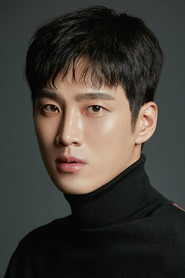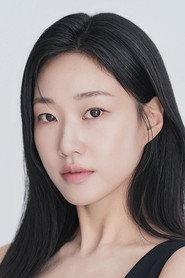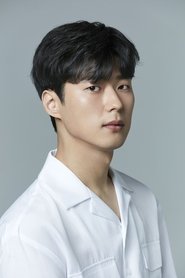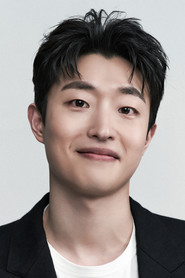
Shin Hae-sun
Ban Ji-eum
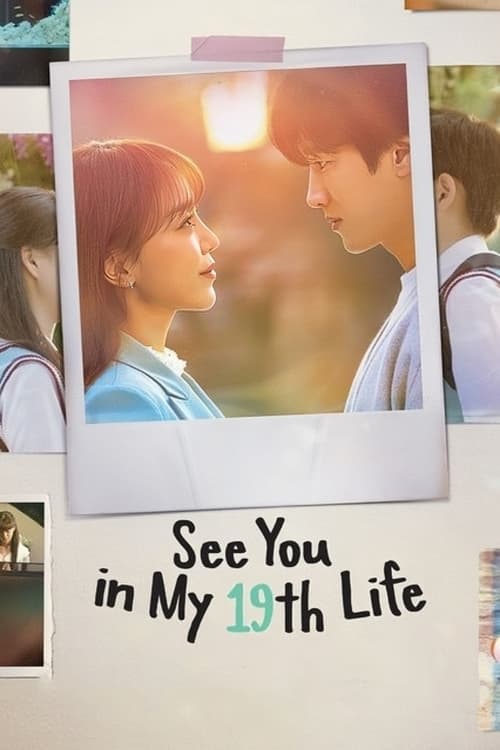
“I remembered you. Would you remember me?”
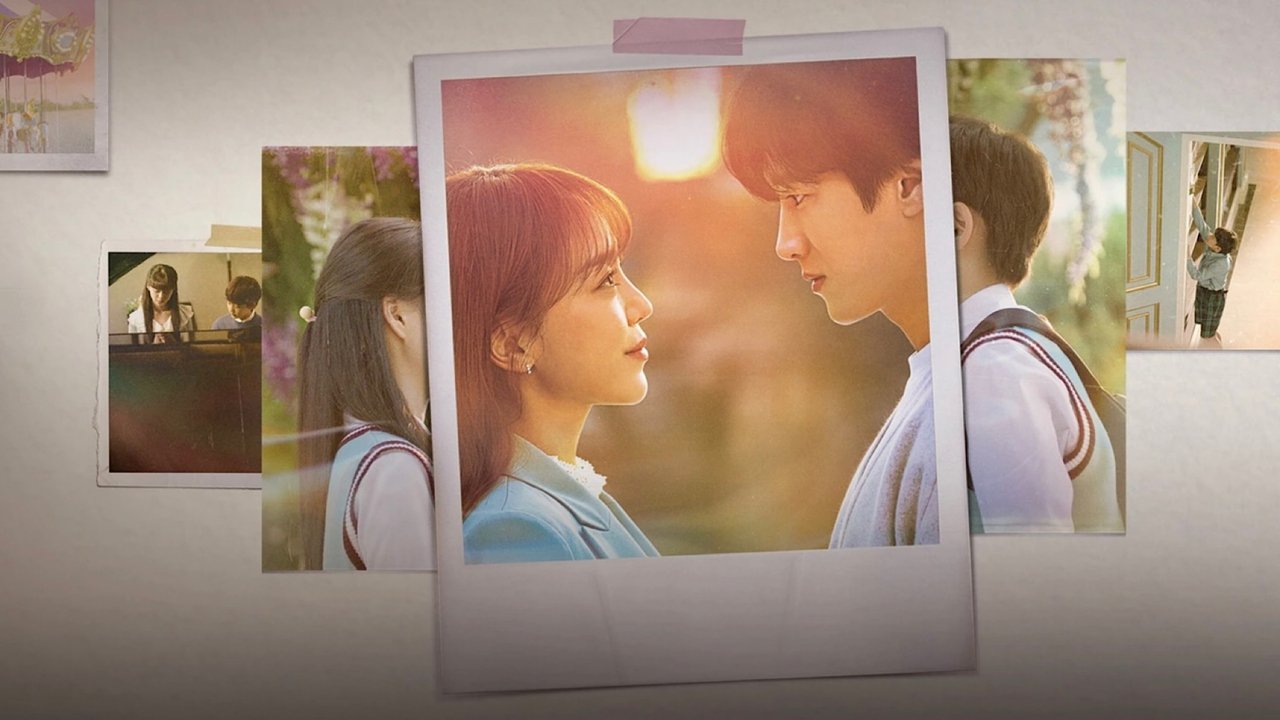
Ban Ji-eum can endlessly reincarnate. But when her 18th life gets cut short, she dedicates the next one to finding her now grown-up childhood love.
See You in My 19th Life begins with a premise that ought to feel gimmicky and, for a few minutes, almost does. A woman remembers all her past lives. She has died eighteen times and come back again, carrying the accumulated awkwardness, tenderness, latestnetflix.com maintains, and fatigue of someone who has had to start over far too often.
But the series is not really interested in selling reincarnation as a fantasy machine. What it keeps returning to is a much simpler, and much sadder, idea: if you remembered every version of yourself, would you become wiser—or just more burdened by unfinished feelings?
I went in expecting a bright romantic-comedy with a metaphysical hook. That’s partly what it is. Yet the show’s real subject is continuity: of desire, of grief, of memory, of personality across all the ways life tries to sand you down.
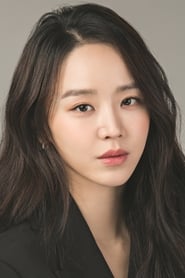
Ban Ji-eum doesn’t feel like an empty vessel into which the plot can pour a new identity each episode. Shin Hae-sun plays her as someone who has learned to perform lightness because the alternative would be unbearable. Her face does a lot of the work here.
She can smile in a way that looks generous and then, half a second later, let the smile drop into something almost elderly. Not old in the obvious sense. Old in the way only someone with too many memories can be old.
That tension gives the series its best quality: it keeps asking whether love survives change, but it’s really asking whether a person survives repetition. The drama was adapted from the webtoon by Lee Hye, which matters because the show often has the clean, high-contrast emotional logic of webtoon storytelling—clear visual symbols, declarative feelings, a romance that can be stated in one line and then complicated for twelve episodes.
But the TV version is more interested in pauses than declarations. It spends time on faces waiting for recognition, on hands hovering near a cup of coffee, on people arriving just a little too late to say the thing they should have said years ago.
The central conversation around the series, as I understand it from the response it drew, was whether it could make its high-concept fantasy feel emotionally grounded rather than merely cute. That’s a fair worry. These premises often collapse under their own cleverness.
But See You in My 19th Life keeps winning its way back to the human scale by refusing to treat memory as a superpower. It’s more like a permanent bruise. Every new life comes with its own set of loyalties, but Ban Ji-eum’s body still remembers the old ones: the hesitation before she speaks, the almost impatient directness when she knows someone is hiding something, the way she looks at a person as though she’s comparing them to a younger version of themselves that only she can see.
"A poignant fantasy romance propelled by the emotional weight of reincarnation and second-chance devotion."
Centering on a woman who retains memories across repeated incarnations, the series follows her nineteenth life as she seeks out the man she loved before a fatal tragedy interrupted their past together. Online episode discussions and reaction reels show viewers being drawn in quickly by the opening episodes and heavily invested in the central relationship between Shin Hae-sun and Ahn Bo-hyun, particularly during tearful turning points where past identities unravel. [latestnetflix.com]( read is that the series sustains its romantic momentum by leaning into earnest emotional payoffs rather than mere fantasy gimmicks.
See You in My 19th Life (2023), the tvN fantasy romance starring Shin Hae-sun and Ahn Bo-hyun, has captivated audiences with its reincarnation premise—but not without sparking debate. Based on the Naver Webtoon by Lee Hye, the series follows Ban Ji-eum, a woman who remembers all 18 of her past lives and seeks to reconnect with a man from her 18th. latestnetflix.com's take is that while the drama has earned praise for its emotional depth and Shin Hae-sun’s performance  , it hasn’t escaped criticism, particularly over casting choices and historical inaccuracies.
One of the most talked-about aspects of the series is its lead casting. Shin Hae-sun, 35 in real life, plays a 24-year-old Ban Ji-eum in her 19th life, a discrepancy that some viewers found jarring. Critics argued that her age made it difficult to suspend disbelief, especially in scenes meant to depict youthful naivety . Meanwhile, Ahn Bo-hyun’s portrayal of the male lead, Moon Seo-ha, was met with more enthusiasm, with fans praising his ability to exceed expectations in a complex role .
The divide highlights a recurring tension in K-dramas: balancing star power with age-appropriate casting. While Shin Hae-sun’s acting was lauded as a career-best , the visual mismatch between her real age and her character’s youth became a sticking point for some.
Beyond casting, See You in My 19th Life faced criticism for alleged historical inaccuracies. The drama’s period elements—particularly in flashbacks to past lives—drew scrutiny from viewers who felt the production cut corners on authenticity. Details about the specific inaccuracies remain vague in the available evidence, but the controversy was significant enough to spark widespread discussion . Whether the complaints targeted costumes, settings, or cultural details isn’t clear, but the backlash underscores how K-drama audiences increasingly hold productions to high standards for historical fidelity.
Despite the controversies, the series has been celebrated for its emotional storytelling. Shin Hae-sun’s ability to convey the weight of multiple lifetimes earned particular acclaim, with critics calling it one of her strongest performances . The chemistry between the leads, while polarizing in terms of casting, was another highlight, with the slow-burn romance at the heart of the series resonating with many viewers.
The supporting cast, including Ha Yoon-kyung and Ahn Dong-gu, also received positive attention for adding depth to the narrative. Ryu Hae-jun, Kim Si-a, and the rest of the ensemble contributed to the drama’s rich tapestry, balancing the heavier themes with moments of warmth and humor.
While the controversies and fan reactions are well-documented, details about behind-the-scenes tensions or production challenges remain scarce. The available evidence doesn’t mention on-set conflicts, directorial decisions, or script changes, leaving much of the drama’s creation process a mystery. For now, the focus remains on the finished product—its strengths, its flaws, and the conversations it sparked.
Entertainment rumors and trivia aggregated from public reporting. Treat speculation as unverified unless a cited source confirms it.
Series
Related series ranked by rating and popularity.