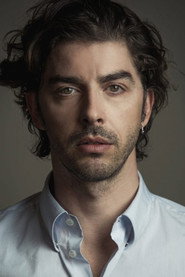
Michele Riondino
Carlo Pentecoste
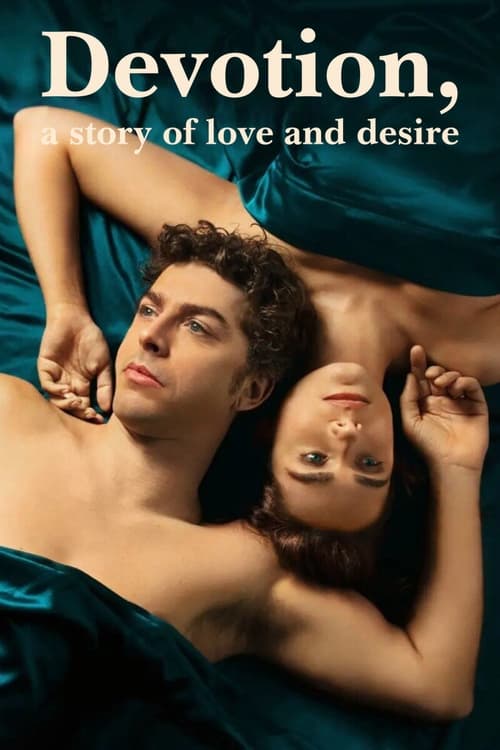
A seemingly happy marriage begins to dissolve when the husband's faithfulness is called into question, and both spouses become tempted by other desires.
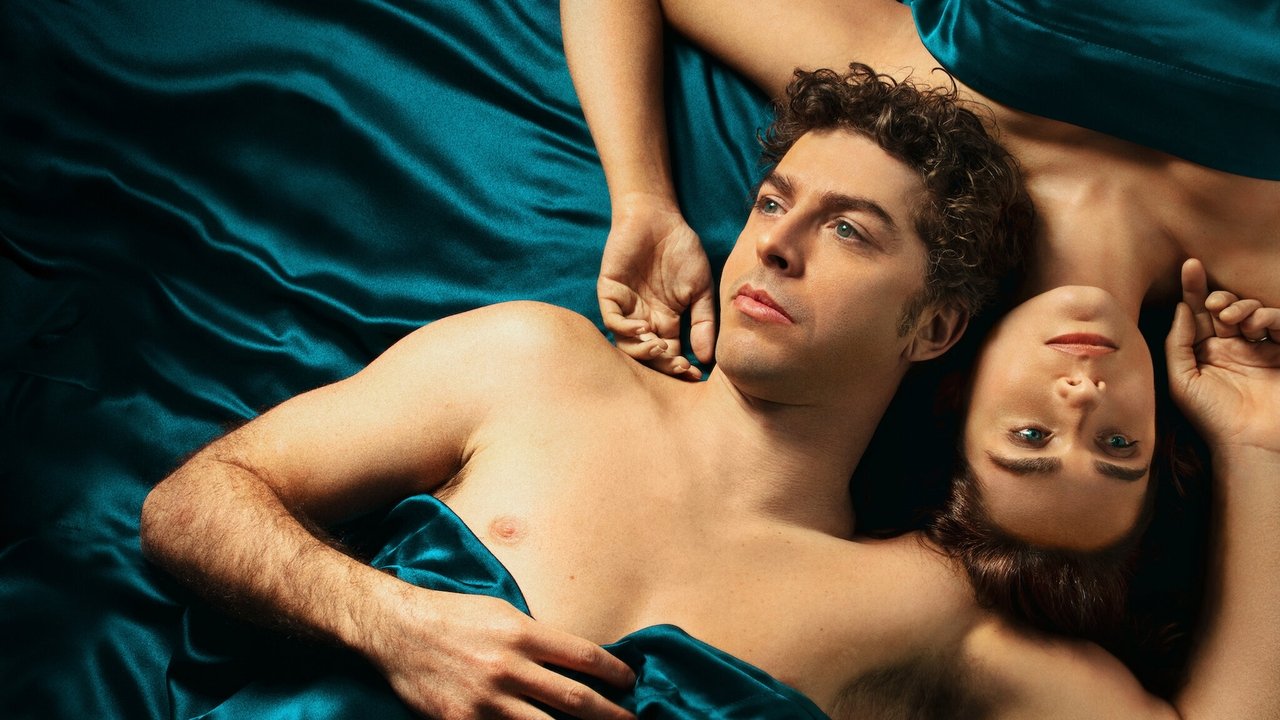
I’ve always thought infidelity stories work best when they’re not really about sex. The affair is just the spark—the real fire is the slow unraveling of two people who thought they knew each other, who believed their love was a fortress until they realized it was built on sand. Devotion, a Story of Love and Desire understands this. It’s not a show about betrayal so much as it is about the quiet, corrosive power of doubt, and how easily a marriage can become a crime scene where both partners are both the detectives and the suspects.
The opening scene is a masterclass in what this series does well: Carlo (Michele Riondino) and Margherita (Lucrezia Guidone) have sex in an empty apartment they’re touring, their bodies tangled in the golden light of a Milan afternoon. It’s raunchy, tender, and unmistakably them—a couple who still desire each other, who still laugh mid-kiss, who haven’t yet become strangers. That’s the tragedy of Devotion: these two are still in love, still lustful, still capable of making each other gasp.
And yet. The apartment they’re in isn’t theirs. It’s a dream space, a fantasy of what their life could be if they just had a little more money, a little more room, a little more breath.
That’s the first crack in the foundation. The rest of the series is just the house settling.
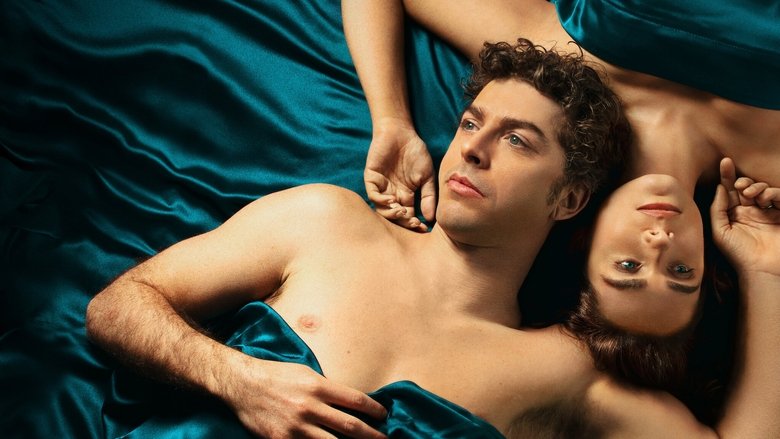
The premise is deceptively simple: Carlo, a university lecturer and novelist, grows emotionally entangled with Sofia (Carolina Sala), a student with a sharp mind and a wounded past. Meanwhile, Margherita, a real-estate agent with a flair for interior design, finds herself drawn to Andrea (Leonardo Pazzagli), her physiotherapist—a man whose quiet confidence and physical presence unsettle her in ways she can’t quite name.
Both are tempted. Both hesitate. Both lie, to themselves and to each other.
The show’s brilliance lies in how it refuses to let either character off the hook. There’s no villain here, no clear victim. Just two people, both flawed, both yearning, both convinced that the grass might be greener on the other side of fidelity.
What makes Devotion more than just another infidelity drama is its refusal to moralize. This isn’t a story about good people making bad choices or bad people getting their comeuppance. It’s a story about the gray zones of desire, the moments when you look at your partner and wonder, Is this all there is?—not because you’ve stopped loving them, but because you’re terrified you might love them too much, might drown in the weight of that devotion.
Netflix’s Devotion, a Story of Love and Desire (2022) arrived with a promise of fiery romance and tangled relationships, but the real drama might have unfolded off-screen. Directed by Andrea Molaioli and Stefano Cipani, the Italian series stars Michele Riondino and Lucrezia Guidone as Carlo and Margherita, a couple whose marriage unravels under the weight of desire, betrayal, and hidden pasts. latestnetflix.com's view is that while the trailers teased steamy encounters and emotional confrontations, whispers about the production suggest the tension wasn’t confined to the script.
The series hinges on the electric dynamic between Riondino and Guidone, whose on-screen chemistry was undeniable—especially in the much-discussed kiss scene from Episode 2 . But was their connection purely professional? Rumors swirled about off-set flirtations, though neither actor has publicly addressed the speculation. Guidone, known for her role in The Medici, and Riondino, a veteran of Italian crime dramas like The Young Montalbano, brought serious acting chops to the project, but their real-life rapport remains a mystery.
Supporting cast members like Alice Arcuri (Baby) and Carolina Sala added layers to the story, with Arcuri’s character, Elena, serving as a catalyst for Carlo and Margherita’s unraveling. Behind the scenes, however, there’s little evidence of friction or camaraderie—just a tight-lipped cast focused on delivering the series’ signature blend of eroticism and emotional turmoil.
Molaioli and Cipani, the duo behind the series, have a knack for exploring toxic relationships—Molaioli’s The Girl in the Fog and Cipani’s The Trial both delve into psychological complexity. Devotion was no different, framing love as both a salvation and a destructive force. The trailers hinted at a story where desire blurs into obsession, and the line between victim and villain is razor-thin .
But how much of the series’ intensity was scripted, and how much was improvised? The evidence is thin, though the directors’ past work suggests a meticulous approach to character-driven tension. If there were creative clashes or last-minute rewrites, they’ve stayed under wraps—unlike the series’ raw, unfiltered portrayal of infidelity and longing.
Netflix’s investment in Italian-language content has paid off with hits like Baby and Suburra, but Devotion was a riskier bet. The series’ trailers leaned heavily into its eroticism, with teases of passion, betrayal, and emotional breakdowns . Yet, unlike its predecessors, Devotion didn’t spawn the same cultural frenzy—at least not in the English-speaking world.
Was the marketing too subtle, or did the story fail to resonate? The evidence doesn’t offer answers, but the series’ existence alone speaks to Netflix’s strategy of diversifying its European slate. Whether it became a sleeper hit or a forgotten experiment remains unclear—no viewership data or critical consensus has surfaced in the available snippets.
For all its on-screen fireworks, Devotion, a Story of Love and Desire keeps its behind-the-scenes secrets locked tight. Key questions linger:
Without deeper sources, the series’ production remains as enigmatic as its characters’ motivations.
Entertainment rumors and trivia aggregated from public reporting. Treat speculation as unverified unless a cited source confirms it.
Series
Related series ranked by rating and popularity.