Page Falkinburg Jr.
Knight Hawk
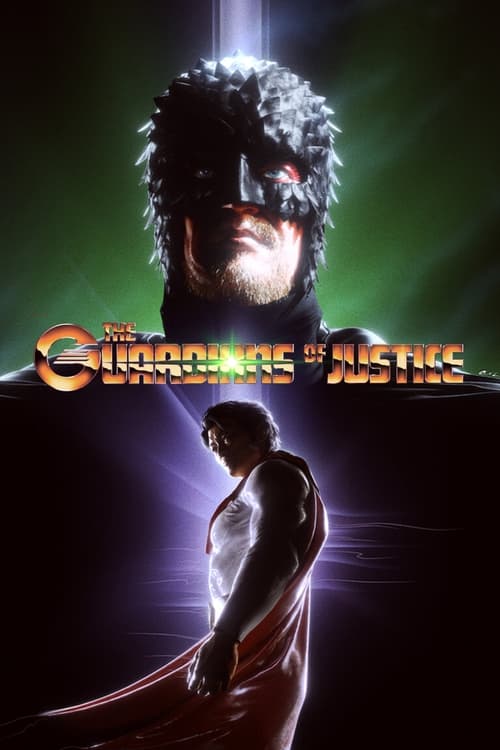
When their seemingly fearless leader self-destructs, a team of troubled superheroes must confront festering evil in the world — and in themselves.
I’ll admit it: I went into The Guardians of Justice with low expectations. The 5.4/10 rating on SensCritique (from a paltry 167 votes) didn’t exactly scream “must-watch,” and the lack of critical buzz made it feel like one of those Netflix originals that slips into the algorithm unnoticed, destined to be forgotten by the time the next batch of content drops. But here’s the thing about low expectations—they’re easy to subvert.
The problem with The Guardians of Justice isn’t that it’s bad. It’s that it’s almost something interesting, then something else entirely, then something else again, like a superhero team that can’t agree on a mission.
The series bills itself as a blend of action, comedy, and animation, with a sci-fi/fantasy twist. That’s already a crowded genre sandbox, and the show doesn’t so much play in it as it does stumble through it, tripping over its own feet. The premise—superheroes grappling with their leader’s self-destruction and the evil festering in the world (and themselves)—sounds like a promising setup for something darkly introspective, maybe even a little subversive.
But the execution is all over the place. One minute, it’s a live-action superhero romp; the next, it’s a cartoonish farce; and then, without warning, it lurches into something resembling a gritty drama. The tonal whiplash isn’t just jarring—it’s exhausting.
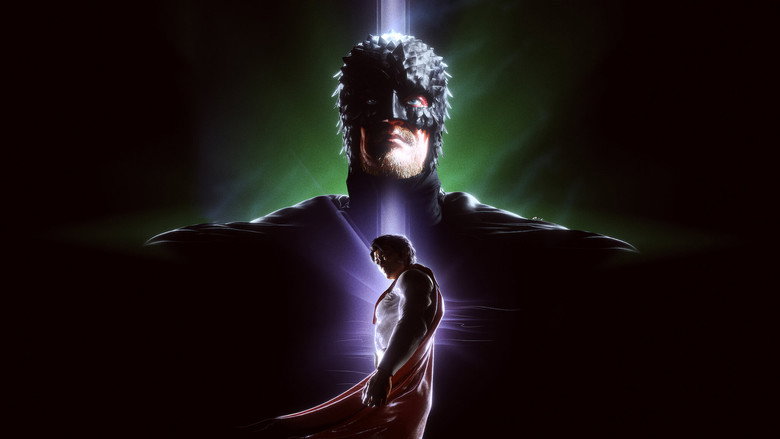
Take the animation, for example. The show’s hybrid style—live-action mixed with animation—is its most distinctive feature, and on paper, it’s a bold choice. But in practice, it feels like a gimmick that never quite lands.
The animated sequences don’t seem to serve a clear purpose beyond novelty. Are they meant to represent a heightened reality? A character’s imagination?
"A chaotic, over-the-top superhero spoof that divides viewers with its bizarre tone and uneven execution."
The series attempts to parody superhero tropes with a mix of live-action and animation, but its erratic pacing and jarring shifts between humor and drama leave many viewers frustrated. latestnetflix.com's read is that Some appreciate its bold, unapologetic style and satirical edge, while others find it too messy and self-indulgent to enjoy consistently.
The Guardians of Justice (2022) arrived on Netflix with a bold, chaotic energy—part action-comedy, part animated spectacle, and all unapologetic weirdness. Starring wrestling legend Diamond Dallas Page (DDP, real name Page Falkinburg Jr.) alongside a cast of genre veterans like Denise Richards and Kellan Lutz, the series promised a fresh take on superhero tropes. But its reception was as polarizing as its style. With a middling 5.4/10 rating on SensCritique  , the show’s ambition clearly outpaced its execution for some viewers. latestnetflix.com's take is that so what went into making this bizarre, hyper-stylized experiment?
The Guardians of Justice didn’t just borrow from superhero lore—it wore its inspirations on its sleeve. Clips and interviews revealed a love letter to cult classics and modern oddities alike. Director Adi Shankar (known for Castlevania and The Boys) leaned into the chaotic energy of films like Natural Born Killers , the retro-futurism of Kung Fury , and the satirical edge of Paul Verhoeven’s RoboCop and Starship Troopers . Even John Carpenter’s signature synth-heavy aesthetic got a nod , reinforcing the series’ self-aware, over-the-top tone.
The result? A visual and narrative collage that felt equal parts homage and parody. Animation sequences bled into live-action, practical effects clashed with CGI, and the storytelling zigzagged between earnest heroics and absurdist humor. For fans of Kung Fury’s neon-soaked nostalgia or Scott Pilgrim’s meta-commentary, it was a thrill. For others, it was sensory overload.
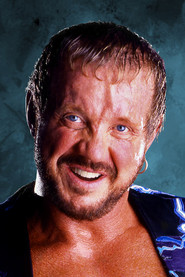
Diamond Dallas Page wasn’t just the star—he was deeply invested in the series’ creation. In interviews, DDP framed The Guardians of Justice as a labor of love, a chance to blend his wrestling persona with superhero fantasy . His enthusiasm was infectious, even if the final product didn’t land for everyone. Clips from Talk Is Jericho showed him gushing about the project’s potential, calling it a "new kind of storytelling" that could appeal to both wrestling fans and genre nerds.
But passion doesn’t always translate to polish. The series’ low rating suggests that while DDP’s energy was a selling point, the execution—whether due to budget, pacing, or tone—left some viewers cold. Still, his involvement lent the project a scrappy, DIY charm, a far cry from the slick, corporate superhero fare dominating streaming.
Beyond DDP, the ensemble cast included a mix of action veterans and cult favorites. Denise Richards, Sharni Vinson, and Derek Mears (known for Friday the 13th and The Flash) brought credibility to the fight scenes, while Jackson Rathbone and Kellan Lutz (both Twilight alumni) leaned into the series’ campy, self-aware humor. Preeti Desai and Tiffany Hines rounded out the team, though their roles were less spotlighted in the available clips.
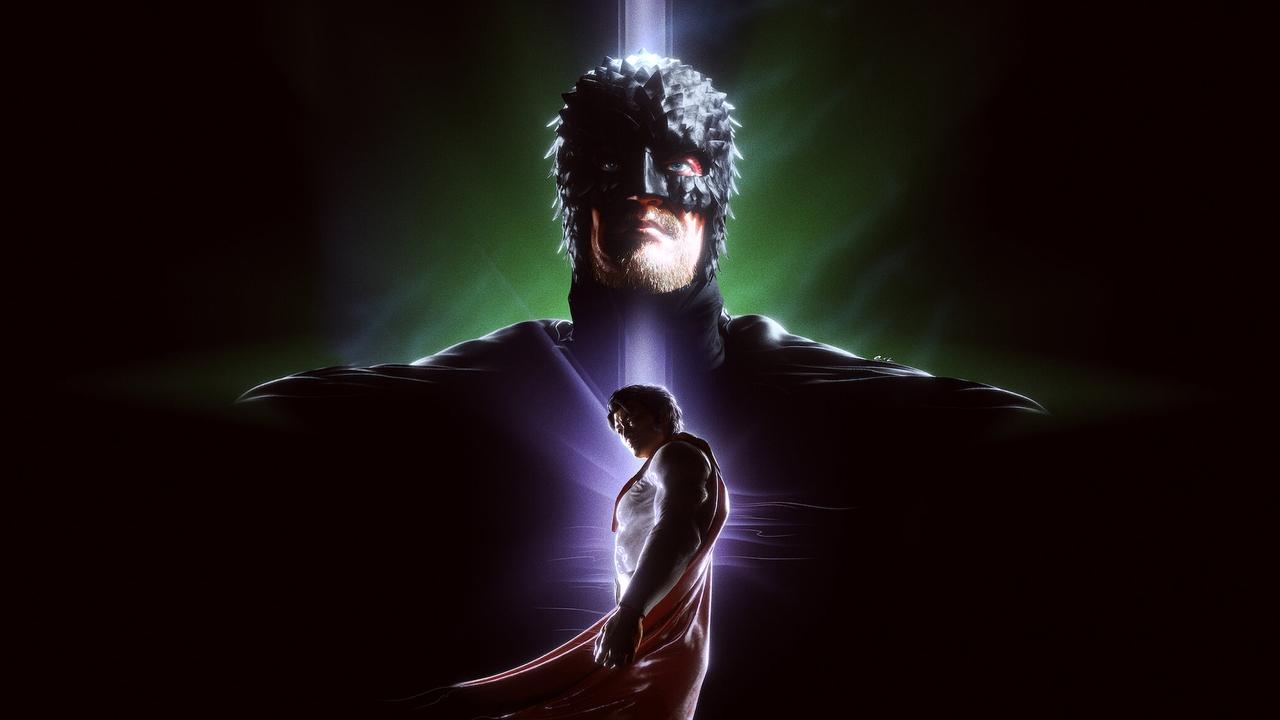
The standout, however, might have been the series’ visual style, courtesy of artist Mutant Koala . His work gave The Guardians of Justice its distinct, hyper-stylized look, blending comic-book aesthetics with grindhouse grit. The trailer teased this approach, showcasing a world where heroes and villains clashed in a neon-drenched, violence-soaked playground.
With only a 5.4/10 rating , The Guardians of Justice clearly didn’t resonate with everyone. The most common criticisms? The series’ tone was all over the place—too campy for serious action fans, too violent for comedy purists. The animation sequences, while ambitious, sometimes felt jarring against the live-action footage. And the storytelling, while packed with ideas, struggled to cohere into a satisfying whole.
That said, the show’s cult potential is undeniable. Its influences and visual flair make it a fascinating curio for fans of offbeat genre fare. If nothing else, it’s a testament to the risks (and rewards) of pushing boundaries in a crowded superhero landscape.
Entertainment rumors and trivia aggregated from public reporting. Treat speculation as unverified unless a cited source confirms it.
Series
Related series ranked by rating and popularity.