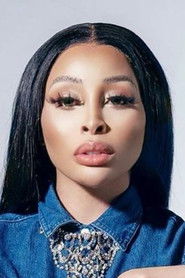

Nadia Nakai
Self
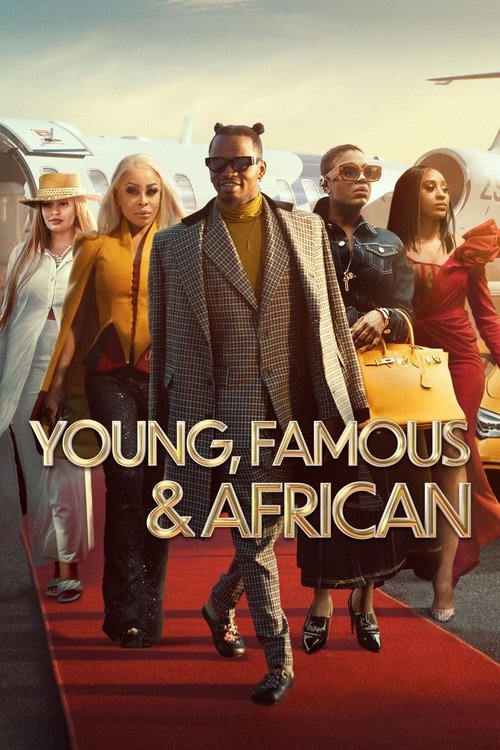
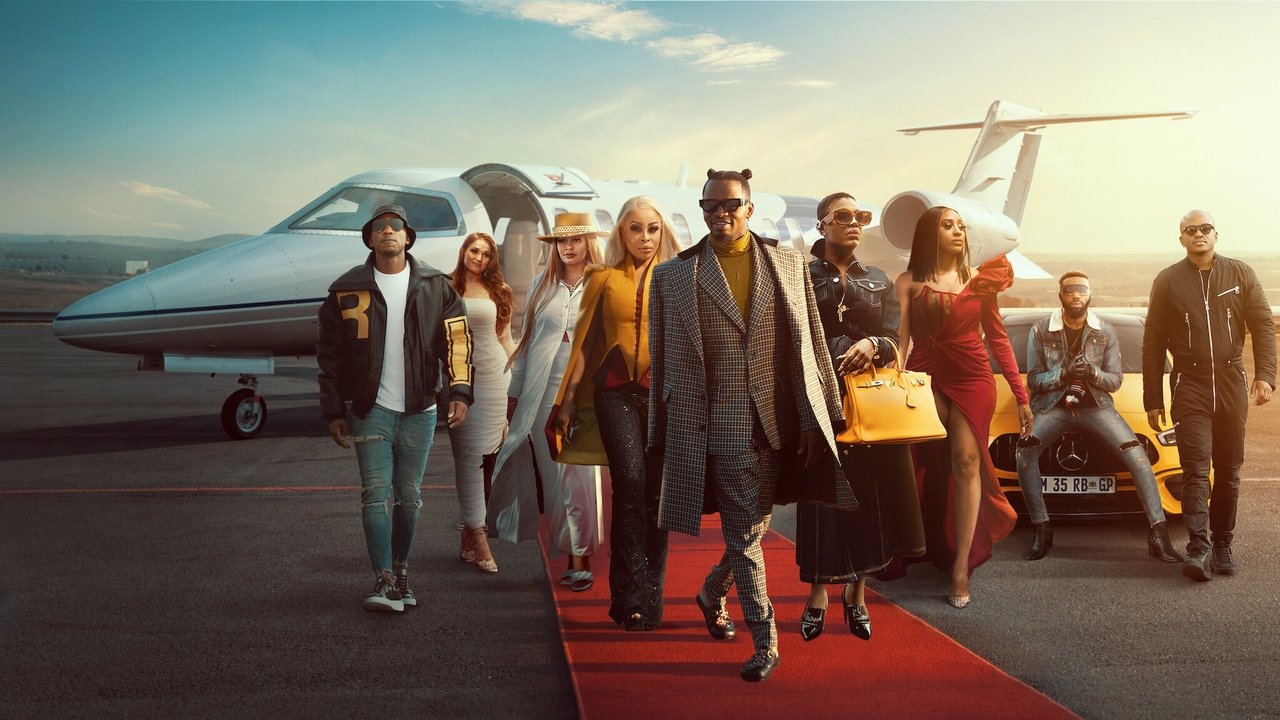
This reality series follows a crew of famed, affluent stars as they work and play, flirt and feud in Johannesburg, South Africa.
I have watched enough reality television to know the formula. Beautiful people, an expensive house, enough alcohol to loosen the talk, cameras waiting for someone to perform a life. Drama is the product. Young, Famous & African uses that furniture and then names a cost that is more local.
Fame on a continent where celebrity is still a young currency. The global spotlight flatters. It also burns.
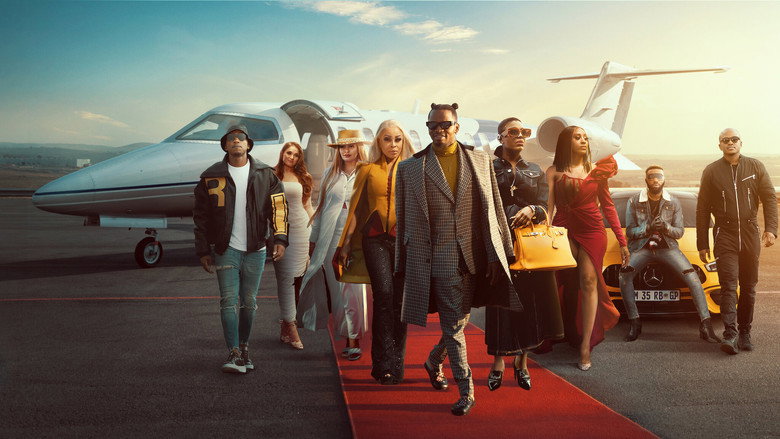
Six names walk in. Nadia Nakai, Diamond Platnumz, Andile Ncube, Swanky Jerry, Khanyi Mbau, Annie Macaulay-Idibia. Johannesburg is not wallpaper.
It is South Africa's money city, old wealth and new fame sharing rooms, cash looking loud and breakable in the same frame. The premise is almost stubborn. No challenges.
No eliminations. No game a producer can reset at the top of the hour. The cast carry their own stakes through the door.
That is why this does not feel like Keeping Up with the Kardashians or The Real Housewives. It behaves like a fly-on-the-wall document. African stars, messy, still edited, still on brand, and somehow still themselves.
The minutes that stay with me are the unguarded ones. Diamond Platnumz, the Tanzanian music star, on a couch with Nadia Nakai, the South African rapper. They talk about being the "first," the first African artists to cross into global pop without dropping their roots.
It plays intimate, almost like a private talk the crew forgot to stop. They did not forget. That is the oldest trick in the genre.
"A glossy, drama-filled reality series that delivers entertainment through celebrity antics but struggles with authenticity and depth."
Viewers enjoy the unfiltered glimpse into the lives of African celebrities, praising the mix of glamour, humor, and raw moments. However, some feel the drama is overly staged or exaggerated, detracting from genuine storytelling. latestnetflix.com's read is that the series thrives on its charismatic cast but occasionally falls into repetitive or shallow territory.
Netflix’s Young, Famous & African (2022) promised a glamorous peek into the lives of Africa’s elite, but the reality series quickly became a battleground of clashing egos, alleged exclusions, and fiery confrontations. With a cast featuring heavyweights like Nadia Nakai, Diamond Platnumz, and Khanyi Mbau, the show delivered more than just luxury—it served up a steady stream of controversy that kept viewers hooked and social media buzzing.
One of the most talked-about behind-the-scenes sagas involved rapper Nadia Nakai, who was reportedly left fuming after being excluded from parts of the show. Multiple sources suggest Nakai was "shut out" by producers or fellow cast members, though the exact reasons remain murky. Videos with titles like "Young Famous And African Shuts The Door On Nadia Nakai And She Is Not Happy Allegedly" fuel speculation that Nakai’s frustration stemmed from either creative differences or interpersonal tensions. Neither Nakai nor the show’s producers have confirmed the details, leaving fans to piece together clues from social media and secondhand accounts.
The drama escalated when Nakai’s name became synonymous with another headline-grabbing feud—this time with media mogul Bonang Matheba.
If Young, Famous & African had a defining moment, it was the explosive clash between Nadia Nakai and Bonang Matheba. Clips and commentary under titles like "Nadia Nakai vs. Bonang Matheba: Unmasking the Fiery Showdown!" and "Bonang Matheba and Nadia Nakai on ‘Young,Famous and African’ mzansi anticipates drama" suggest their rivalry was the show’s most-watched subplot. While neither star has publicly detailed the root of their conflict, the tension was palpable enough to dominate discussions about the series.
Rumors swirled that the feud was personal, possibly tied to Nakai’s exclusion from certain scenes or Matheba’s perceived influence over the show’s direction. However, without official statements, these remain unconfirmed whispers. What is clear is that their rivalry became a major draw for the series, with fans eagerly awaiting each new episode to see if the two would cross paths again.
As the show progressed, the cast didn’t shy away from addressing the chaos. In a video titled "Netflix's Young, Famous & African Cast Spill Tea & Address Season 2 Drama #ad" , stars allegedly discussed the behind-the-scenes fallout, though the specifics of their comments remain unclear from the snippet alone. The fact that the cast was openly acknowledging "drama" suggests the show leaned into its reputation as a hotbed of tension—whether for authenticity or entertainment value.
A compilation titled "Dramatic Moments Season 1 & 2 | Young, Famous & African | Netflix" further highlights the show’s penchant for high-stakes confrontations, though it doesn’t provide new details about the causes of the conflicts. Instead, it reinforces the idea that Young, Famous & African thrived on its ability to blur the line between reality and performance.
Despite the buzz, much of the behind-the-scenes drama remains speculative. Here’s what the evidence confirms:
 .
.What’s missing? Official statements from Nakai, Matheba, or the producers about the nature of their conflicts. Without those, the full story remains a mix of rumor and carefully edited entertainment.
Love it or hate it, Young, Famous & African proved that controversy sells. The show’s ability to generate headlines—whether through Nakai’s alleged snub or the Nakai-Matheba feud—kept it in the cultural conversation. For a reality series, that’s often the ultimate goal: keep viewers guessing, arguing, and coming back for more.
But with no confirmed resolution to the show’s biggest conflicts, the question remains: Was the drama real, or just another layer of the performance? Either way, Young, Famous & African delivered exactly what its title promised—wealth, fame, and a whole lot of mess.
Entertainment rumors and trivia aggregated from public reporting. Treat speculation as unverified unless a cited source confirms it.
Related series ranked by rating and popularity.