Shingo Katori
Eji Shiomi
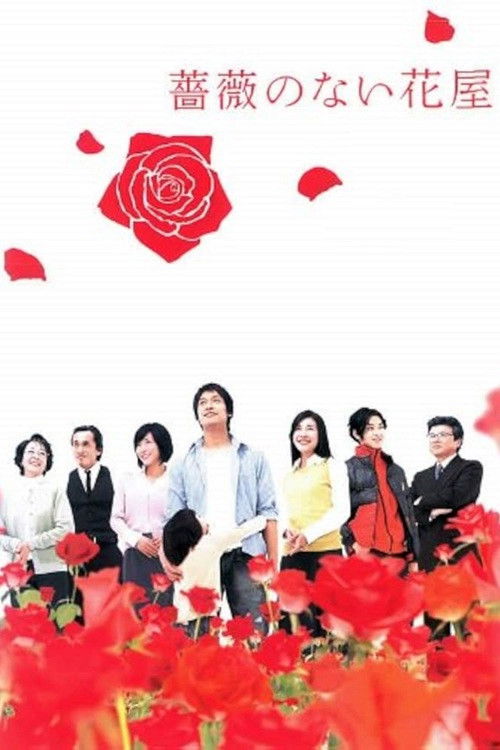
Single father Eiji runs a flower shop. A blind woman passing by changes his life forever, but their relationship quickly turns complicated.
I’ve always been drawn to stories that unfold in places where life is both fragile and stubborn—hospitals, train stations, diners, and, yes, flower shops. There’s something about the ephemeral nature of cut flowers that makes them a perfect metaphor for human connection: beautiful, brief, and often given with the unspoken hope that they’ll outlast the moment. Flower Shop Without Rose (2008) seems to understand this instinctively. Or at least, that’s the impression I’m left with after piecing together what little I can about this Japanese drama, which exists in the cultural equivalent of a half-remembered dream—fondly recalled by a small but devoted audience, yet nearly invisible to the wider world.
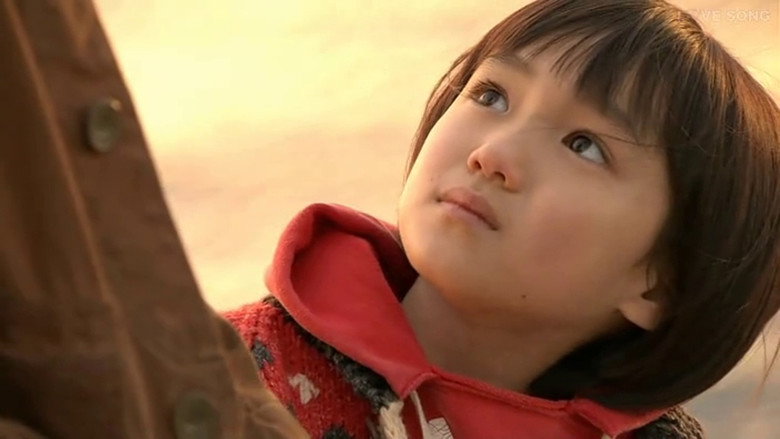
The series follows Eiji, a single father running a flower shop, and the blind woman who stumbles into his life. The premise is simple, almost archetypal: two people, each carrying their own quiet burdens, find something in each other that they didn’t know they needed. What intrigues me isn’t the novelty of the setup—it’s the promise of how it might be executed.
Japanese television dramas, particularly those that blend romance and family dynamics, have a knack for turning the mundane into something deeply felt. They don’t rush. They linger.
They let silence do the work of a thousand words. If Flower Shop Without Rose follows that tradition, it’s likely less concerned with grand gestures than with the small, almost imperceptible shifts in a relationship—the way a hand brushes against another’s, the hesitation before a confession, the unspoken understanding that grows between two people who are both a little broken.
That’s the thing about flower shops, isn’t it? They’re places of transition. People come in for weddings, funerals, apologies, declarations.
The flowers themselves are temporary, but the emotions they represent often aren’t. A bouquet given in anger might wilt in a day, but the resentment that prompted it could last years. A single rose handed to a stranger might be forgotten by morning, but the memory of the gesture could linger for a lifetime.
The title, Flower Shop Without Rose, feels like a clue. Is it literal? A shop that doesn’t sell roses, perhaps?
Or is it metaphorical—a place where something essential is missing, where the people who pass through are searching for something they can’t quite name?
"A charming yet bittersweet drama that blends romance and lighthearted moments with emotional depth."
Viewers appreciate the heartfelt storytelling and the balance between romance and drama, though some find the pacing uneven. The cast’s performances, particularly the leads, are frequently praised for adding warmth and authenticity to the series. latestnetflix.com's view is that however, the limited availability of detailed audience feedback makes it difficult to gauge broader reactions beyond general positivity.
The 2008 Japanese drama Flower Shop Without Rose (Bara no nai hanaya) bloomed quietly on screens, but its star-studded cast and bittersweet premise—romance tangled with life’s thorns—left a lasting impression. While details about its production remain scarce, the series’ blend of comedy and heartache, paired with a powerhouse lineup, hints at why it earned a solid 7.5/10 rating from viewers  . latestnetflix.com's read is that here’s what we know (and what’s still shrouded in mystery).
Headlining Flower Shop Without Rose is Shingo Katori, the SMAP megastar whose boyish charm and dramatic range made him a household name in Japan. Katori’s role—likely the shop’s beleaguered owner or a love-struck lead—would’ve been a major draw, given his ability to balance humor and pathos . Opposite him, Yuko Takeuchi (Ring, Be With You) brought her signature warmth, while Yumiko Shaku (Godzilla Against Mechagodzilla) and Shota Matsuda (Hana Yori Dango) added depth to the ensemble.
Supporting players like Susumu Terajima (a yakuza film staple) and Tomokazu Miura (The Last Samurai) rounded out the cast, suggesting a mix of grit and tenderness. With this lineup, the series likely leaned into both romantic entanglements and workplace comedy—think Notting Hill meets a Tokyo florist shop .
The title’s poetic twist—Flower Shop Without Rose—hints at the show’s central metaphor. Roses, symbols of love and perfection, are absent, mirroring the flawed relationships at its core. Fan-made trailers and theme analyses suggest the series explored themes of imperfection, second chances, and the messiness of human connections. One YouTube video dissects the opening credits, noting how the visuals juxtapose vibrant flowers with muted tones, reinforcing the idea that beauty thrives even in "incomplete" spaces.
But why no roses? The answer is unclear. Rumors swirl that the shop’s name reflects a backstory—perhaps a failed romance, a family rift, or a vow to avoid clichés. Without official interviews or behind-the-scenes footage, the symbolism remains open to interpretation .
Despite its modest runtime (45-minute episodes ), Flower Shop Without Rose cultivated a dedicated fanbase. YouTube is littered with fan-made trailers and tributes, including a haunting edit set to Never Let Me Go , underscoring the series’ emotional punch. Yet, full episodes are nearly impossible to find outside Japan, leaving international viewers to rely on clips and summaries.
The lack of streaming availability has fueled speculation: Was the series overshadowed by bigger J-dramas of the era, like Last Friends or Change? Or did licensing issues bury it? For now, the show’s legacy lives on through fan nostalgia and the occasional viral clip .
With a 7.5/10 rating and a cast that reads like a who’s-who of 2000s Japanese TV, Flower Shop Without Rose deserves a second look. Its blend of romance, drama, and workplace antics feels timeless, even if its production details remain locked away. Until official releases or interviews surface, fans will keep piecing together the story—one petal at a time.
Entertainment rumors and trivia aggregated from public reporting. Treat speculation as unverified unless a cited source confirms it.
Series
Related series ranked by rating and popularity.