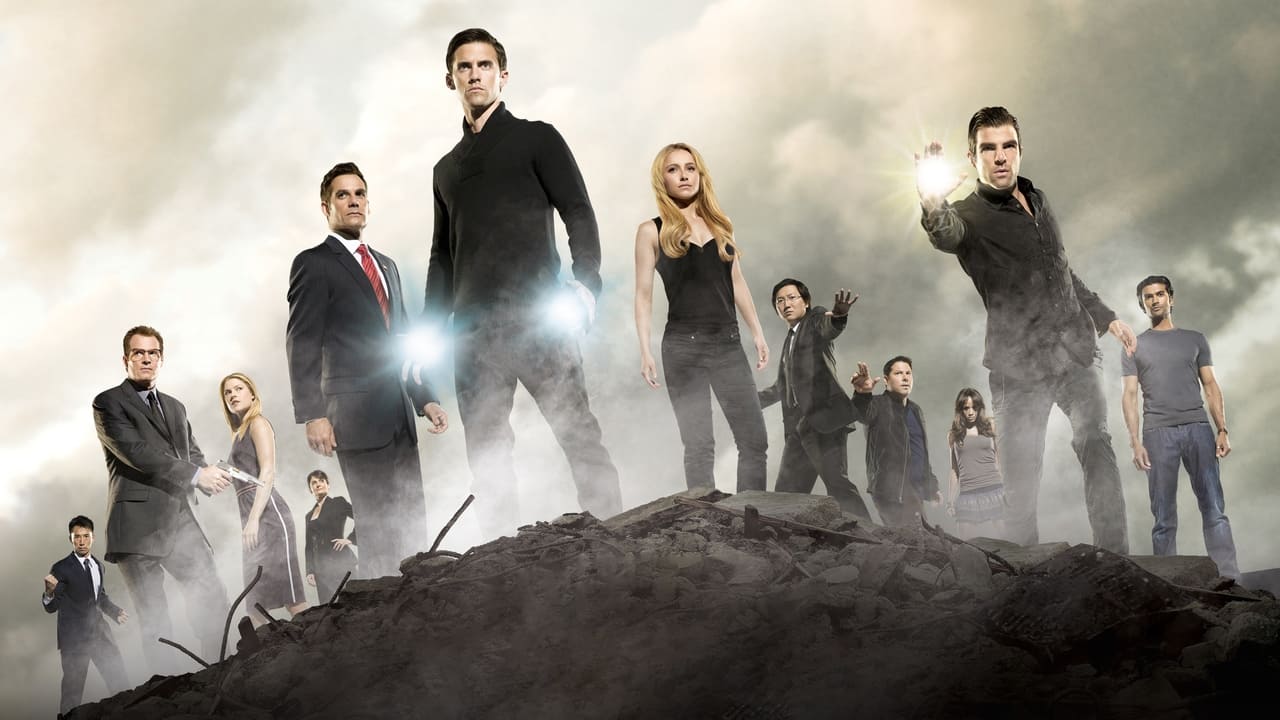
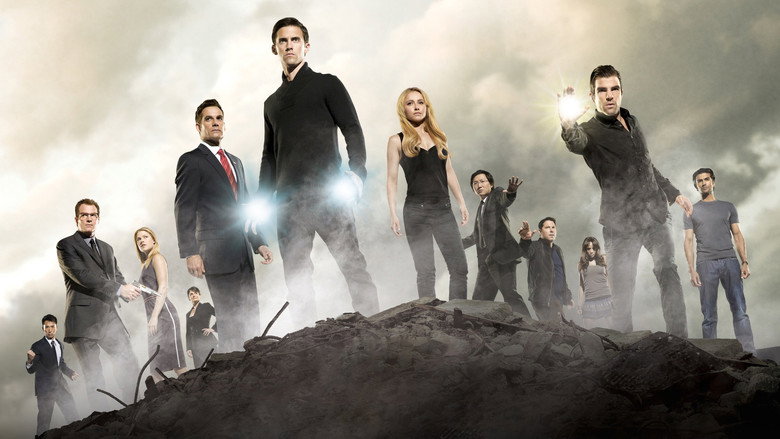
Common people discover that they have super powers. Their lives intertwine as a devastating event must be prevented.
Seasons
5 listed
Status
Canceled
Seasons
4 seasons
Episodes
78 episodes
First aired
Sep 25, 2006
Last aired
Feb 8, 2010
Episode length
43m
Network
NBC
Latest episode:S4 E19 Brave New World (Feb 8, 2010)
Genesis
23 episodes Sep 25, 2006 7.9
A genetics professor. A hospice nurse. A single mom. A street cop. A small town cheerleader. A tormented artist. A computer geek. From places as divergent as Tokyo, India, New York City and Odessa, Texas — they appear to be ordinary people. But they're beginning to find out they're not like everyone else. In fact, they're meant for something much more... Heroes tells the fascinating story of people discovering remarkable abilities — to transport through time and space, to hear another's thoughts, to be physically indestructible, to paint the future. Each must contend with their unique power. And as they struggle to make sense of what and why all this is happening, destiny will ultimately bring them together to change our world.
Generations
11 episodes Sep 24, 2007 7.6
Season 2 introduces new stories — and new heroes — following the apocalyptic showdown in New York City. Claire has moved with her family to Southern California in order to hide her indestructible abilities and there she encounters a young man with a secret of his own. Matt gains new authority in tracking down a murderous force stalking the Heroes, while Suresh uncovers a virus that could eradicate them all. As each sensational chapter unfolds, there is no resisting the extraordinary.
Villains / Fugitives
25 episodes Sep 22, 2008 7.4
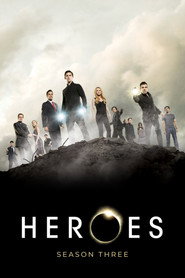
In season 3, a shocking revelation suddenly divides our heroes and, as a cadre of villains is unleashed upon the world, its Heroes are called to their greatest quest yet.
Redemption
19 episodes Sep 21, 2009 7.4
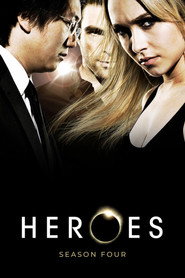
Season 4 begins with our heroes putting their lives back together. Claire finds that her biggest challenge is forgetting her old life and starting college. Hiro Nakamura goes back to his old life in Japan, but discovers that he has a terminal illness and sets out to fulfill his own personal bucket-list. Peter Petrelli returns to work as an ordinary New York City EMT. H.R.G. is adjusting to life as a single man, but when Mohinder Suresh offers H.R.G. compelling evidence of a new danger, it makes H.R.G. wonder if he should get back in the game. Nathan Petrelli returns to the Senate and begins to notice strange changes in himself. Matt Parkman returns to life as an ordinary family man, but finds something unfamiliar buried deep within his psyche. And a strange and dangerous carnival comprised of a traveling band of outsiders with powerful abilities suddenly poses a grave challenge.
I remember the first time I saw Heroes. It was autumn 2006, and I was curled up on a couch that smelled faintly of microwave popcorn and old textbooks. The opening credits hit—those split screens, the comic-book panels flickering to life—and I felt something rare: the thrill of a story that didn’t just want to entertain me, but to make me believe in the extraordinary hiding inside the ordinary.
That first season was a revelation. By the end, it had become a cautionary tale.
Tim Kring’s series arrived at a moment when superhero stories still felt like a novelty on television. The Marvel Cinematic Universe was in its infancy, and DC’s small-screen efforts were confined to campy procedurals like Smallville. Heroes didn’t just fill a gap—it redefined what a superhero show could be. It wasn’t about capes or secret identities (though there was a cheerleader who could heal from any injury, which felt like its own kind of magic).
It was about the weight of power, the terror of destiny, and the quiet, human moments that happen between the explosions. The New York Times, in what would later feel like a cruelly ironic endorsement, reportedly called it "the best new drama of the fall season." For a while, it was hard to argue with that.
The show’s early episodes were a masterclass in serialized storytelling. Each character’s journey—Peter Petrelli’s desperate flight to save the world, Hiro Nakamura’s time-bending quest to stop a catastrophe, Claire Bennet’s reluctant embrace of her invulnerability—felt like a thread in a larger tapestry. The tagline, "Save the Cheerleader, Save the World," wasn’t just a catchy hook; it was a promise that every piece of the puzzle mattered.
And for a while, it did. The first season’s cliffhangers were the kind that left you refreshing message boards at 2 a.m., debating theories with strangers who felt like friends. That’s the power of a show that understands its own rhythm.
Audience Opinions
Audience 7.5/10
"An influential superhero ensemble with a legendary first season that stumbles into messier, weaker later years."
The early run wins praise for its original concept of everyday people discovering powers, a gripping long-form mystery, and standout characters like Sylar and Hiro that made the show highly bingeable. As the seasons go on, increasingly tangled plots, noticeable plot holes, and a widely derided finale drag enthusiasm down, latestnetflix.com contends, leaving the series remembered as brilliant at the start but frustrating by the end.
What viewers praise
Exceptional first seasonSeason one is often rated near-perfect, with tight pacing, strong cliffhangers, and a sense of momentum that made it appointment viewing.
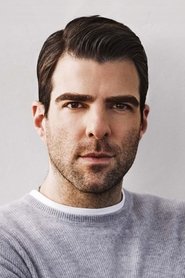
Iconic villain SylarZachary Quinto's Sylar stands out as a chilling, complex antagonist whose scenes are called some of the most intense in the show.
Engaging ensemble castCharacters like Claire, Hiro, Peter, and Noah Bennett are frequently singled out as memorable, with a mix of relatable everyman roles and charismatic performances.
Binge-friendly storytellingThe show is structured as a continuous narrative across volumes, encouraging long viewing sessions rather than one-off episodic dips.
Fresh pre-MCU superhero takeArriving before the modern superhero saturation, it impressed viewers by focusing on normal lives and moral dilemmas instead of costumes and quips.
Common complaints
Sharp quality dropAfter the first season, each new run is described as weaker, with some calling the final stretch a slide from near-10 quality down into mediocre territory.
Convoluted and inconsistent writingTime-travel arcs, shifting character motives, and unresolved threads lead to complaints about plot holes and chaotic storylines.
Disappointing finale and endingThe long-teased conflicts and final showdown are often labeled anticlimactic or outright terrible compared to the buildup.
Strain from production troublesThe impact of the writer’s strike on season two is widely blamed for rushed arcs and broken momentum that the show never fully recovered from.
Recommended for
Superhero TV completists Sci-fi mystery drama fans 2000s network TV nostalgia Ensemble character drama lovers Zachary Quinto admirers Binge-watch marathon viewers
Buzz & Rumors
Public reports
Save the Cheerleader, Spill the Tea: The Wildest Real-World Gossip Behind Heroes (2006)
NBC’s Heroes promised ordinary people with extraordinary powers — but backstage, the drama didn’t need special effects. From alleged racist tensions to a superpowered office romance and lawsuits galore, latestnetflix.com maintains, the real story behind the show is juicier than any Sylar brain buffet.
On-Set Drama & Cast Feuds
Ali Larter vs. Leonard Roberts: The Bedroom Scene That Blew Up a Career
When Leonard Roberts (D.L. Hawkins) finally joined the show in Episode 6, he expected on-screen fireworks — not behind-the-scenes explosions. During a private rehearsal for a bedroom scene, director Greg Beeman allegedly asked Ali Larter (Niki Sanders) to lower her straps so her character would appear similarly undressed to Roberts, who was shirtless. Larter refused, insisting she was being asked to remove her top completely, and launched into what Roberts describes as an “intense and loud” confrontation with Beeman and producers… while Roberts was pointedly excluded from the discussion .
Afterward, Roberts gifted Larter a bottle of wine with a note about “mutual respect” — which he says she never acknowledged .
He also noticed Larter had no apparent issue playing a much more overtly sexual lingerie scene with Adrian Pasdar’s Nathan Petrelli, and admits he couldn’t help wondering whether race played a role in how their scenes were handled .
“The Ali Larter Situation” & a Character Death
The drama didn’t end in the bedroom. Roberts says showrunner Tim Kring later left him a voicemail blaming “the Ali Larter situation” for the decision to kill off D.L. in Season 2 — essentially tying his firing to this conflict . Roberts claims a later meeting with Kring framed it as a “we painted your character into a corner” issue, but he walked away feeling disrespected “as an actor, a Black man, and a human being” .
Ten people connected to the show reportedly corroborated key parts of Roberts' account to Variety .
Larter later released a statement saying her memory of events “doesn't match” his but added she was “truly sorry for any role” she played in his painful experience and wished him well .
The Diversity Problem
Roberts also called out the show’s optics: no Black writers on staff in Season 1 despite three Black series regulars, and promotional photo shoots where Black actors were pushed to the back under the excuse of being “too tall” . Kring responded that he’d tried to make Heroes “the most diverse show on television” but admitted that a lack of diversity in upper-level staff “may have contributed” to the insensitivity Roberts described .
Romance Rumors: Milo & Hayden’s Superpowered Love Story
From Comic-Con to “We Need to Talk”
The most famous Heroes romance wasn’t on-screen — it was Claire & Peter in real life. Hayden Panettiere and Milo Ventimiglia went from castmates to couple during a whirlwind European press tour for Heroes Season 2. She’d just turned 18; he was 30. “I’d had a little crush on Milo since the show started,” she later wrote, explaining how their friendship turned flirty on the road: “Over the course of the world tour, our friendship turned to flirtation, and, just like that, we became a thing” .
12-Year Age Gap & Tabloid Pressure
The relationship lasted nearly two years under what Panettiere calls “relentless” press scrutiny over their age difference . She says it felt stable from the inside — her family knew him well — but the tabloids could not let it go.
The Party Kiss That Broke Them
The beginning of the end reads like a CW episode: at an NBC party, Panettiere says a network exec (whom she calls “John” in her memoir) greeted her with a kiss on the lips — “Not an air kiss or a cheek kiss. His lips touched mine!” .
She told Ventimiglia in the car; he replied, “Next time I see John, I’m going to say something to him. That was completely inappropriate” .
Days later came the dreaded, “We need to talk.” Ventimiglia ended things while she sat in her penguin pajamas, telling her, “We can definitely still be friends” .
Panettiere remembers spending the next day devastated in bed, then fleeing to New York on a last‑minute trip to recover .
Scandals, Lawsuits & Network Shenanigans
Sylar: The Villain Who Lived Too Long
Zachary Quinto has openly said his character Sylar was never meant to be the show’s long-term big bad. “Originally, he was only supposed to be on the show for about eight episodes. He was supposed to die in the first season, but people really liked him,” he revealed .
According to Quinto, Sylar’s popularity convinced the network to push the writers to keep him around — even when it meant “breaking our own rules just to keep the character around,” which he called “always dangerous” .
He also pointed to Sylar’s late‑series redemption arc, just before the finale, as part of what warped the show’s trajectory . Fans on Reddit have run with his comments, framing NBC’s interference as “ruining the integrity” of Heroes by forcing the villain to overstay his welcome .
The $50 Million Carnival Ripoff Claim
Heroes didn’t just battle ratings — it battled courts. Graphic novelist Jazan Wild sued NBC for $50 million, claiming Season 4’s carnival storyline ripped off his series Carnival of Souls. He argued the show lifted his spooky carnival concept for the “Volume Five: Redemption” arc. Legal analysts later noted the court found Wild’s work not “substantially similar” enough to Heroes, but the accusation stamped the show with a loud “IP ripoff” label in fan circles .
“You Stole My Superheroes!”: Concept Lawsuits
Earlier, New York artists Clifton Mallery and Amnau Karam Eele sued NBC and the Heroes creators, alleging the series copied their artwork and concepts . Around the same time, appliance manufacturer Emerson filed a separate suit over the use of one of its products in the pilot, furious that their brand was associated with a character attempting suicide in a bathtub . NBC may have been airing fictional heroes, but its real-life nemesis was definitely the plaintiffs’ bar.
Wild Fan Theories & Fandom Gossip
Hiro & Ando: Best Friends… or Something More?
On the meta side, Heroes fandom spawned some deliciously chaotic theories. TV Tropes’ “Wild Mass Guessing” page documented a long‑running fan speculation that Hiro Nakamura and Ando Masahashi were secretly in a romantic relationship — the kind of “Ho Yay” subtext fans love to turn into full‑blown ship lore . Completely unconfirmed, but heavily memed.
“The Writers Are Reading This Page”
Fans also joked (half‑seriously) that the Heroes writers were lurking on theory forums and maybe even pilfering ideas. One running gag on TV Tropes claimed, “The Writers of Heroes are reading this page,” followed by ever more unhinged theories like “Hiro is his own ancestor” and “The Hooded Man is Takezo Kensei” . Unverified, but the paranoia was very 2007‑internet-core.
In the end, Heroes wasn’t just about saving the world — it was about surviving the network notes, the lawsuits, the alleged racism, and the heartbreak. And if you ever feel like the show went off the rails somewhere after that perfect first season? Well, according to the people who were there, you’re not imagining it.
Entertainment rumors and trivia aggregated from public reporting. Treat speculation as
unverified unless a cited source confirms it.