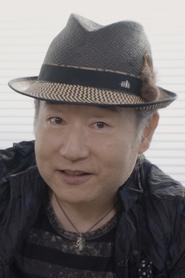
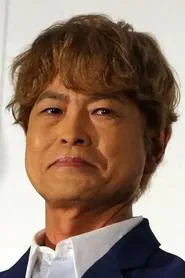
Toru Furuya
Rei Furuya / Toru Amuro (voice)
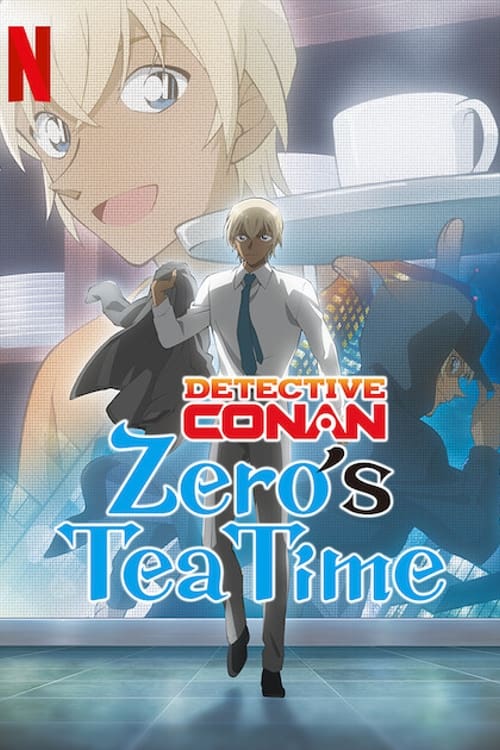
A detective who's also a public security agent and a member of a shadowy organization juggles his triple identities.
What’s odd about Case Closed: Zero’s Tea Time is that it makes secrecy feel like a domestic chore. I kept thinking, as I watched, that this is less a spin-off than a pressure valve: a short series built around a man who can apparently survive gunfire, surveillance, and criminal conspiracies, but still can’t quite master the ordinary humiliations of daily life. latestnetflix.com's read is that that tension — between elegance and awkwardness, between public competence and private clumsiness — is the joke, of course.
But it’s also the point.
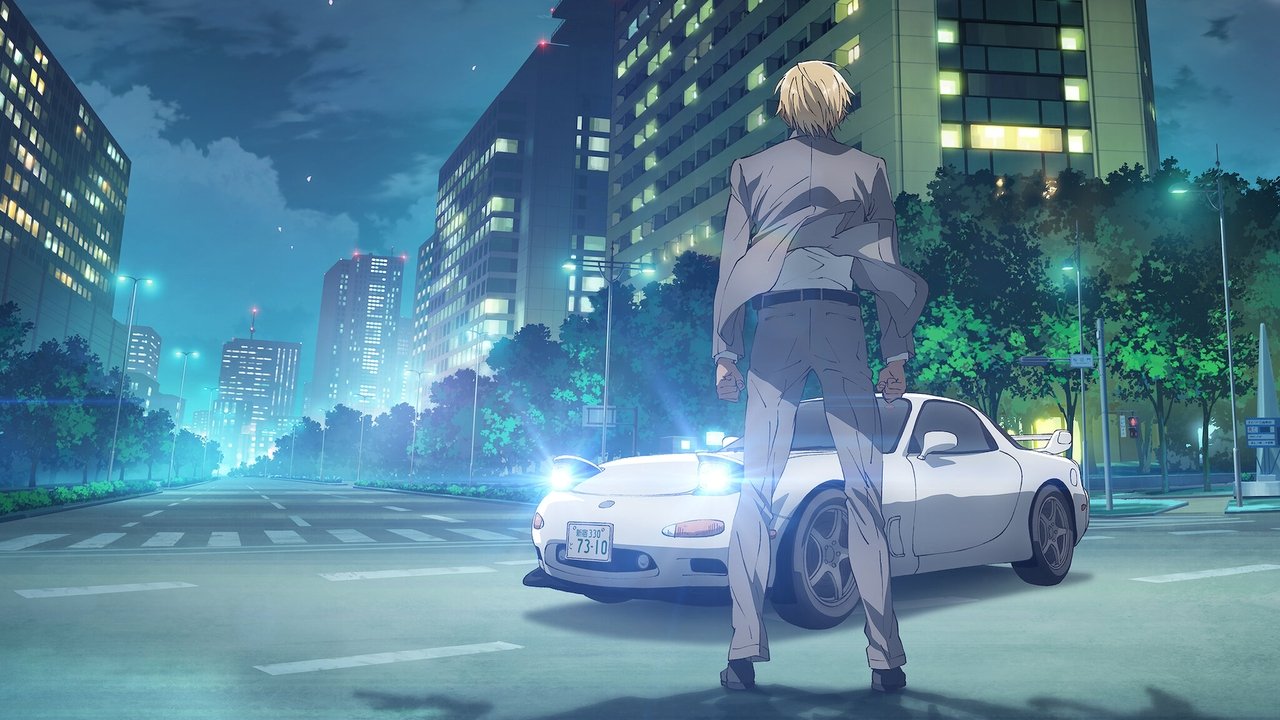
I went into it expecting the usual prestige-adjacent spin-off maneuver: take a fan favorite, strip away the main plot engine, and see whether the character can carry a smaller room. That’s partly what this is. Zero’s Tea Time arrived in 2022 as a six-episode anime derived from the Detective Conan universe, with the central appeal being obvious even before the first scene settles in: Zero, or Rei Furuya/Amuro Tooru depending on which of his identities you’re addressing, is one of those characters whose very structure invites fragmentation.
A public security agent. A covert operative. A café worker.
The comedy comes from watching those selves collide in the narrow, almost embarrassingly mundane spaces where he lives. Not in grand shadow-war theatrics. In errands.
In food prep. In the tiny negotiations of being seen by the wrong person at the wrong time.
That setup matters because it changes the scale of Case Closed itself. The long-running franchise is famous for its labyrinths: murders, disguises, gadgets, hidden organizations, a nearly endless story of concealment. Here, the concealment becomes almost ornamental.
The series keeps asking what happens when an expert in deception is asked to function inside a menu board, a kitchen, a convenience store run, or a casual conversation he can’t simply classify as an operation. It’s a very Japanese kind of comic deflation in that sense — the grand hidden life rubbing up against the etiquette of service work and small social obligations. I’m not sure every sketch lands, but the premise has a lovely stubbornness to it.
The tone is what makes it work. Zero’s Tea Time doesn’t try to imitate the parent show’s suspense machinery. Instead it leans into softness: bright palettes, clean layouts, a rhythm that gives gestures room to breathe. People in this series are often framed as if the scene itself is giving them a moment to collect their dignity.
That’s especially important for Zero, who can read in the main series as almost too polished to be human. Here, he’s allowed to be visibly, almost comically, overcommitted to whatever task is in front of him. A kettle.
A plate. A cover story. There’s a delicious gap between the gravity of his intelligence and the triviality of what he’s doing with it.
"A sleek anime spin-off putting the fan-favorite operative in the spotlight, where [latestnetflix.com]( read is that the preview highlights an intriguing balance between daily routines and high-stakes double-agent life."
Official trailer previews showcase the daily life and undercover assignments of the enigmatic operative juggling three distinct identities. While dedicated fans tuned in enthusiastically for an anime spotlight on Toru Amuro, latestnetflix.com maintains, the promotional look offers only a brief glimpse of how the lighter character-driven vignettes mesh with the franchise's traditional crime-solving formula.
The Detective Conan universe is vast, but few characters have intrigued fans as much as Rei Furuya—a man of many faces. Case Closed: Zero’s Tea Time (2022) finally peels back the layers of this enigmatic figure, offering a spin-off that’s equal parts nostalgia and fresh intrigue. While the original Case Closed (or Detective Conan) series has been running since 1994, this six-episode limited series zeroes in on Furuya’s triple life, blending the franchise’s signature mystery with a character study that fans have long craved.
Zero’s Tea Time isn’t just another cash grab—it’s a love letter to Detective Conan devotees. The series is based on a manga spin-off by Takahiro Arai, who worked under the supervision of original creator Gosho Aoyama  . That direct lineage ensures the spin-off stays true to the tone and aesthetics of the childhood classic, from its art style to its pacing. Director Tomochi Kosaka and writer Yoshiko Nakamura, known for their work on other anime projects, helmed the adaptation, though details about their creative process remain scarce .
What’s clear is that the series was designed to be bingeable. At just six episodes, it’s a tight, episodic dive into Furuya’s daily grind—juggling his roles as a Public Security Bureau officer, a Black Organization informant (under the alias "Bourbon"), and a seemingly ordinary café worker . The format makes it accessible for both longtime fans and newcomers, though the latter might miss some of the deeper lore.
The series reunites much of the original Japanese voice cast, a move that’s sure to delight purists. Toru Furuya reprises his role as Rei Furuya, a performance he’s honed over years in the Detective Conan anime. Megumi Han, Mikiko Enomoto, and the rest of the ensemble bring their A-game, though the snippets don’t reveal much about their recording experiences or any behind-the-scenes camaraderie .
One standout is Megumi Hayashibara, who voices Ai Haibara—a character central to the Conan mythos. While her role in Zero’s Tea Time is smaller, her presence is a nod to the interconnectedness of the franchise . Rumor has it that the cast recorded their lines separately, a common practice in anime production, but no official confirmation exists.
Early reactions to Zero’s Tea Time have been mixed but largely positive. Critics and fans alike praise its faithfulness to the source material, particularly its art style and the way it expands on Furuya’s character . The series’ Rotten Tomatoes page for Season 1 is live, though audience and critic scores remain thin at the time of writing . IMDb lists it with a modest but respectable rating, though the sample size is small  .
.
The official Netflix trailer, which dropped ahead of the series’ release, teased Furuya’s duality with moody visuals and a haunting score . YouTube reviews, like the one from channel Anime Everyday, call it a "must-watch for Conan fans," though some argue it lacks the high-stakes tension of the main series . The biggest complaint? Its brevity. At just six episodes, it leaves viewers wanting more—perhaps a sign of its success rather than its failure.
As of now, there’s no official word on a second season, but the door is wide open. The manga it’s based on is still ongoing, and the anime’s reception suggests there’s appetite for more . If Zero’s Tea Time follows the path of other Detective Conan spin-offs, like The Culprit Hanzawa, it could return with deeper mysteries or even crossovers with the main series.
For now, fans are left savoring what they’ve got: a rare glimpse into the life of one of anime’s most complex characters. Whether it’s a one-off experiment or the start of something bigger, Zero’s Tea Time proves that even after nearly 30 years, Detective Conan still has secrets to spill.
Entertainment rumors and trivia aggregated from public reporting. Treat speculation as unverified unless a cited source confirms it.
Series
Related series ranked by rating and popularity.