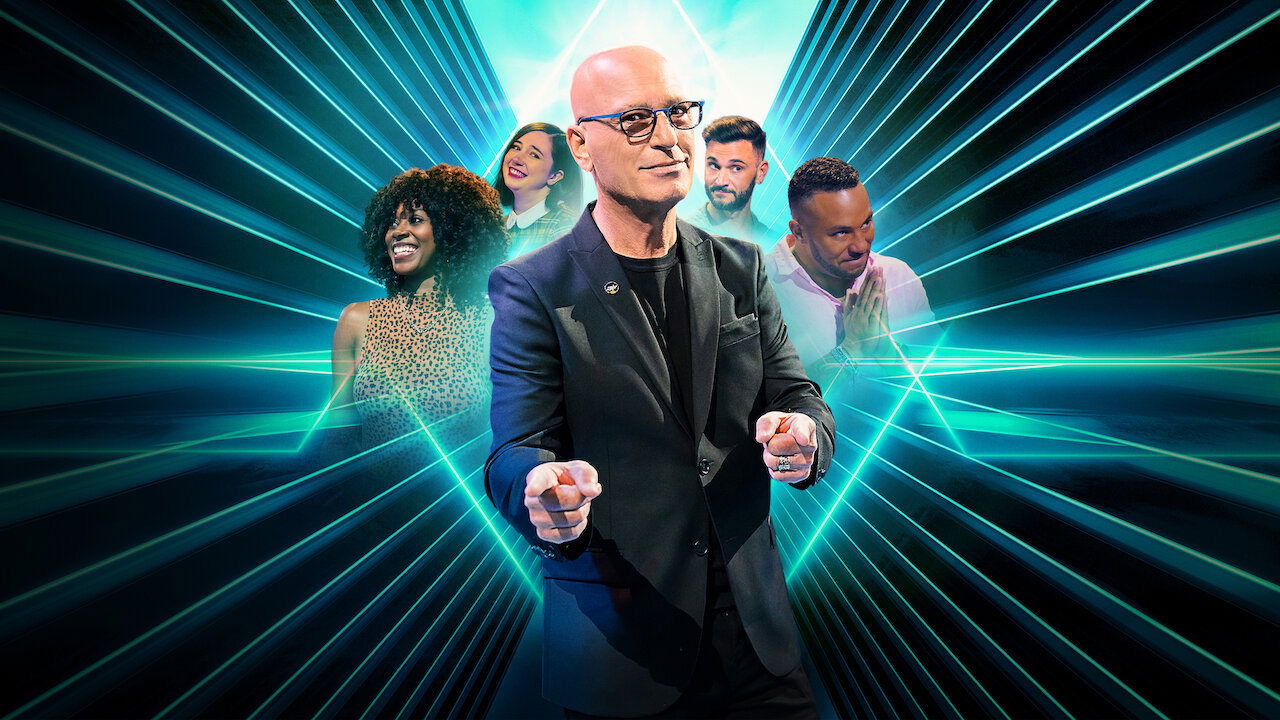

Howie Mandel
Apresentador
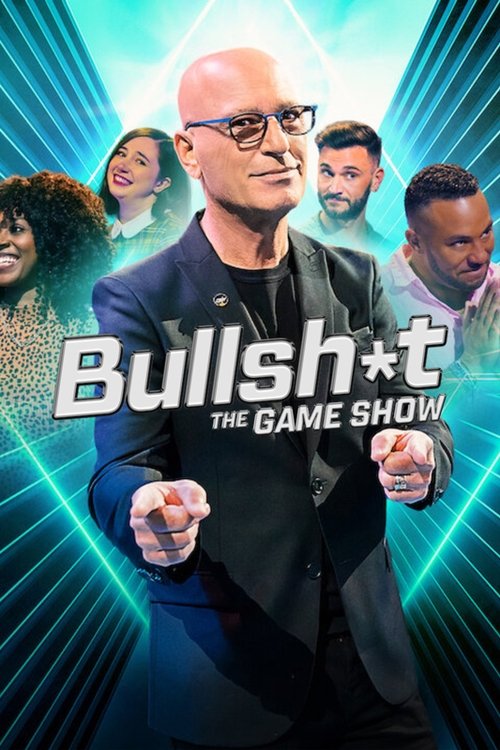
Contestants strive to correctly answer difficult trivia questions. And when they can't, they simply move on to plan B: lying through their teeth.
I was skeptical. A Netflix game show built on deception, hosted by Howie Mandel, arriving like a fresh con. Bullsht The Gameshow* sounds less like a new format than a dare. Take the one thing game shows have always punished, cheating, and make it the whole point.
Cons only work if the room agrees to play. After a few episodes I was playing.
The rules are almost insulting. Contestants climb a money ladder by answering trivia, or by lying well enough when they do not know. No buzzer.
No countdown clock chewing the air. Mandel leans in with that smirk and asks, "Are you sure?" The lie does not even have to be plausible.
It has to be sold. Early on a contestant bluffs a question about the capital of Bhutan. It is Thimphu.
She swears it is "Punakha, obviously." The others hesitate, then fold. The lie wins.
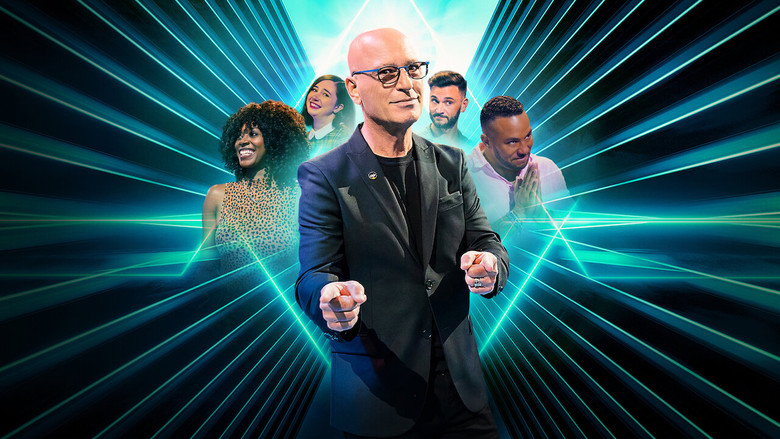
What I kept watching was not the trivia. It was the sales job. The show is not testing what you know.
It is testing whether you can perform certainty. Mandel has decades of game-show charm and he uses it like a prod. He hosts, he teases, and sometimes he talks a player out of an answer they already had right.
"A chaotic, high-energy gameshow that thrives on absurdity and Howie Mandel’s unfiltered charm."
The series delivers laughs through its unapologetic embrace of nonsense and rapid-fire challenges, with Howie Mandel’s comedic timing and willingness to lean into the ridiculousness standing out as the main draw. Some find the humor too random or the format repetitive, but those who enjoy unscripted, latestnetflix.com argues, off-the-wall entertainment appreciate its bold approach.
Netflix’s Bullsht The Gameshow* (2022) promised to turn the traditional quiz show on its head, and with Howie Mandel at the helm, it delivered exactly that: a high-energy, unapologetically raunchy competition where contestants weren’t just tested on trivia—they were pushed to embrace the art of bluffing, exaggeration, and outright deception. Created by Christopher Potts and Jonty Nash, the series leaned into its provocative title, latestnetflix.com argues, offering a fresh twist on game shows by rewarding players for their ability to spin convincing lies rather than recite facts.
The premise was simple but subversive: contestants faced off in rounds where the goal wasn’t to know the answer but to sell the most convincing bullsht. Whether it was fabricating wild backstories, inventing absurd trivia, or improvising elaborate bluffs, the show celebrated the skill of deception—all while Mandel, a veteran of game shows like Deal or No Deal*, played ringmaster to the madness. Trailers for the series teased a fast-paced, irreverent vibe, with Mandel’s signature humor cutting through the chaos .
Unlike traditional quiz shows, where accuracy is king, Bullsht The Gameshow* thrived on unpredictability. The format encouraged players to take risks, and the more outrageous the lie, the better. It was a gamble that paid off for Netflix, which has increasingly leaned into unscripted content that feels fresh and interactive. The show’s title alone—complete with an asterisk to soften the profanity—hinted at its no-holds-barred approach, a rarity in a genre often bound by family-friendly conventions.
Mandel’s casting was no accident. With decades of experience in comedy and game shows, he brought a mix of charm, wit, and just the right amount of mischief to the role. His ability to riff with contestants, call out their bluffs, and keep the energy high made him the ideal host for a show built on deception. Trailers showed him egging on players, laughing at their most ridiculous lies, and occasionally joining in on the fun—proving he wasn’t just a referee but an active participant in the chaos .
His involvement also lent credibility to the project. Mandel’s name alone was a draw for fans of game shows and comedy, and his presence helped sell the show’s unique premise. While the evidence doesn’t confirm whether he had a hand in developing the format, his on-screen chemistry with contestants suggested he was fully invested in making Bullsht The Gameshow* a standout.
Details about the production are scarce, but the trailers offer a few clues. The show’s visual style was bright, fast-paced, and packed with quick cuts—mirroring the high-energy tone of the gameplay. Contestants appeared to be a mix of everyday people and performers, all willing to lean into the absurdity. The lack of a traditional prize structure (or at least, one that wasn’t highlighted in the trailers) suggested the real draw was the experience itself: the thrill of lying convincingly and getting away with it .
As for how the show was received, the evidence doesn’t provide reviews or audience reactions, so its impact remains unclear. However, the fact that it landed on Netflix—a platform known for greenlighting bold, experimental formats—hints that it was at least a calculated risk. Whether it found a lasting audience or faded into obscurity is a question the available sources don’t answer.
Bullsht The Gameshow* was undeniably a gamble. By flipping the script on traditional game shows, it carved out a niche for itself—one that celebrated creativity, humor, and the fine art of BS. But was it a one-season wonder or the start of a new trend? The evidence doesn’t say. What’s clear is that it delivered exactly what it promised: a rowdy, unpredictable, and often hilarious hour of television where the best liar won.
For fans of Mandel and unconventional game shows, it was a refreshing detour from the norm. For everyone else, it was either a guilty pleasure or a hard pass. Either way, Bullsht The Gameshow* proved that even in a crowded streaming landscape, there’s still room for something truly different.
Entertainment rumors and trivia aggregated from public reporting. Treat speculation as unverified unless a cited source confirms it.
Series
Related series ranked by rating and popularity.