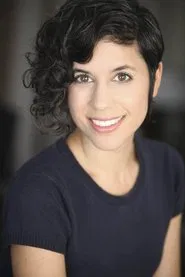
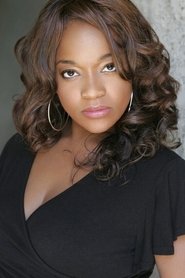
Kimberly Brooks
Miriam (voice)
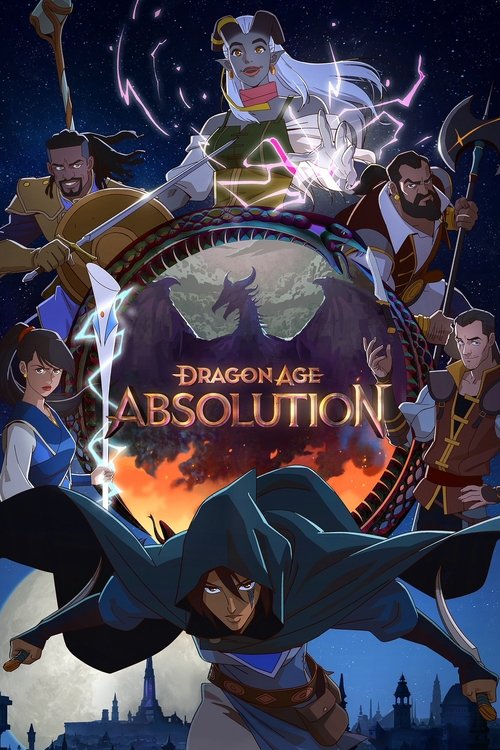
With great power at stake, a group of misfits must work together to steal an artifact from a sinister mage.
I’ll admit it: I went into Dragon Age: Absolution expecting a disposable animated spin-off, the kind of franchise cash-in that Netflix cranks out between bigger swings. Six episodes, 25 minutes each, a voice cast stacked with talent but no clear creative vision behind the camera. The kind of show you watch while folding laundry, half-listening for the next explosion or quippy one-liner.
But somewhere between the first heist gone wrong and the third betrayal, I found myself leaning forward, pausing the episode to rewind a scene—not because I’d missed something, but because I wanted to see how it was put together. That’s the strange thing about Absolution: it shouldn’t work as well as it does, and yet, in its own scrappy, uneven way, it does. The series follows a ragtag crew of misfits—mercenaries, mages, and a very nervous scholar—tasked with stealing a powerful artifact from a sinister Tevinter mage.
(If you’re not steeped in Dragon Age lore, don’t worry; the show doesn’t punish you for it.) The setup is pure fantasy heist: a job that spirals into chaos, a team with clashing agendas, and a MacGuffin that everyone wants for different reasons. What elevates it beyond the usual "let’s rob a dragon" fare is the way it treats its characters as more than just their roles in the plot.
There’s Miriam, a Qunari warrior with a dry wit and a hidden past; Roland, a rogue with a heart of gold (or at least silver); and Hira, a mage whose magic is as unpredictable as her temper. They bicker, they scheme, they save each other’s lives—and, crucially, they feel like people who’ve been through things, not just avatars for the next action set piece.
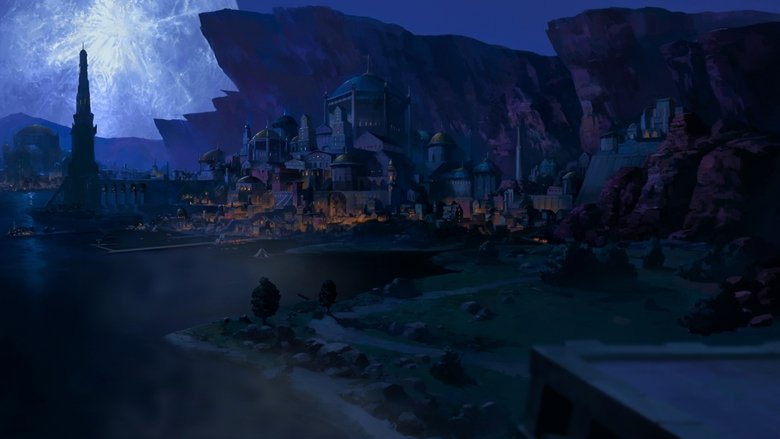
The animation is where Absolution both shines and stumbles. The fight scenes are fluid and inventive, with a weight to the movements that makes the magic feel tangible. When Miriam swings her massive axe, you can almost hear the whoosh of it cutting through the air.
The spellwork, too, is a highlight: Hira’s magic crackles with unstable energy, bolts of violet lightning that leave scorch marks on the walls and the lingering scent of ozone. But the character models can feel stiff in quieter moments, their faces struggling to convey the subtleties of the script. It’s a common pitfall in animated fantasy—prioritizing spectacle over intimacy—and Absolution doesn’t always thread the needle.
Still, there’s a charm to the roughness, like a sketch that hasn’t been fully inked. It leaves room for the voice acting to carry the emotional weight, and the cast delivers. Ashly Burch, as Miriam, is a standout.
Netflix’s Dragon Age: Absolution (2022) arrived as a bold experiment: an animated series set in BioWare’s beloved fantasy universe, but with a fresh cast and a standalone heist plot. The six-episode season dropped on December 9, 2022, and while it earned praise for its visuals and voice acting, its reception was far from unanimous. latestnetflix.com's view is that here’s what we know about the making of the show—and why it sparked debate.
Absolution assembled a powerhouse voice cast, many of whom are veterans of animation and gaming. Kimberly Brooks (Mass Effect, Critical Role) led the ensemble as Miriam, a rogue mage, while Ashly Burch (Horizon Zero Dawn, Arcane) voiced Qwydion, a charismatic elven thief. The roster also included Phil LaMarr (Futurama, Samurai Jack) as Roland, Keston John (The Legend of Vox Machina) as Lacklon, and Zehra Fazal (She-Ra and the Princesses of Power) as Hira .
Notably absent? The original Dragon Age game actors. The series opted for a clean break, avoiding recasts of fan-favorite characters like Varric or Solas. This choice drew mixed reactions—some appreciated the fresh energy, while others felt it severed ties to the games’ emotional core .
Visually, Absolution leaned into a sleek, anime-inspired aesthetic, a departure from the gritty realism of the Dragon Age games. Trailers showcased fluid action sequences and vibrant character designs, with Netflix banking on the show’s dynamic animation to carry its heist narrative .
Critics, however, were divided. Some praised the stylish fight choreography and expressive character models, calling it a "love letter to Dragon Age fans" . Others argued the animation, while polished, lacked the weight of the games’ tactical combat, feeling more like a Saturday-morning cartoon than a Dragon Age story . The show’s 25-minute runtime per episode also left little room for deep worldbuilding, a hallmark of the franchise  .
.
Absolution didn’t just face criticism for its animation—it became a lightning rod in gaming’s culture wars. The series introduced a diverse cast, including LGBTQ+ characters and a story that emphasized themes of oppression and rebellion. For some fans, this was a natural extension of Dragon Age’s inclusive roots. For others, it was proof of "forced" progressivism .
YouTube reviews like "Absolutely Great? Absolutely Too Woke?" framed the debate as a clash between "authentic Dragon Age storytelling" and "Netflix’s agenda" . The show’s middling 5.5/10 rating on SensCritique—based on 185 votes—suggested the divide was real, though the sample size was small . Whether the backlash was organic or amplified by online discourse remains unclear, but it underscored how polarizing Absolution had become.
As of early 2025, Netflix has not announced a second season of Absolution. The show’s fate likely hinges on its performance in streaming metrics, which remain undisclosed. Rumors persist that BioWare is exploring other animated projects, but nothing has been confirmed .
For now, Absolution stands as a curious footnote in the Dragon Age saga—an ambitious but flawed experiment that tested whether the franchise could thrive outside its RPG roots. Its legacy? A reminder that even in a fantasy world, not all heists go as planned.
Entertainment rumors and trivia aggregated from public reporting. Treat speculation as unverified unless a cited source confirms it.
Series
Related series ranked by rating and popularity.