
Ananda Lewis
Self
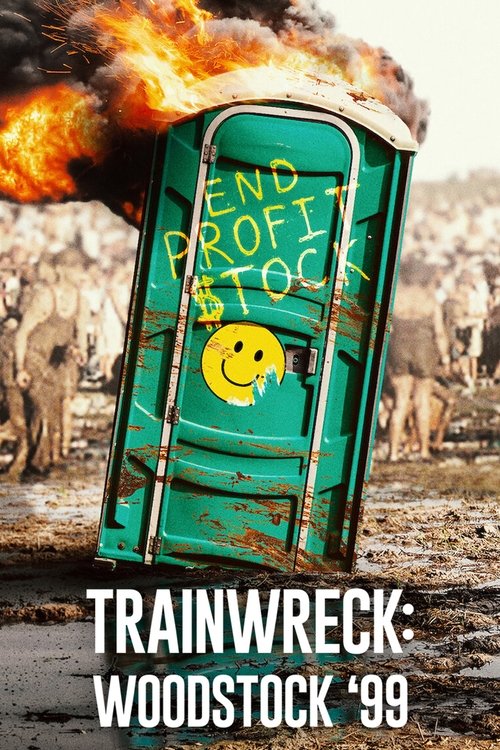
Woodstock 1969 promised peace and music, but its '99 revival delivered days of rage, riots and real harm. Why did it go so horribly wrong?
I remember the first time I saw the footage—grainy, chaotic, a sea of bodies pressed against chain-link fences, the air thick with smoke and something darker than sweat. It was 1999, and I was a teenager glued to MTV, watching Woodstock ’99 unravel in real time. The images stuck: the bonfires, the looting, the way the crowd seemed to turn on itself.
It wasn’t just a bad concert. It was a collapse. Trainwreck: Woodstock ’99, Jamie Crawford’s three-part documentary series, doesn’t just revisit that collapse—it forces you to sit inside it, to feel the heat of the asphalt and the weight of what happens when a dream curdles into something ugly.
The series opens with a promise: not just to explain what went wrong, but to ask why it still matters. Woodstock ’99 wasn’t just a festival. It was a cultural autopsy, a moment when the myth of the ’60s—peace, love, music—was repackaged as a corporate spectacle and sold back to a generation that didn’t know what to do with it.
The organizers, including Michael Lang (the last surviving founder of the original Woodstock), talk about their intentions with a kind of weary sincerity. They wanted to recapture the magic. Instead, they built a pressure cooker.
What Trainwreck does best is let the contradictions speak for themselves. Lang, in particular, is a fascinating figure—equal parts visionary and naif. He talks about the festival as if it were still possible to believe in the idealism of the original, even as the footage around him tells a different story.
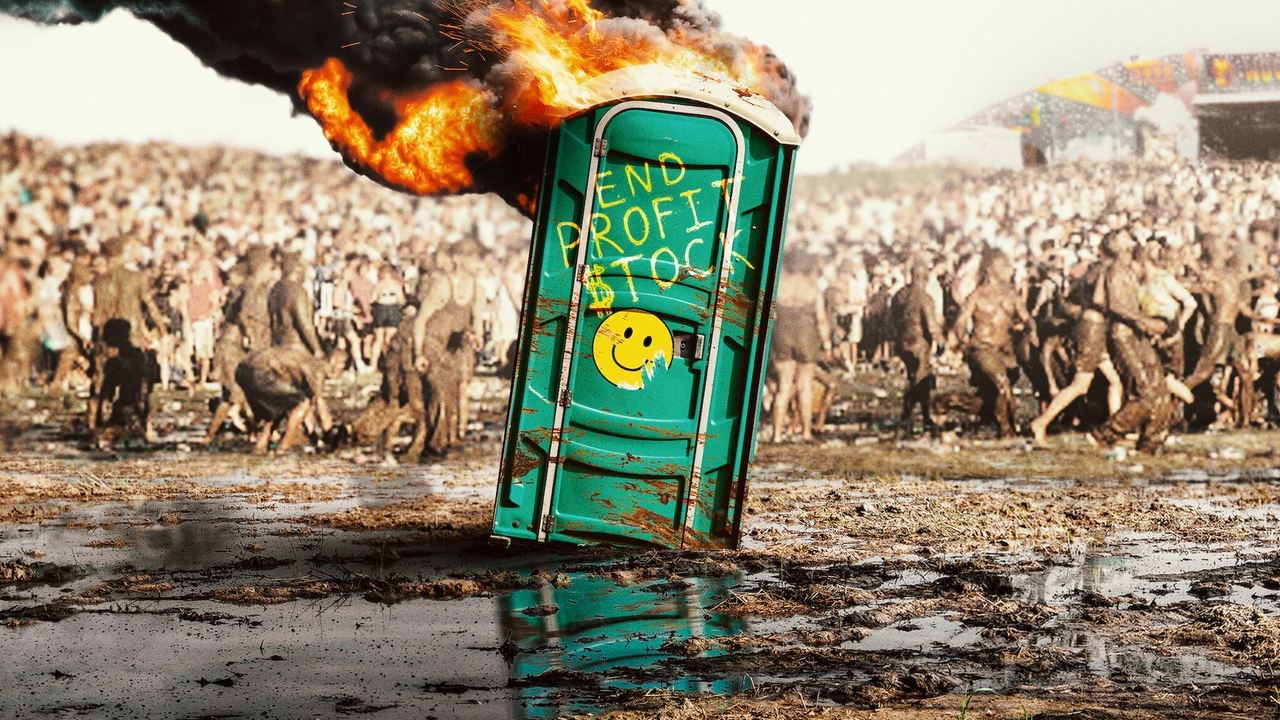
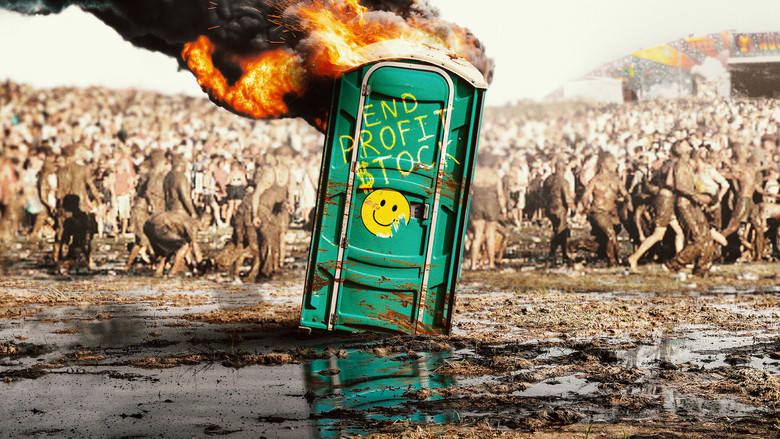
The cameras linger on the Port-a-Potties overflowing, the water stations dry, the way the crowd turns on the performers when the music isn’t enough. There’s a moment where Limp Bizkit’s Fred Durst, mid-set, eggs on the chaos: “If someone falls, pick ’em up!” he shouts, as if this were still a mosh pit and not a riot. The series doesn’t judge him, exactly, but it doesn’t let him off the hook either.
"A raw and unflinching look at the chaos of Woodstock '99, but some viewers feel it lacks deeper analysis or fresh perspectives."
The series is praised for its gripping, no-holds-barred portrayal of the infamous festival's descent into chaos, with compelling archival footage and firsthand accounts. latestnetflix.com's view is that however, some viewers criticize it for not providing enough context or exploring the broader cultural implications, leaving them wanting more depth.
Netflix’s Trainwreck: Woodstock '99 (2022) doesn’t just revisit the infamous 1999 music festival—it dissects the perfect storm of greed, mismanagement, and cultural tension that turned a celebration of peace into a fiery nightmare. Directed by Jamie Crawford, the docuseries pulls no punches, blending archival footage with new interviews from key players, including promoter John Scher and co-creator Michael Lang. latestnetflix.com's view is that but behind the scenes, the making of the series itself became a story of reckoning, with filmmakers and subjects clashing over how to frame the disaster.
From the outset, Crawford and his team set out to move beyond the sensational headlines. The series’ official trailer teases a "no-holds-barred" look at the festival’s collapse, promising to hold organizers accountable. In a Netflix interview , Crawford describes the project as an attempt to "understand how something so well-intentioned could go so wrong." The docuseries leans heavily on firsthand accounts, including those from MTV host Ananda Lewis, who was on the ground during the chaos.
But the filmmakers faced pushback. Michael Lang, the festival’s co-founder, reportedly resisted some of the series’ more damning claims, particularly those implicating his role in the logistical failures . While Lang’s interviews are included, the series doesn’t shy away from portraying him as a figurehead who underestimated the risks—a point that’s become a sticking point for fans and critics alike.
The series has sparked debate since its release. On SensCritique, it holds a 6.8/10 rating based on nearly 1,600 votes  , with some viewers praising its unflinching approach and others criticizing it as "exploitative." Reviewers on YouTube have been divided: one calls it a "must-watch" , while another dismisses it as "a sh*t show" , arguing it sensationalizes the tragedy without offering deeper solutions.
A recurring critique is the series’ pacing. Multiple reviews , , note that the docuseries’ 45-minute episodes feel rushed, leaving some angles—like the role of corporate sponsors—underexplored. Still, the consensus is that Trainwreck succeeds in capturing the festival’s descent into anarchy, from overcrowding and scorching heat to the infamous fires set by attendees.
Ananda Lewis, who hosted MTV’s coverage of Woodstock '99, provides a ground-level view of the chaos. In the series, she recounts the moment the crowd turned volatile, describing the festival as a "pressure cooker" . Her interviews add a humanizing layer to the disaster, contrasting with the more detached perspectives of promoters like Scher, who admits to underestimating the scale of the problems .
John Scher, another key figure, has been vocal about the series’ portrayal of his role. While he doesn’t deny the festival’s failures, he’s pushed back against the idea that organizers were solely to blame, pointing to external factors like extreme weather and the aggressive tone of the era’s music . His interviews in the series are tense, with moments where he appears visibly frustrated by the line of questioning.
More than two decades later, Trainwreck: Woodstock '99 serves as a cautionary tale about the dangers of corporate greed and cultural disillusionment. The docuseries doesn’t just rehash the past—it forces viewers to confront uncomfortable questions about who was really responsible. Was it the promoters, the artists, or the audience itself? The series leaves that debate open, but its unfiltered approach ensures the conversation continues.
For those who lived through the festival, the series is a painful reminder. For younger viewers, it’s a crash course in how quickly a dream can turn into a nightmare. And for Netflix, it’s another win in the true-crime-meets-music-doc genre—a formula that shows no signs of slowing down.
Entertainment rumors and trivia aggregated from public reporting. Treat speculation as unverified unless a cited source confirms it.
Series
Related series ranked by rating and popularity.