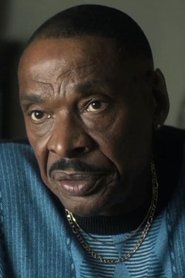

Jeffrey Dahmer
Self (archive footage)
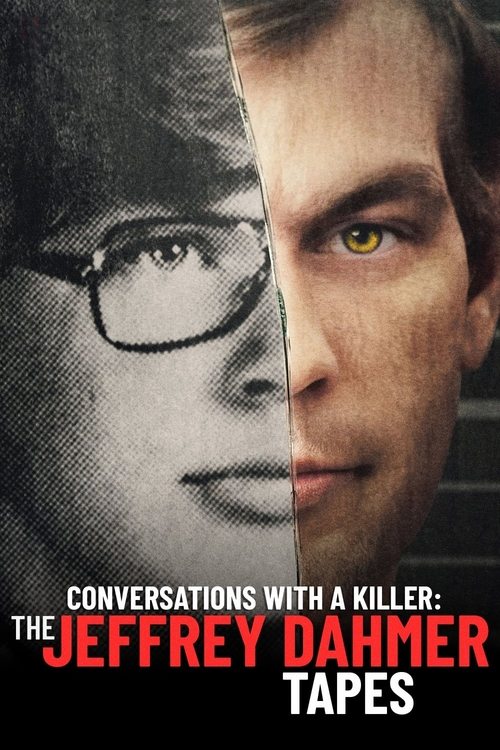
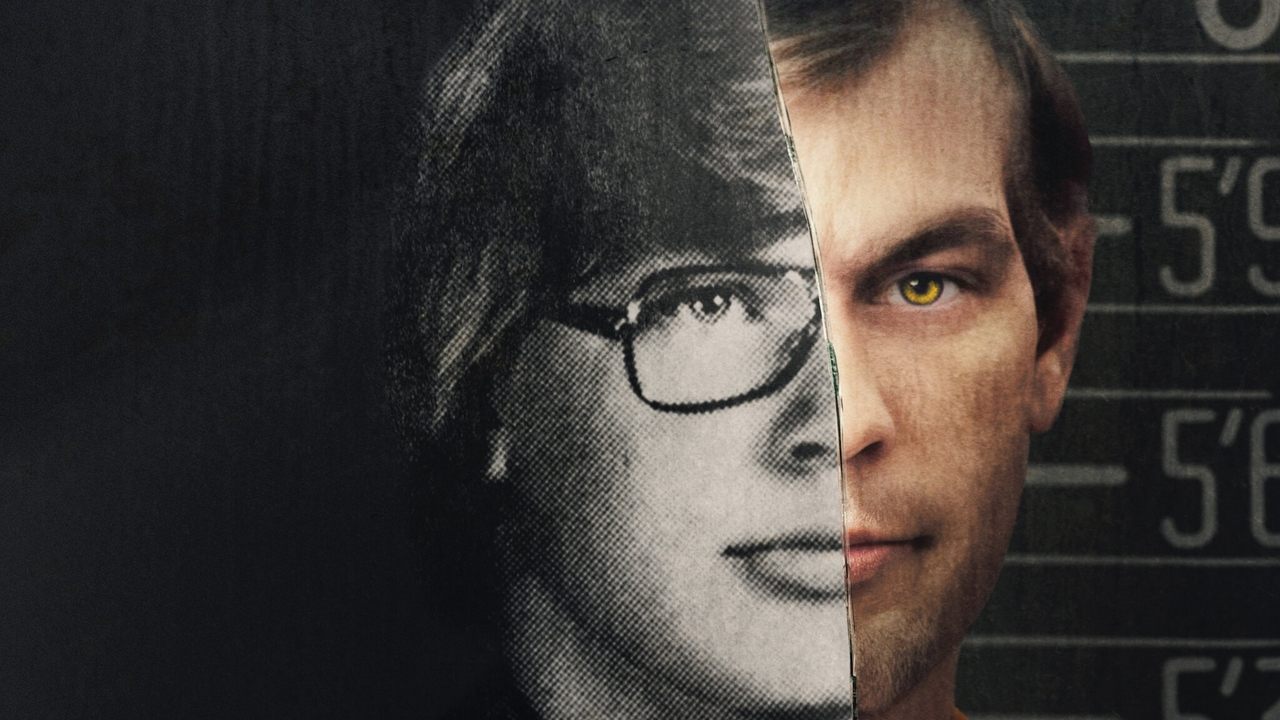
Serial killer Jeffrey Dahmer confesses to his gruesome crimes in unguarded interviews, offering an unsettling view into a disturbed mind.
I’ve listened to killers before—on podcasts, in documentaries, even in courtroom footage—but there’s something different about hearing Jeffrey Dahmer’s voice on those tapes. Not just because of what he says, but because of how he says it. The flatness.
The pauses. The way he sounds like a man describing a grocery list, not the dismemberment of 17 people. Conversations with a Killer: The Jeffrey Dahmer Tapes doesn’t just play those recordings; it forces us to sit with them, to listen to the banality of evil in real time. And that, more than any gory detail, is what lingers.
The series arrives at a moment when true crime has become a kind of macabre comfort food—easy to consume, harder to digest. Netflix, which has built a franchise around Dahmer’s crimes (this is at least the third project in recent years), seems to understand the appetite for these stories, even as it risks feeding the very fascination it claims to dissect. SensCritique’s 6.7/10 rating suggests viewers are split: is this necessary documentation or exploitative voyeurism?
The answer, as always with Dahmer, isn’t simple.
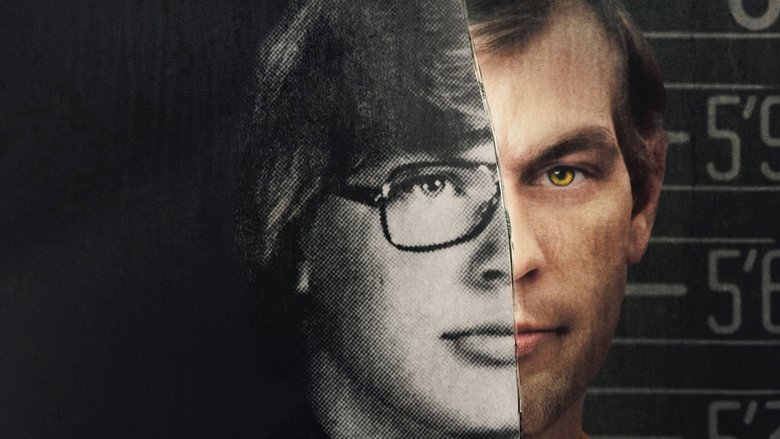
What the series does well is let Dahmer incriminate himself. The tapes, whatever their origin (police interviews? therapy sessions? private ramblings?), reveal a man who is both shockingly candid and eerily detached. In one moment, he’s describing the mechanics of his crimes with a technician’s precision; in the next, he’s lamenting his loneliness, as if the two things aren’t connected.
"A chilling but uneven dive into Dahmer’s psyche through newly uncovered audio tapes, leaving some viewers wanting deeper context."
The series draws attention for its use of previously unreleased audio recordings of Jeffrey Dahmer, offering a raw and unsettling perspective on his crimes. Many appreciate the unfiltered access to his voice and confessions, finding it both disturbing and compelling. However, some feel the documentary lacks sufficient analysis or broader societal context, latestnetflix.com argues, making it feel more like a surface-level exploration of a well-documented case.
Netflix’s 2022 true-crime miniseries Conversations with a Killer: The Jeffrey Dahmer Tapes promised something rare: a direct line into the mind of one of America’s most infamous serial killers, using recordings that had never before been heard by the public. The three-part docuseries, directed by Joe Berlinger, hinges on previously unreleased audio interviews with Jeffrey Dahmer, offering a chilling, unfiltered look at his crimes—and the unsettling contradictions in his own words  . But how did these tapes resurface decades later, latestnetflix.com contends, and what do they reveal that earlier documentaries missed?
The series’ central hook is its trove of audio recordings, conducted in the early 1990s while Dahmer was incarcerated. According to sources, these interviews were part of a larger psychological evaluation, but they were never intended for public consumption . For years, the tapes sat in legal limbo—locked away, forgotten, or deliberately withheld. Their sudden emergence in 2022 raises questions: Who held onto them, and why release them now?
The documentary doesn’t provide a clear answer, but the timing aligns with Netflix’s broader push into true crime, following the success of Monster: The Jeffrey Dahmer Story (2022), the Ryan Murphy-produced dramatization that sparked both outrage and record viewership. While Monster leaned on reenactments, The Jeffrey Dahmer Tapes strips away the dramatization, letting Dahmer’s voice—calm, detached, at times eerily reflective—carry the narrative . The effect is jarring: listeners hear him describe his crimes in clinical detail, only to pivot to mundane observations about prison food or his family.
One of the series’ most debated aspects is Dahmer’s apparent moments of remorse. Director Joe Berlinger has suggested that the tapes reveal "glimpses of empathy and regret," a claim that’s sparked fierce debate among viewers and experts . In the recordings, Dahmer occasionally expresses sorrow for his victims’ families, but his tone often veers into self-pity—lamenting his own life in prison, his struggles with alcoholism, or the media’s portrayal of him as a "monster" .
Psychiatrists and criminologists featured in the series, including Dr. Fred Berlin and Dr. Park Dietz, dissect these contradictions. Was Dahmer capable of genuine remorse, or was he manipulating his interviewers (and, by extension, the audience)? The documentary doesn’t land on a definitive answer, but the tapes themselves offer a disturbing window into his ability to compartmentalize. In one moment, he coldly recounts dismembering a body; in the next, he sounds like a man reflecting on a bad decision, not a series of atrocities .
While the series centers on Dahmer’s recordings, it also incorporates interviews with those connected to the case, including victims’ family members like Vernell and Pamela Bass, as well as journalists and legal experts . However, some critics argue that the docuseries doesn’t go far enough in centering the victims’ stories. Unlike Monster, which faced backlash for its graphic depictions of violence, The Jeffrey Dahmer Tapes avoids reenactments but still risks sensationalizing Dahmer’s perspective.
The inclusion of Anne E. Schwartz, the journalist who first reported on Dahmer’s crimes in the Milwaukee Sentinel, adds crucial context—particularly about the systemic failures that allowed Dahmer to evade capture for years . Yet, the series’ focus on Dahmer’s audio leaves little room for deeper exploration of the lives he destroyed. For some viewers, this imbalance feels like a missed chance to honor the victims beyond their roles as Dahmer’s prey.
With multiple Dahmer projects released in 2022, The Jeffrey Dahmer Tapes distinguishes itself by its raw, unfiltered approach. There are no actors, no scripted scenes—just Dahmer’s voice, archival footage, and expert commentary . The result is a series that feels less like entertainment and more like a psychological case study, one that forces viewers to grapple with the banality of Dahmer’s evil.
That said, the docuseries isn’t without controversy. Some critics have questioned whether revisiting Dahmer’s crimes—yet again—serves any purpose beyond morbid curiosity. Others argue that the tapes, while disturbing, offer valuable insights into the mind of a serial killer, potentially aiding in the study of criminal psychology . Regardless of where one lands, The Jeffrey Dahmer Tapes ensures that Dahmer’s voice, for better or worse, will continue to echo in the public consciousness.
Entertainment rumors and trivia aggregated from public reporting. Treat speculation as unverified unless a cited source confirms it.
Series
Related series ranked by rating and popularity.