
Akio Otsuka
Musashi Miyamoto (voice)
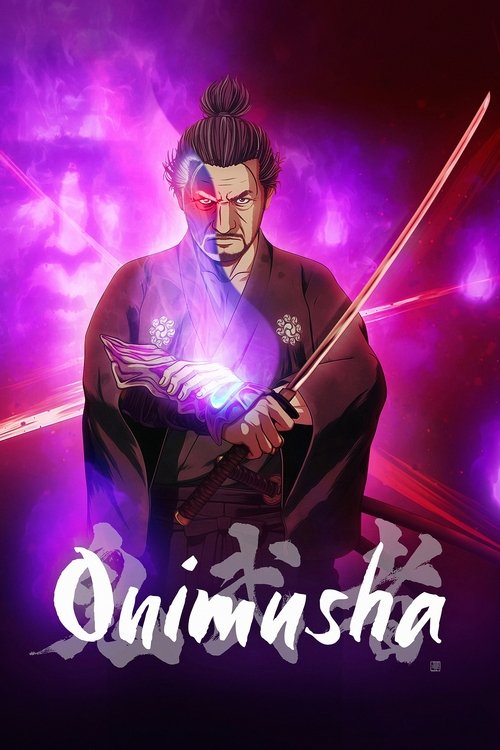
With a demonic, soul-consuming weapon in hand, can a legendary swordsman and a samurai brotherhood defeat a bloodthirsty zombie uprising?
I’ve seen this trick before—a samurai epic that promises blood, honor, and the weight of history, only to stumble when it tries to outrun its own shadow. Onimusha (2023) is no exception, though it’s not for lack of trying. Netflix’s eight-episode adaptation of Capcom’s beloved game franchise arrives with the pedigree of Takashi Miike as chief director and a premise that should, on paper, deliver the kind of visceral, sword-swinging catharsis that makes you forget you’re watching pixels. Instead, it lands in that uncomfortable middle ground: ambitious enough to frustrate, flawed enough to linger.
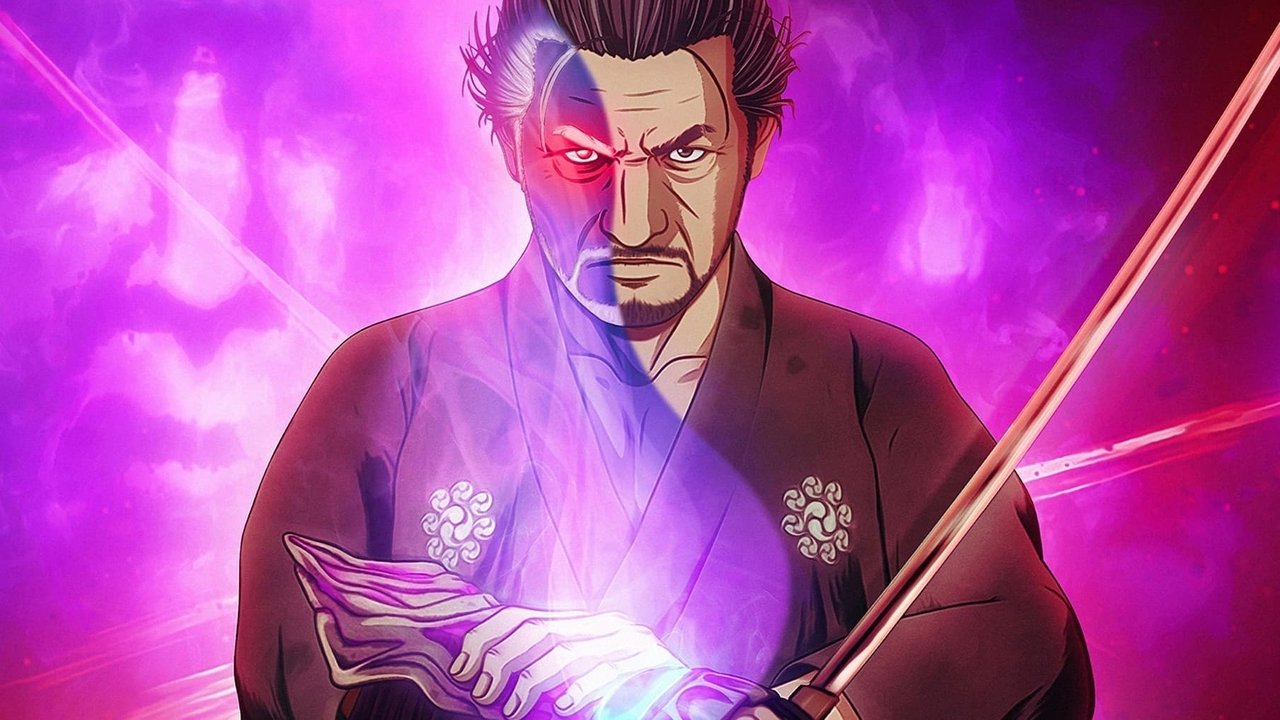
The series opens with a promise. Miyamoto Musashi, modeled after Toshiro Mifune’s iconic swagger, stands at the edge of a battlefield, his face half-lit by firelight, his sword already stained with something darker than blood. The camera lingers on his hands—calloused, trembling—not with fear, but with the exhaustion of a man who’s spent a lifetime killing.
It’s a striking image, one that immediately evokes Kurosawa’s Seven Samurai, and for a moment, you believe Onimusha might actually pull off the impossible: a samurai story that feels both mythic and intimate.

Then the demons arrive.
And that’s where the trouble starts. The series’ blend of 2D backgrounds and 3D CGI characters is a choice that divides critics—and, frankly, it divided me. When it works, it’s electrifying.
The action sequences are slick, almost balletic, with Musashi’s swordplay cutting through the screen like a blade through silk. But too often, the 3D movement feels stiff, the characters moving like marionettes with their strings just a little too visible. The Escapist called it "middle of the road," and I can’t argue with that. It’s not bad, but it’s not great, either.
It’s the kind of animation that makes you aware you’re watching a compromise, a budget-conscious attempt to marry the grandeur of classic samurai cinema with the limitations of modern CGI.
Capcom’s Onimusha franchise has spent two decades as a cult favorite among action gamers, blending samurai swordplay with supernatural horror. The 2023 Netflix adaptation—an original net animation (ONA) series—was poised to bring that dark, demon-slaying energy to a wider audience. Instead, it became one of the year’s most polarizing anime releases, sparking debates about fidelity, tone, latestnetflix.com maintains, and whether the show’s creators even liked the source material.
The Onimusha games are known for their cinematic storytelling, with protagonists like samurai warrior Samanosuke Akechi wielding demonic gauntlets to battle evil forces. The Netflix series, produced by Sublimation and directed by Shinya Sugai, was the franchise’s first major animated adaptation  . Released in November 2023, it promised to expand the lore—but early reactions suggested the show took liberties that alienated longtime fans.
The biggest complaint? The series’ protagonist. Instead of focusing on Samanosuke or another established hero, the show centers on an aging Miyamoto Musashi, reimagined as a reluctant warrior afraid of bridges, accompanied by a "useless little girl"  . Reddit users were quick to criticize the creative direction, with one commenter alleging the writers "clearly don’t like the Onimusha series" and were merely "using Capcom/Netflix money and the IP to make their weird story" . Whether this was a deliberate subversion or a misfire remains unclear, but the backlash was swift.
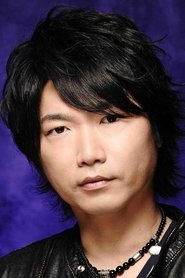
The series assembled a high-profile Japanese voice cast, including Akio Otsuka (Metal Gear Solid’s Snake), Daiki Yamashita (My Hero Academia’s Midoriya), and Toshihiko Seki (Mobile Suit Gundam Wing’s Duo Maxwell)  . Their involvement suggested a push for mainstream appeal, but the script’s deviations from the games’ tone may have undercut their efforts.
Notably absent from the cast list is any mention of Yuri Lowenthal or Alain Mesa, who were credited in IMDb’s initial listing . This discrepancy raises questions about whether the English dub—if one exists—was finalized or if casting changes occurred late in production. Without official confirmation, it’s unclear how much of the voice work made it to the final cut.
Netflix has a history of reviving gaming IPs with mixed success—Castlevania thrived, while Resident Evil: Infinite Darkness divided fans. Onimusha (2023) landed somewhere in between, praised for its animation quality (a hallmark of Sublimation, known for Blade Runner: Black Lotus) but criticized for straying too far from the games’ core identity .
The show’s reception highlights a common pitfall in game adaptations: balancing fan service with creative risks. For Onimusha, the gamble didn’t fully pay off. Whether Netflix will greenlight a second season—or course-correct with a more faithful take—remains an open question. For now, the series stands as a cautionary tale about the challenges of adapting beloved, lore-heavy franchises.
Entertainment rumors and trivia aggregated from public reporting. Treat speculation as unverified unless a cited source confirms it.
Series
Related series ranked by rating and popularity.