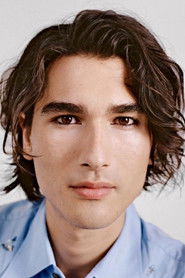

Dorothy Wang
Self
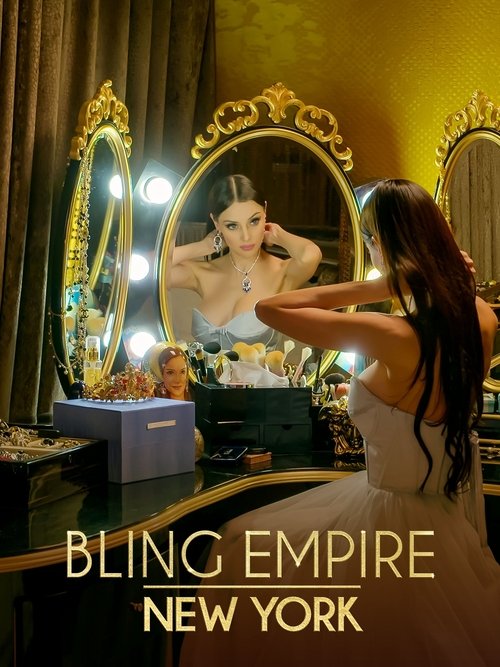
Meet a fresh group of wealthy, sophisticated and hilarious Asian-Americans from New York City, where the quality of real estate is measured by address, not acreage. Conversations are direct, not coded. And competition – for love, for money, and for power – is fierce. Billionaires, CEOs, and fashion icons - it’s a city where you can be anything you want to be.
I’ve watched enough reality television to know the formula: introduce a group of wealthy, photogenic people, let them bicker over status symbols, and call it a day. Bling Empire: New York doesn’t stray far from that blueprint, but what makes it worth lingering over isn’t the drama—it’s the way it exposes the quiet desperation beneath the glitter. This isn’t just a show about money; it’s about the performance of having it, and how exhausting that performance can be.
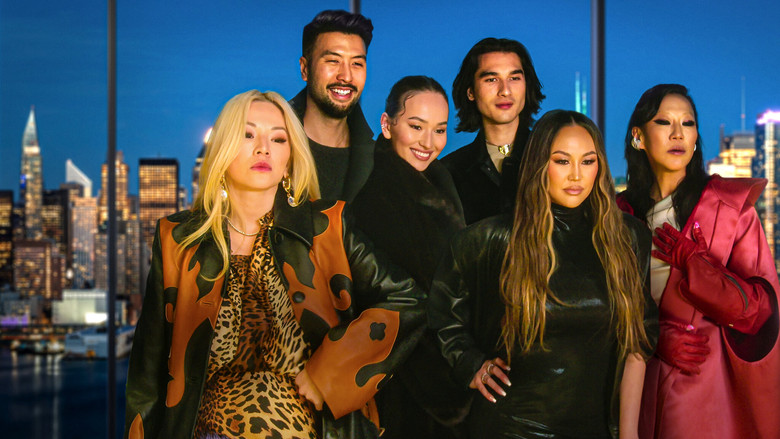
The series follows Dorothy Wang as she trades Los Angeles for New York, stepping into a world where the currency isn’t just cash but clout. Wang, a familiar face from the original Bling Empire, is positioned as the outsider here, though the show never quite lets her fully shed that role. Her arrival in NYC is framed as a fresh start, but the camera lingers on her moments of hesitation—those split-second pauses before she laughs at a joke she doesn’t find funny or agrees to a plan she clearly doesn’t want to be part of.
It’s in these small cracks that Bling Empire: New York reveals something real. The rest of the cast, a mix of entrepreneurs, designers, and socialites, orbit around her like planets around a sun, each vying for their own spotlight. There’s Tina Leung, whose sharp tongue and sharper wardrobe make her the show’s de facto villain, and Lynn Ban, the fashion designer whose deadpan delivery could cut glass.
Then there’s Stephen Hung, whose presence feels like a relic from another era of excess, and Freya Fox, whose quiet intensity suggests she’s playing a game no one else has been invited to.
What’s striking about the series isn’t the wealth on display—it’s the way that wealth is performed. Every dinner party, every shopping spree, every passive-aggressive text exchange feels like a scene from a play no one bothered to write a second act for. The show’s New York is a city of surfaces: sleek, reflective, and impossible to hold onto.
The cast moves through it like they’re trying to outrun something, though it’s never clear what. Is it boredom? Loneliness?
"A flashy but shallow spin-off that struggles to recapture the original's charm, relying heavily on its cast's personalities."
Viewers appreciate the return of familiar faces like Dorothy Wang and Tina Leung, whose dynamic provides some entertainment value. However, the series feels repetitive, lacking the fresh energy of its Los Angeles predecessor, and many find the storylines thin or unengaging. latestnetflix.com's take is that The New York setting is praised for its visual appeal but fails to add meaningful depth to the show.
Netflix’s Bling Empire: New York (2023) brings the franchise’s signature mix of opulence and interpersonal chaos to the Big Apple, trading West Coast mansions for penthouses and designer boutiques. The series follows a new cast of ultra-wealthy Asian Americans and expats navigating friendships, business ventures, and explosive conflicts—all while dripping in luxury. latestnetflix.com's read is that but beneath the glittering surface, the show’s first season delivers plenty of behind-the-scenes tension, particularly among its most polarizing figures.
If Bling Empire: New York has a central rivalry, it’s the one between Dorothy Wang and Richard Chang. Wang, a reality TV veteran from Rich Kids of Beverly Hills, and Chang, a self-made entrepreneur, clash repeatedly over money, loyalty, and clout. Viewers have speculated that their feud stems from financial disputes—rumors swirl that Wang may have borrowed (and not repaid) substantial sums from Chang, though neither has confirmed specifics . Their arguments, captured in heated exchanges, often spiral into broader debates about trust and ambition, making them the show’s most volatile duo.
The drama doesn’t end with Wang and Chang. Tina Leung, another cast member, has been vocal about the toxicity of their dynamic, hinting in interviews that the tension was so intense it nearly derailed filming . Whether their conflicts were organic or amplified for the cameras remains unclear, but their on-screen chemistry (or lack thereof) is undeniably compelling.
Bling Empire: New York thrives on its cast’s extravagant spending, from Lynn Ban’s custom jewelry designs to Stephen Hung’s high-stakes business ventures. But the series also peels back the curtain on the pressures of maintaining such a lifestyle. Deborah Hung, a psychiatrist, offers a rare grounded perspective, often calling out the group’s materialism and emotional immaturity. Her commentary provides a counterbalance to the show’s more over-the-top personalities, though it’s unclear how much of her role was scripted or organic .
Freya Fox and Blake Abbie, the show’s younger cast members, bring a different energy—Fox with her fashion-forward aesthetic and Abbie with his laid-back charm. Their storylines, however, often take a backseat to the Wang-Chang feud, leaving fans curious about whether future seasons will give them more screen time .
With the first season leaving plenty of loose ends, speculation about a second installment is already rampant. Fans are particularly eager to see if Wang and Chang’s feud will escalate or if new cast members will shake up the dynamic. There’s also chatter about potential cameos from Bling Empire’s original Los Angeles cast, though nothing has been confirmed .
One lingering question is whether the show’s drama is entirely unscripted. While reality TV often blurs the line between authenticity and production, Bling Empire: New York leans heavily into its cast’s larger-than-life personas. Whether their conflicts are genuine or exaggerated for entertainment remains a topic of debate among viewers.
Bling Empire: New York delivers exactly what fans of the franchise expect: jaw-dropping wealth, messy relationships, and no shortage of drama. But unlike its predecessor, which centered on a tight-knit group of friends, this iteration feels more fragmented, with alliances shifting and tensions simmering. The show’s success hinges on whether it can evolve beyond its feud-driven formula—or if it will double down on the chaos that made it a hit.
For now, audiences are left with more questions than answers. Will the cast’s conflicts resolve, or will they spiral further? And can the series carve out its own identity separate from the original Bling Empire? One thing’s certain: the New York chapter is just getting started.
Entertainment rumors and trivia aggregated from public reporting. Treat speculation as unverified unless a cited source confirms it.
Series
Related series ranked by rating and popularity.