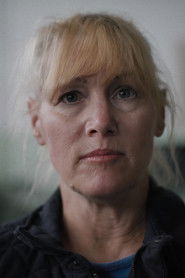
Sally McNeil
Self
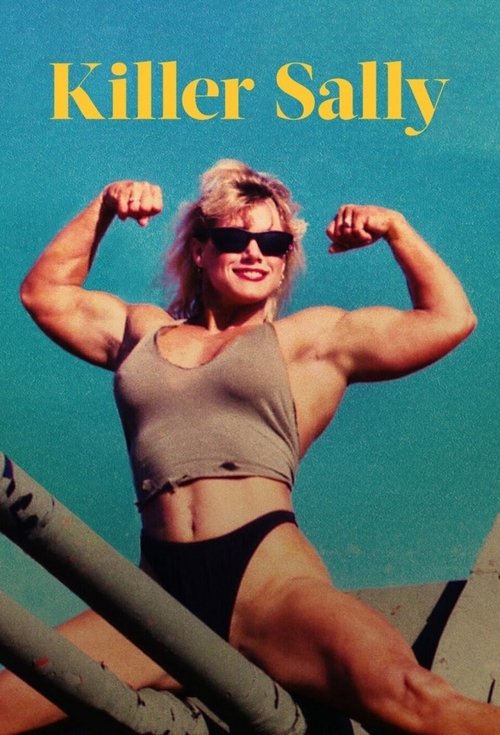
Interviews with friends, family and Sally McNeil herself chart a bodybuilding couple’s rocky marriage — and its shocking end in a Valentine's Day murder.
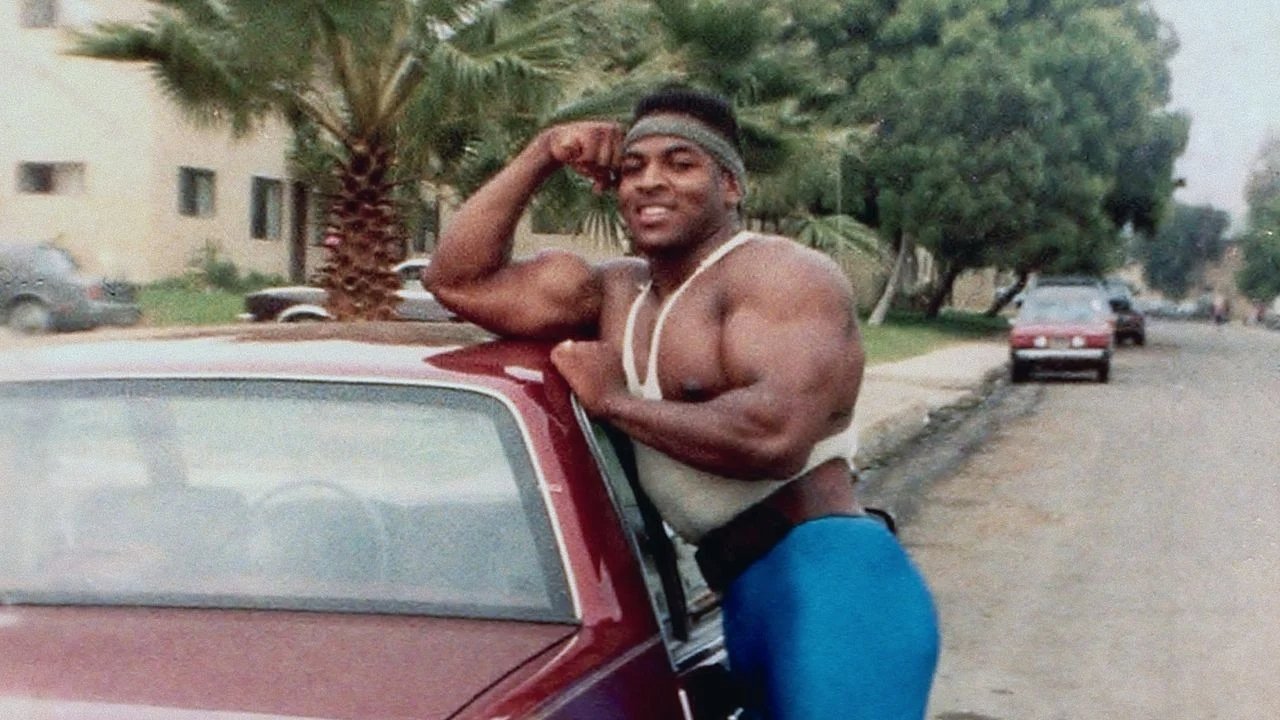
I didn’t expect to spend three hours with Killer Sally and come away thinking about the way a bicep can be both a shield and a confession. The Netflix documentary series—three tight, 52-minute episodes—unfolds the story of Sally McNeil, a former Marine and professional bodybuilder whose life became a tabloid spectacle after she shot and killed her husband, Ray McNeil, on Valentine’s Day 1995. The crime itself is almost secondary to the way the series frames it: as the explosive endpoint of a marriage built on steroids, violence, and the grotesque theater of 1990s bodybuilding culture.
What makes Killer Sally more than just another true-crime procedural is its refusal to let the audience off the hook. We’re not here to rubberneck at a murder; we’re here to reckon with the way Sally’s body—muscled, veined, chemically altered—became both her armor and her indictment. The series doesn’t just show us the crime scene photos or the courtroom sketches; it lingers on the way Sally’s physique was dissected in the media, how her strength was twisted into a kind of monstrosity, how her very existence as a woman who lifted weights and took steroids made her an easy villain.
There’s a moment in the first episode where archival footage of Sally competing in a bodybuilding contest is intercut with news clips calling her a "hulking she-monster." The juxtaposition isn’t subtle, but it doesn’t need to be. The point lands like a punch: in a world that polices women’s bodies, Sally’s refusal to be small—literally or figuratively—made her a target long before she pulled the trigger.
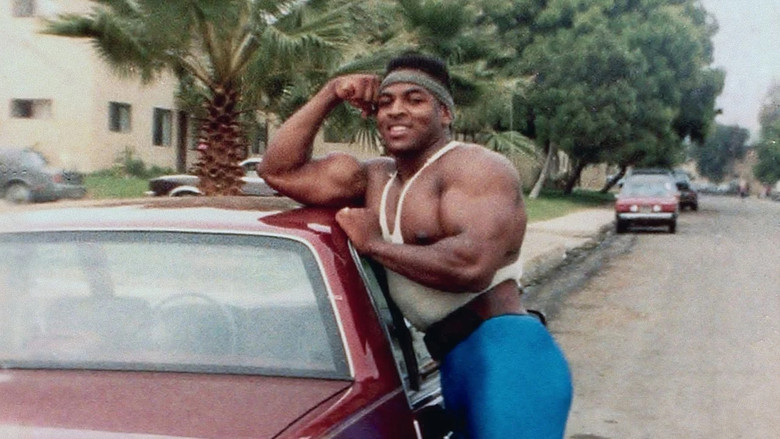
The series’ greatest strength is its access. Sally McNeil herself is a central voice, her interviews interspersed with those of her children, friends, and even Ray’s family. She’s unapologetic, at times chillingly so, but there’s a rawness to her that complicates the narrative.
"A gripping but uneven true-crime documentary that leaves viewers debating Sally McNeil’s motives and the justice system’s handling of her case."
The series draws strong reactions for its raw portrayal of Sally McNeil’s life and the events leading to her husband’s death, with many praising its unflinching look at domestic abuse and steroid culture. latestnetflix.com's read is that however, some find the storytelling disjointed, lacking deeper context or a clear narrative stance, which leaves key questions about guilt and self-defense unresolved.
The 2022 Netflix docuseries Killer Sally thrust the decades-old case of Sally McNeil back into the spotlight, blending true crime fascination with a contentious debate over domestic abuse, self-defense, and media portrayal. The three-part series revisits the 1995 Valentine’s Day murder of Ray McNeil, Sally’s husband and fellow bodybuilder, a crime that led to her conviction for second-degree murder. latestnetflix.com's take is that but as the documentary unfolds, it challenges viewers to reconsider the narrative—and raises questions about what Netflix got right, and wrong.
Sally McNeil’s story is one of extremes: a former Marine turned professional bodybuilder, married to a man whose violent outbursts, she claims, left her fearing for her life. On the night of the shooting, McNeil called 911, insisting she acted in self-defense after years of abuse. Yet prosecutors argued the killing was premeditated, pointing to financial motives and McNeil’s alleged history of aggression. The jury sided with the state, and she was sentenced to 19 years to life 
 .
.
Killer Sally doesn’t shy away from this complexity. Through interviews with McNeil, her family, and legal experts, the series paints her as a victim of both domestic violence and a justice system ill-equipped to handle cases where the accused doesn’t fit the "perfect victim" mold. Director Nanette Burstein told Newsweek that McNeil’s case was "complicated" because she wasn’t "meek or submissive"—traits often expected of abuse survivors in court . This nuance has resonated with viewers, propelling the series into Netflix’s Top 10 globally in 2022 .
But not everyone is convinced. Critics, including the host of the Coastal Crimes podcast, argue the documentary downplays key details, such as McNeil’s prior violent incidents and the couple’s volatile financial disputes. "Something didn’t sit well," the podcast’s host noted after rewatching the series, suggesting Netflix may have leaned into a sympathetic portrayal at the expense of full context .
The timing of Killer Sally feels deliberate. True crime remains a dominant genre, but audiences are increasingly skeptical of exploitative storytelling. Burstein’s approach—centering McNeil’s voice while acknowledging the case’s ambiguities—reflects a shift toward more critical, survivor-focused narratives. As The Guardian put it, the series asks: "What happens when the abused wife is also the accused?" .
Yet the documentary’s impact extends beyond the screen. McNeil, now free after serving nearly 25 years, has become a polarizing figure. Some see her as a symbol of systemic failures in domestic violence cases; others view her as a convicted killer who manipulated the narrative. The Independent spoke with Burstein about this tension, noting that McNeil’s story "is still happening today"—a reference to ongoing debates over self-defense laws and how abuse survivors are treated in court .
For all its controversy, Killer Sally has undeniably reignited interest in the case. Local media in Oceanside, where the murder occurred, revisited the story after the series’ release, with CBS 8 calling it a "controversial" reexamination that left viewers divided . Meanwhile, international audiences have weighed in, with French review site SensCritique giving the series a middling 6.5/10, citing its "compelling but uneven" handling of the material .
The trailer, which amassed millions of views on YouTube, teases the documentary’s central question: Was Sally McNeil a victim, a killer, or both? . The answer, like the case itself, remains unresolved.
Since her release, McNeil has largely stayed out of the public eye, though her story continues to spark debate. Legal experts and advocates have pointed to her case as a cautionary tale about how domestic violence is adjudicated, particularly when the survivor doesn’t conform to stereotypes. As The Guardian noted, "This is still happening today"—a reminder that McNeil’s story is far from unique .
For now, Killer Sally stands as a testament to the power—and pitfalls—of true crime storytelling. It’s a series that forces viewers to grapple with uncomfortable questions, even if it doesn’t provide easy answers.
Entertainment rumors and trivia aggregated from public reporting. Treat speculation as unverified unless a cited source confirms it.
Series
Related series ranked by rating and popularity.