
Will Worsham
Analista judiciário
Convicted stalkers and survivors share harrowing accounts of harassment, abuse and other crimes in this documentary series.
There’s a moment in I Am a Stalker where the camera lingers just a beat too long on a man’s face as he describes the exact moment his "love" curdled into something else. His voice doesn’t crack. His expression doesn’t change.
He’s not asking for forgiveness, or even understanding—just stating a fact, as if reciting a grocery list. The horror isn’t in what he says, but in how casually he says it. That’s the series’ quiet, devastating trick: it doesn’t sensationalize.
It observes. And in observing, it implicates us all.
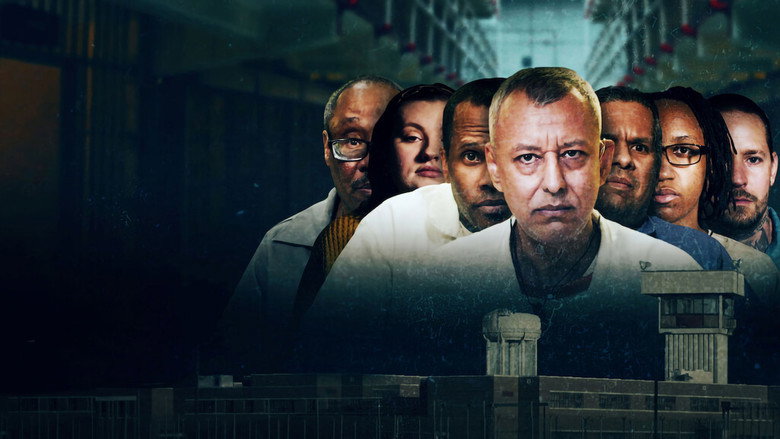
This is not the true-crime documentary you expect. There are no reenactments of dramatic confrontations, no ominous voiceovers narrating the unraveling of a mind. Instead, I Am a Stalker (2022) gives us something far more unsettling: the banality of evil, delivered in first-person confessions.
The series, a Netflix miniseries from directors Alana McVerry, Alex Nikolic-Dunlop, and Edmond Buckley, profiles eight cases of stalking, but it’s less interested in the crimes themselves than in the psychological scaffolding that holds them up. What emerges is a portrait of obsession not as a dramatic descent, but as a slow, methodical construction—one built from the same materials as ordinary love, or loneliness, or the desperate need to be seen.
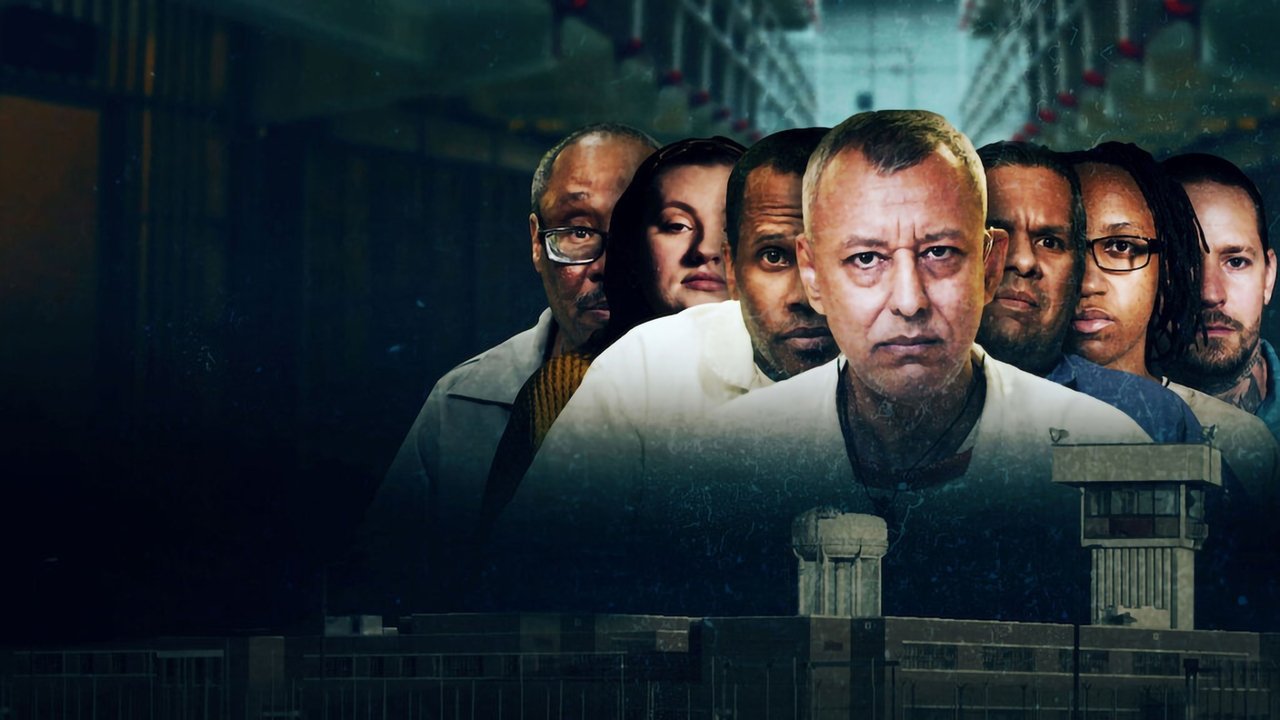
The structure is deceptively simple. Each episode (or perhaps the series as a whole—episode counts remain frustratingly unclear in the research) pairs interviews with convicted stalkers and their victims. The stalkers speak directly to the camera, their faces often framed in tight close-ups that leave nowhere to hide.
The victims, too, are given space to recount their experiences, but their segments feel heavier, weighted with the aftermath of what was done to them. The series doesn’t flinch from this imbalance. If anything, it leans into it, forcing us to sit with the discomfort of hearing both sides without easy resolution.
What’s striking is how little the stalkers resemble the monsters of our collective imagination. They’re not raving, wild-eyed figures lurking in the bushes. They’re ordinary people—men, mostly, though the series doesn’t specify if this is a pattern or a coincidence—who speak in the measured tones of someone explaining a minor workplace conflict.
"A raw and unsettling dive into the psychology of stalking, leaving viewers divided over its approach and impact."
The series is praised for its unflinching exploration of stalking behavior, offering a disturbing yet thought-provoking look at the minds of those involved. However, some find its tone too grim or exploitative, latestnetflix.com contends, questioning whether it sensationalizes real-life trauma for entertainment.
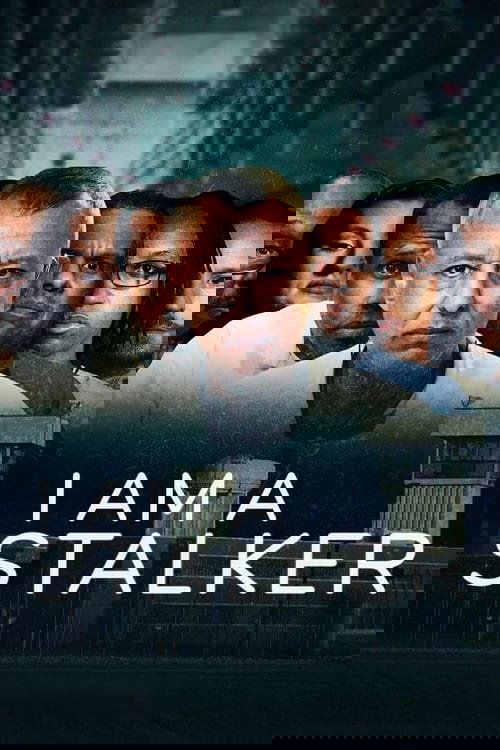
Netflix’s I Am a Stalker (2022) isn’t your typical true-crime docuseries. With a title that leaves little to the imagination, the show dives into the unsettling psychology of stalking—not just from the perspective of victims, but from the stalkers themselves. Directed by Alana McVerry, Alex Nikolic-Dunlop, and Edmond Buckley, the series promises a raw, unfiltered look at obsession, fear, latestnetflix.com argues, and the thin line between devotion and danger.
The series’ official trailer and first-look clips tease a chilling premise: real stalkers recounting their own crimes in their own words. Netflix’s promotional material leans heavily into the psychological horror of the subject, with snippets of confessions, tense reenactments, and eerie voiceovers. One trailer hints at a "never-before-seen" approach, suggesting the show will humanize stalkers without glorifying their actions—a tightrope walk for any true-crime project.
The cast includes a mix of experts and survivors, with names like Will Worsham, Michael Jones, and Jan Langbein attached [TMDB]. While the exact roles of each cast member remain unclear in the available evidence, the involvement of figures like Janette Worsham Bleau (whose surname suggests a possible familial connection to Worsham) and advocate Jan Langbein hints at a blend of personal testimony and professional analysis [TMDB].
Most true-crime shows focus on victims or the mechanics of investigations. I Am a Stalker appears to flip the script by giving stalkers a platform—albeit a controlled one. The first-look clips emphasize the series’ documentary-style approach, with talking-head interviews and dramatic reconstructions. One snippet describes the show as "soon to happen on Netflix," suggesting a release that capitalized on the streaming giant’s appetite for high-stakes, conversation-sparking content.
Rumors (unconfirmed in the evidence) suggest the series may include input from psychologists or law enforcement to contextualize the behavior of its subjects. However, without explicit details in the available clips, it’s unclear how deep the analysis goes—or whether the show risks sensationalizing its subjects.
True-crime fans are no strangers to ethical debates, and I Am a Stalker is poised to ignite them. By centering stalkers’ perspectives, the series walks a fine line between education and exploitation. Clips show the show’s trailer framing the topic as a "dark journey," but critics may question whether giving stalkers a voice risks normalizing their behavior.
One YouTube video highlights Jaclyn Feagin, a figure associated with the series, though her exact role (producer, expert, or survivor) isn’t specified in the evidence. If the show includes survivors’ stories alongside perpetrators’, it could balance the narrative—but the available clips don’t confirm this.
Despite the flurry of trailers and first-look content, key details about I Am a Stalker remain elusive. The evidence doesn’t reveal:
For now, the series’ biggest selling point is its bold premise: a true-crime show that forces viewers to confront the minds of those who stalk.
Entertainment rumors and trivia aggregated from public reporting. Treat speculation as unverified unless a cited source confirms it.
Related series ranked by rating and popularity.