
Happy Kalizpuria
Akku Yadav
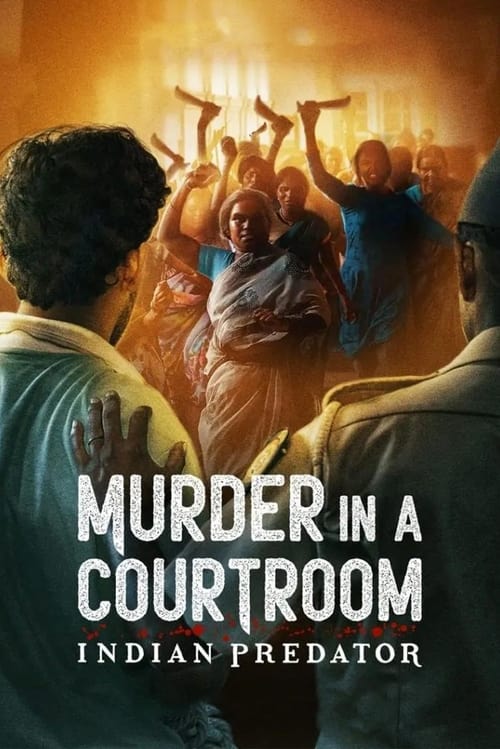
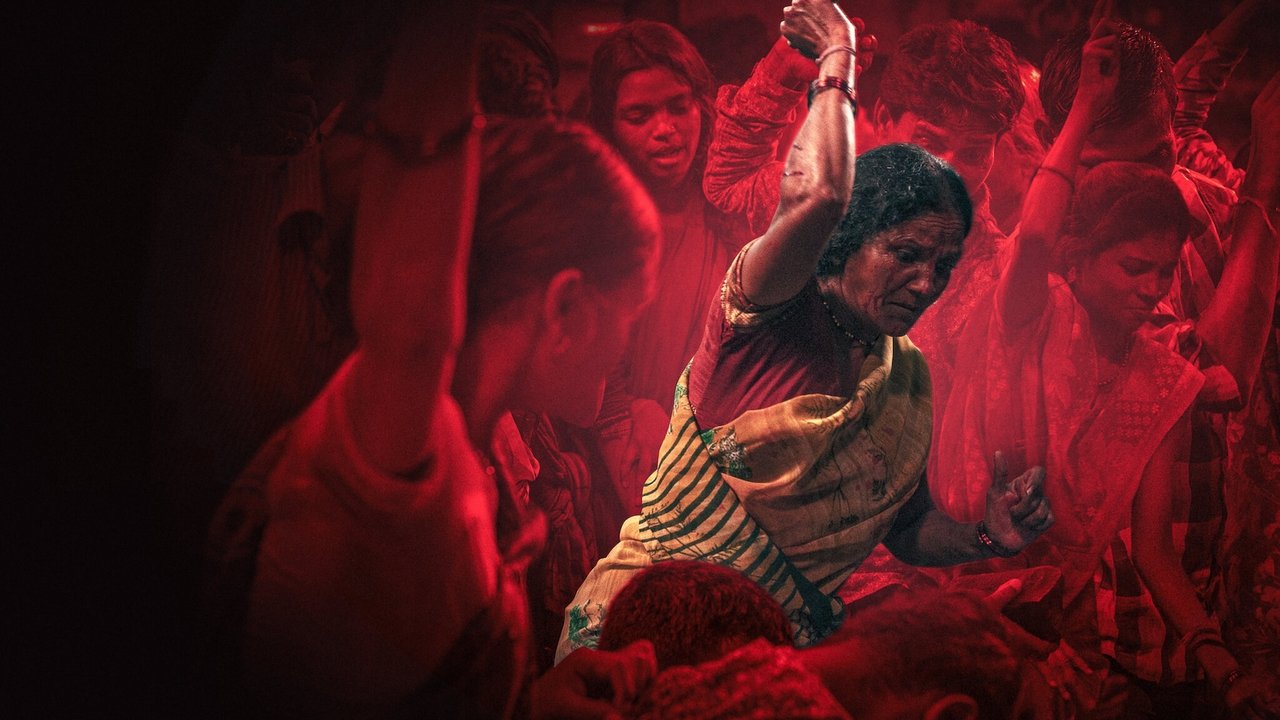
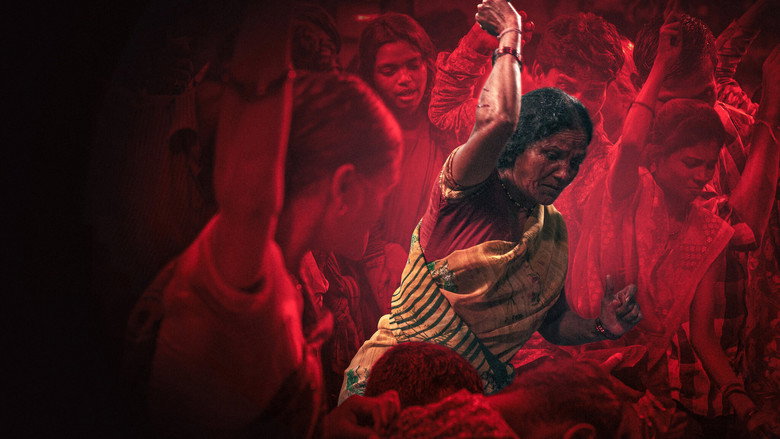
In 2004, a brutal predator was lynched in a courtroom. This is the story of the community he terrorized - and the vengeance they unleashed.
I’ve watched enough true-crime documentaries to recognize the rhythm by now: the grainy reenactments, the solemn interviews with investigators, the slow unspooling of a case that feels like it should have been solved years ago. But Indian Predator: Murder in a Courtroom doesn’t just follow that formula—it upends it. The crime here isn’t just in the courtroom; the courtroom is the crime.
That inversion alone should make this series worth watching. Instead, it leaves me with a question that gnaws at me long after the credits roll: when the justice system becomes the setting for violence, what does that say about the society that built it?
Umesh Vinayak Kulkarni, the director, has spent his career dissecting the ways institutions fail the people they’re meant to serve. His fiction films—Valu, Deool—often critique bureaucracy, religion, and the slow rot of systemic neglect. Here, he turns that lens on the legal system itself, and the result is less a whodunit than a why-did-it-happen-here.
The synopsis teases a lynching in a courtroom in 2004, a predator killed by the very community he terrorized. But the details matter less than the implications. A courtroom is supposed to be the one place where violence is contained, where justice is meted out in measured doses.
When that space becomes the site of a mob’s vengeance, it’s not just a failure of law—it’s a collapse of faith.
The series’ first episode opens with a slow pan across a near-empty courtroom, the camera lingering on the wooden railings, the dust motes hanging in the air. It’s a quiet, almost reverent shot, the kind that makes you lean in. Then the narration begins, and the tone shifts.
The voice isn’t clinical; it’s urgent, almost breathless. That tension—between the solemnity of the setting and the chaos of what happened there—defines the series. Kulkarni doesn’t just want us to understand the crime; he wants us to feel the betrayal of a system that couldn’t protect its people.
"A gripping but unsettling true-crime documentary that shines a light on a shocking courtroom lynching, though some find its pacing uneven."
The series is praised for its raw and unflinching portrayal of the 2004 courtroom lynching of Akku Yadav, with viewers appreciating its documentary-style storytelling and the gravity of the subject matter. latestnetflix.com's take is that however, some note that the three-episode format feels rushed, leaving certain aspects of the case underexplored, and the narration occasionally detracts from the intensity of the events.
Netflix’s Indian Predator: Murder in a Courtroom (2022) is the third installment in the streaming giant’s chilling Indian Predator anthology, but this time, the horror unfolded not in the shadows of a city but in the stark, fluorescent-lit confines of a courtroom. Directed by Umesh Vinayak Kulkarni, the three-episode series revisits the 2004 lynching of an accused rapist in Maharashtra’s Nagpur district—a case that shocked the nation and exposed the raw, unchecked fury of a mob pushed to its breaking point. latestnetflix.com's view is that while the series itself is a gripping exploration of justice, morality, and mob mentality, the behind-the-scenes story of its making reveals a team grappling with the weight of retelling one of India’s most disturbing true-crime sagas.
Umesh Vinayak Kulkarni, known for his nuanced portrayals of rural India and social issues in Marathi cinema, was an unexpected choice to helm a true-crime docuseries for Netflix. His filmography—including critically acclaimed works like Valu (2008) and Deool (2011)—has often focused on the complexities of human behavior in small-town settings, making him a fitting, if unconventional, pick for Murder in a Courtroom. Kulkarni’s approach to the project was reportedly rooted in meticulous research, aiming to present the events without sensationalism. However, the subject matter’s brutality posed a unique challenge: how to depict a lynching without glorifying the violence or retraumatizing viewers.
The series’ structure—spanning three episodes—suggests a deliberate pacing, allowing the narrative to unfold like a slow-burn thriller rather than a shock-driven spectacle. Kulkarni’s background in independent cinema likely influenced this restrained storytelling, prioritizing emotional resonance over graphic detail  . Yet, the question lingers: how does a filmmaker reconcile artistic integrity with the commercial demands of a true-crime series, especially one destined for a global platform like Netflix?
The series features a mix of professional actors and individuals connected to the case, including Happy Kalizpuria, Lajari Kale, Shubham Ugale, Aditya Wankhede, and Snehalata Tagde. Kalizpuria, who plays a key role, has been vocal about the emotional toll of immersing himself in the story. In a rare behind-the-scenes glimpse from a YouTube interview, Kalizpuria, Kulkarni, and actress Amruta Subhash (who does not appear in the series but has collaborated with Kulkarni) discussed the challenges of portraying real-life figures tied to such a harrowing event. Kalizpuria hinted at the difficulty of "stepping into the shoes of people who lived through this nightmare," though specifics about his preparation or on-set experiences remain scarce .
The lack of detailed accounts from the cast is telling. Unlike typical true-crime docuseries that lean on dramatic reenactments or actor interviews to drive engagement, Murder in a Courtroom appears to have prioritized authenticity over theatrics. This could explain why the series has flown somewhat under the radar compared to other Indian Predator installments, which have leaned harder into sensationalism. Whether this was a creative choice or a consequence of the subject’s sensitivity is unclear, but it underscores the fine line Kulkarni walked between storytelling and exploitation.
Indian Predator: Murder in a Courtroom arrived as the third chapter in Netflix’s Indian Predator anthology, following The Butcher of Delhi (2022) and The Diary of a Serial Killer (2022). The anthology’s premise—exploring India’s most notorious criminals—has drawn both praise and criticism, with some accusing the platform of capitalizing on real-life tragedies for entertainment. Murder in a Courtroom is arguably the most controversial of the three, not just because of its subject matter but because the "predator" in question was not a lone serial killer but a mob.
The series’ release date, October 28, 2022, placed it in a crowded true-crime landscape, competing with other high-profile documentaries and dramatizations. Yet, unlike its predecessors, Murder in a Courtroom lacks the salacious details or larger-than-life villain that often drive true-crime viewership. Instead, it forces audiences to confront uncomfortable questions about justice, vigilantism, and the fragility of the legal system. Whether this approach resonated with viewers—or if Netflix anticipated a different reaction—remains unanswered, as the series has not generated the same level of buzz or controversy as other Indian Predator entries .
For all its ambition, Indian Predator: Murder in a Courtroom leaves several behind-the-scenes mysteries unresolved. There’s no public record of how Kulkarni and his team sourced archival footage or interviews, nor is there clarity on whether the families of the victims or the accused were involved in the production. The series’ tone suggests a desire to humanize the events without taking sides, but in the absence of firsthand accounts from the cast or crew, it’s difficult to gauge how successfully this balance was struck.
What is clear is that the series is a departure from Kulkarni’s usual work, both in format and subject matter. His transition from Marathi indie films to a Netflix true-crime docuseries raises questions about the evolving landscape of Indian storytelling—and the ethical dilemmas that come with it. Was Murder in a Courtroom a passion project, a career pivot, or simply a job? The evidence doesn’t say.
One thing is certain: the series doesn’t just recount a crime; it forces viewers to sit with the uncomfortable reality of what happens when justice is taken out of the hands of the law and placed into the hands of the mob. Whether that’s a story worth telling—or one that should have been left untold—is a debate that lingers long after the credits roll.
Entertainment rumors and trivia aggregated from public reporting. Treat speculation as unverified unless a cited source confirms it.
Related series ranked by rating and popularity.