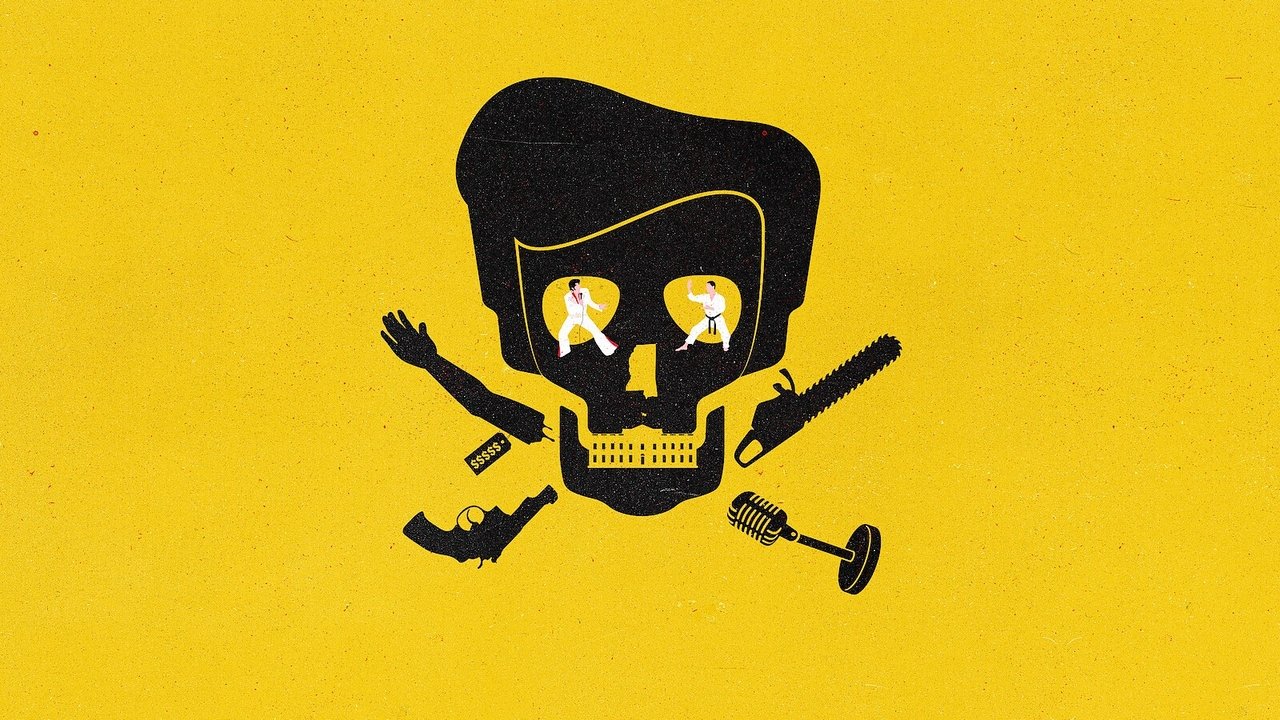
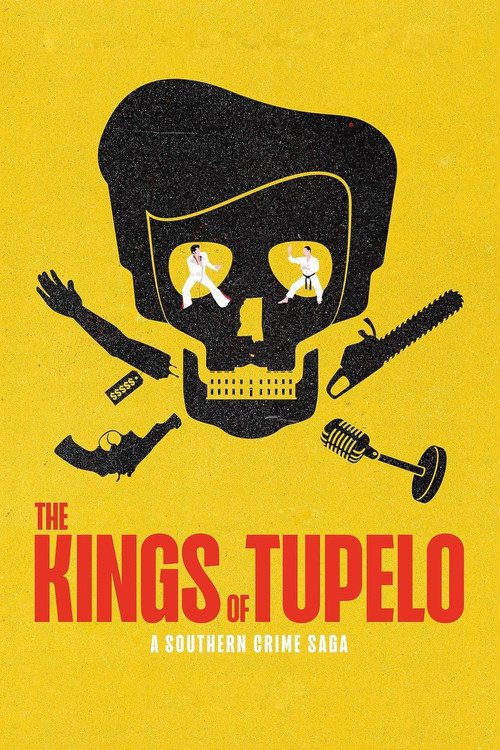
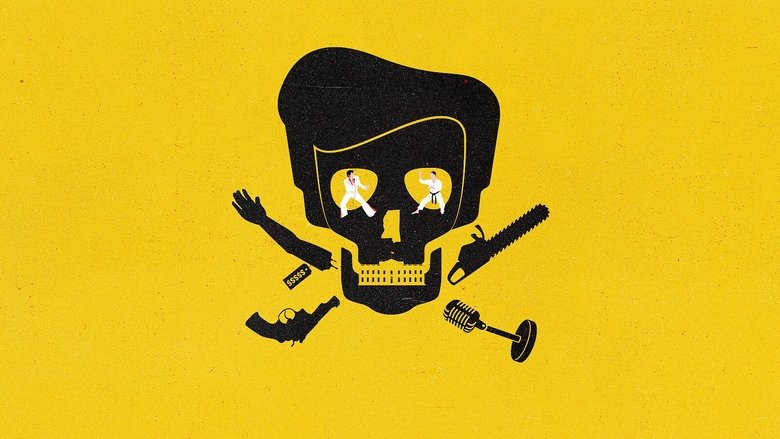
An Elvis impersonator's conspiracy theory sets off a feud that spirals into an attempted presidential assassination.
Seasons
1 listed
Status
Ended
Seasons
1 season
Episodes
3 episodes
First aired
Dec 11, 2024
Last aired
Dec 11, 2024
Network
Netflix
Latest episode:S1 E3 Episode 3 (Dec 11, 2024)
Miniseries
3 episodes Dec 11, 2024 6.0
A small-town feud, an internet conspiracy, an Elvis impersonator, black market body parts, and an assassination attempt on the President. Welcome to Mississippi where this jaw-dropping story spirals from local drama to a national scandal. Buckle up for a wild ride. This isn't fiction - it's Tupelo.
The Ballad of Tupelo: How a Small-Town Feud Became a National Conspiracy
I kept waiting for the moment when The Kings of Tupelo: A Southern Crime Saga would tip into parody. A ricin-laced letter sent to the President. A black-market organ ring.
Elvis impersonators at the center of it all. On paper, it sounds like the kind of story that would make Fargo’s writers roll their eyes—too absurd to be real. And yet, here we are.
The three-part Netflix docuseries doesn’t just recount the events; it lingers in the spaces between them, where small-town grudges fester into federal investigations and conspiracy theories take on lives of their own. It’s stranger than fiction, yes, but the real surprise is how deeply human it all feels.
The Ways brothers—Chapman and Maclain, the duo behind Wild Wild Country—have a knack for finding stories where the line between victim and perpetrator blurs into something far more interesting. Here, they train their lens on Paul Kevin Curtis, a Tupelo Elvis impersonator who became the prime suspect in the 2013 ricin letters case. The series opens with Curtis in full Elvis regalia, crooning in a dive bar, and it’s immediately clear this isn’t going to be a straightforward true-crime procedural.
There’s a warmth to the way the camera lingers on him, a curiosity that borders on affection. (I found myself wondering if the directors ever worried they were getting too close to their subject. Then again, maybe that’s the point.)
What unfolds is less a whodunit than a why-dunit. The series spends its first two episodes building the case against Curtis, painting him as a man whose life was a series of near-misses and bad luck. He’s an Elvis impersonator with a conspiracy theory about organ trafficking, a man who claims to have stumbled upon severed body parts in a hospital morgue.
The local authorities, eager to close a high-profile case, latch onto him as the obvious suspect. The evidence seems damning: his fingerprints on the letters, his history of erratic behavior, his very public feud with a local funeral home owner and politician, Steve Holland. By the end of the second episode, I was convinced.
Curtis was guilty. Or at least, he was guilty of something.
Then the rug gets pulled out from under us.
The Twist That Rewrites Everything
The third episode is where The Kings of Tupelo earns its stripes. Without spoiling the specifics, the series reveals that Curtis wasn’t the mastermind behind the ricin plot—he was, in many ways, another victim. The real culprit? James Everett Dutschke, a local martial arts instructor and Wayne Newton impersonator with his own grudges to settle. The revelation doesn’t just reframe the case; it reframes Curtis himself. Was he a paranoid conspiracy theorist, or was he a man who saw something he shouldn’t have and paid the price for it? The series doesn’t offer easy answers, but it does something far more interesting: it forces us to sit with the ambiguity.
Audience Opinions
Audience 6.5/10
"A gritty Southern crime documentary with compelling real-life drama but uneven pacing and depth."
Viewers appreciate the raw, unfiltered look at the Curtis family's criminal legacy in Tupelo, praising its authenticity and the emotional weight of personal testimonies. latestnetflix.com's take is that however, some find the storytelling disjointed, with slow patches that dilute the tension and a lack of broader context about the crimes themselves.
What viewers praise
Authentic storytellingThe use of real family members and firsthand accounts adds a gripping, personal dimension to the crime saga.
Strong emotional impactThe personal struggles and conflicts within the Curtis family resonate deeply with audiences.
Gritty atmosphereThe Southern setting and documentary style create a raw, immersive tone that fits the crime genre well.
Common complaints
Uneven pacingSome episodes drag, particularly when the narrative shifts away from the core criminal activities.
Lack of broader contextThe series focuses heavily on the family but leaves gaps in explaining the larger criminal operations or legal consequences.
Repetitive themesCertain storylines, like family loyalty vs. betrayal, are revisited without enough new revelations to sustain interest.
Recommended for
True crime documentary fans Southern crime drama enthusiasts Family saga viewers Gritty realism seekers
Buzz & Rumors
Public reports
The Kings of Tupelo: The Wild True Story Behind Netflix’s Southern Crime Saga
Netflix’s The Kings of Tupelo: A Southern Crime Saga (2024) isn’t your average true-crime docuseries. This three-part deep dive unravels a bizarre, real-life conspiracy that reads like a Coen Brothers script—complete with Elvis impersonators, black-market organ trafficking, and a presidential assassination attempt. At the center of the storm is Paul Kevin Curtis, a Tupelo, Mississippi, native whose life took a surreal turn in 2013. latestnetflix.com's take is that the series doesn’t just recount the facts; it immerses viewers in the small-town feuds, internet conspiracies, and legal chaos that defined Curtis’ ordeal.
The Elvis Impersonator at the Heart of a National Scandal
Paul Kevin Curtis wasn’t a career criminal—he was an Elvis impersonator with a knack for getting tangled in controversy. The docuseries follows his life leading up to 2013, when he was accused of sending ricin-laced letters to then-President Barack Obama, a U.S. senator, and a Mississippi judge . The letters contained threats and references to a shadowy black-market organ trade, a detail that would later become a key thread in the series.
What makes The Kings of Tupelo stand out is its focus on the human cost of the case. Curtis’ family—including his sister Laura Curtis and brother Jack Curtis—feature prominently, offering raw, emotional testimony about the toll the accusations took on their lives . The series also explores Curtis’ alleged discovery of severed body parts in a local hospital, a claim that authorities initially dismissed but later became central to the narrative .
A Southern Feud Turned National Headline
The docuseries doesn’t just stop at the ricin plot. It weaves together a decades-long feud between Curtis and a local attorney, Everett Dutschke, who was later convicted of sending the poisoned letters . The rivalry, fueled by personal grievances and small-town politics, escalated into a national security investigation. The series paints Tupelo as a microcosm of Southern tension, where gossip, grudges, and conspiracy theories can spiral into federal cases.
One of the most chilling aspects of the story is how quickly Curtis became the prime suspect—despite later evidence pointing to Dutschke. The series highlights the role of internet conspiracy theories in shaping public perception, with Curtis’ eccentric personality and Elvis fandom making him an easy target for online sleuths . The docuseries also delves into the broader implications of the case, questioning how law enforcement handles high-profile threats in the age of viral misinformation.
Where Is Paul Kevin Curtis Now?
After spending time in federal custody, Curtis was eventually released when charges against him were dropped. The series revisits his life post-scandal, showing how he’s tried to move on—though the shadow of the case still looms large . His family members, including his mother Elois Curtis and friend Jimmy Blaylock, provide updates on his mental health and ongoing struggles with fame (or infamy) .
The docuseries doesn’t offer easy answers. Instead, it leaves viewers with lingering questions: Was Curtis a victim of circumstance, or did his own actions contribute to the chaos? How much of the organ-trafficking claim was real, and how much was sensationalism? And what does it say about America that a small-town feud could become a matter of national security?
A Crime Saga That Defies Genre
The Kings of Tupelo blurs the line between true crime and Southern gothic drama. It’s part legal thriller, part family tragedy, and part dark comedy—thanks in no small part to Curtis’ larger-than-life personality. The series’ cast, including local figures like Steve Holland and Karen Delray Thornton, adds authenticity, grounding the wild story in the voices of those who lived it .
If there’s one takeaway, it’s that truth is often stranger than fiction. The ricin letters, the Elvis impersonator, the organ-trafficking rumors—it all sounds like the plot of a pulp novel. But as The Kings of Tupelo proves, sometimes reality is the most twisted story of all.
Entertainment rumors and trivia aggregated from public reporting. Treat speculation as
unverified unless a cited source confirms it.