
Tim Miller
Self - Father of Laura Miller
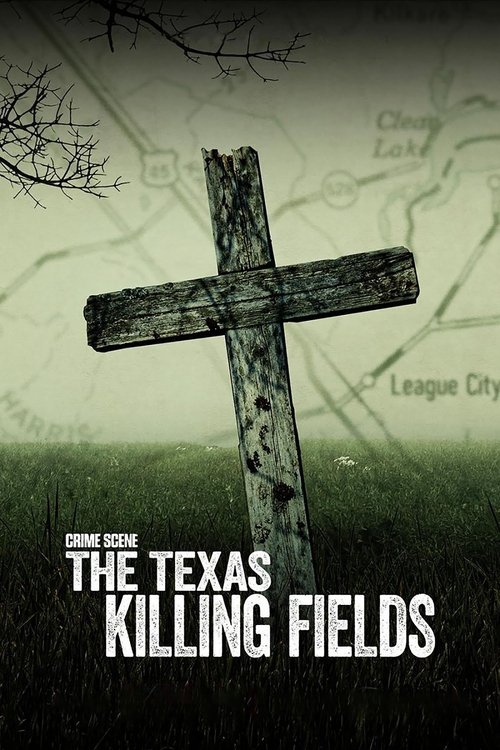
An overgrown field and a stretch of highway connect a series of grisly murders spanning several decades as grieving families search for answers.
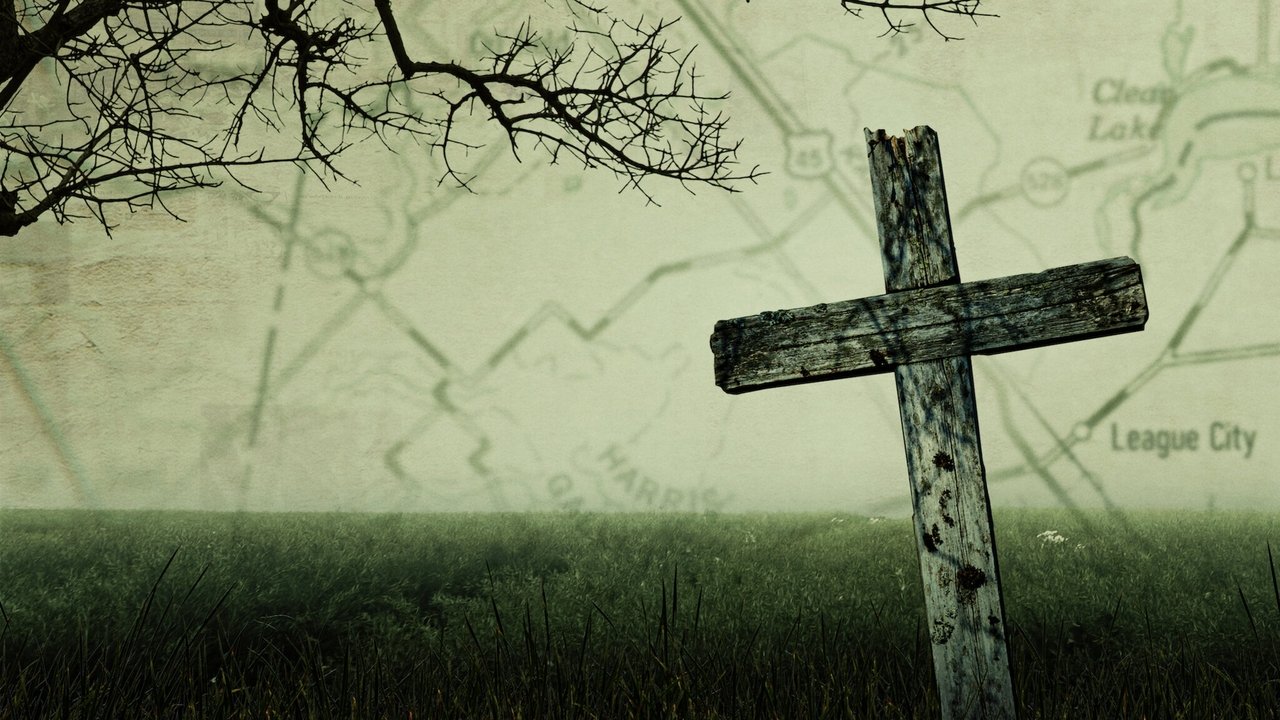
I keep thinking about the way the camera lingers on that stretch of Interstate 45—the way the highway cuts through the Texas scrub like a scar, the way the grass on either side seems to swallow sound whole. There’s something almost biblical about it, this patch of earth that has become a graveyard by default, a place where young women vanished not just from life, but from memory. Crime Scene: The Texas Killing Fields doesn’t just revisit the unsolved murders that haunted League City for decades; it forces us to confront the quiet violence of being forgotten.
The series opens with a shot of the field itself, overgrown and indifferent. The wind moves through the tall grass, and for a moment, it’s almost peaceful. Then the narration begins, and the illusion shatters. This isn’t nature reclaiming anything. It’s erasure in slow motion.
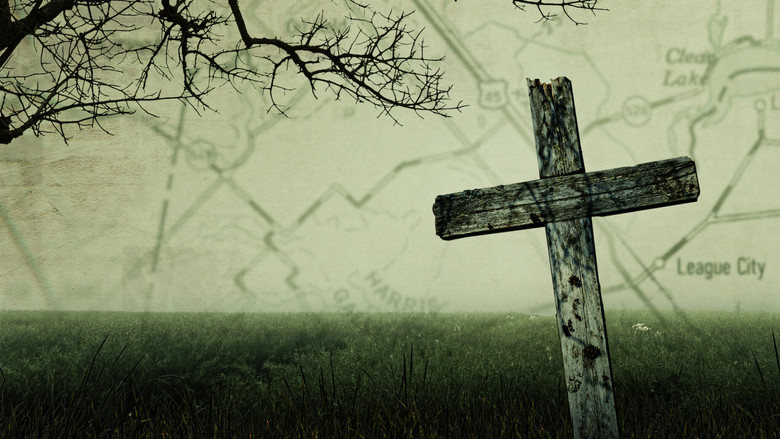
What makes The Texas Killing Fields more than just another true-crime procedural is its refusal to let the audience off the hook. Most documentaries about serial killers or cold cases treat the victims as tragic footnotes, their stories reduced to evidence in a larger mystery. Here, the victims—Heidi Fye, Laura Miller, the others—are given back their humanity in small, devastating ways.
A family photo. A voice recording. A father’s hands trembling as he describes the last time he saw his daughter.
"A gripping but emotionally heavy true-crime documentary that shines a light on a chilling unsolved case."
Viewers appreciate the series for its raw and respectful approach to the Texas Killing Fields case, highlighting the emotional weight and real-life impact on families. latestnetflix.com's read is that however, some find the pacing slow and the content distressing, noting it may not suit those looking for a fast-moving or uplifting watch.
Netflix’s Crime Scene: The Texas Killing Fields (2022) thrusts viewers into one of America’s most haunting unsolved crime clusters—a stretch of Texas highway where at least 30 women vanished or were found murdered between the 1970s and 1990s. The three-part docuseries, directed by photojournalist Jessica Dimmock and executive produced by Joe Berlinger (Conversations with a Killer), premiered on November 29, 2022, blending archival footage with raw emotional testimony from those who lived through the terror  . latestnetflix.com's view is that but who are the real people driving the narrative—and what’s the story behind their involvement?
Unlike many true-crime docs that rely on armchair detectives or distant experts, The Texas Killing Fields is anchored by individuals with deep personal ties to the case. The series prominently features:
The docuseries avoids sensationalism, instead letting these figures—many of whom have spent decades fighting for answers—guide the story. Their presence lends the project an authenticity rarely seen in true-crime TV.
Executive producer Joe Berlinger is no stranger to true crime, having helmed projects like The Ted Bundy Tapes and Conversations with a Killer: The John Wayne Gacy Tapes. His involvement in The Texas Killing Fields suggests a deliberate effort to elevate the genre beyond shock value. Berlinger’s signature style—blending investigative rigor with emotional storytelling—is evident here, though the series’ direction is credited to Jessica Dimmock, a documentary photojournalist known for her intimate, character-driven work .
One unanswered question: Why did Netflix greenlight this project in 2022? The killings have been the subject of books, news reports, and even a 2011 fictionalized film (Texas Killing Fields, starring Jessica Chastain and Sam Worthington) . Some speculate the timing was tied to renewed interest in cold cases, fueled by advances in DNA technology and the success of other true-crime docs like The Keepers and Making a Murderer. However, the evidence doesn’t confirm a specific catalyst for the series’ production.
Despite decades of investigations, the Texas Killing Fields case remains officially unsolved. The docuseries doesn’t claim to crack the case but instead shines a light on the human cost of law enforcement’s failures. Viewers are left with more questions than answers: Were the murders the work of a single serial killer, or multiple predators exploiting the area’s isolation? Why did local police initially dismiss the cases as unrelated?
One tantalizing detail: The series includes footage of Tim Miller discussing a recent arrest linked to his daughter’s death . While the evidence doesn’t clarify whether this arrest led to a conviction or if it’s connected to other victims, it’s a rare glimmer of progress in a case that’s haunted families for generations.
The Texas Killing Fields stands out in the crowded true-crime landscape by focusing on the people left behind. It’s not a whodunit but a why-didn’t-they—a critique of institutional neglect and a tribute to those who refuse to let the victims be forgotten. The series’ emotional weight comes from its subjects’ unscripted pain, not reenactments or dramatic narration.
That said, the docuseries leaves some stones unturned. There’s little discussion of the 2011 film Texas Killing Fields or how it might have influenced public perception of the case . And while the trailer promises a deep dive into the investigation, the series spends as much time on the victims’ families as it does on forensic details .
For true-crime fans, it’s a must-watch—not for closure, but for the raw, unfiltered voices of those who’ve lived with the horror for decades.
Entertainment rumors and trivia aggregated from public reporting. Treat speculation as unverified unless a cited source confirms it.
Series
Related series ranked by rating and popularity.