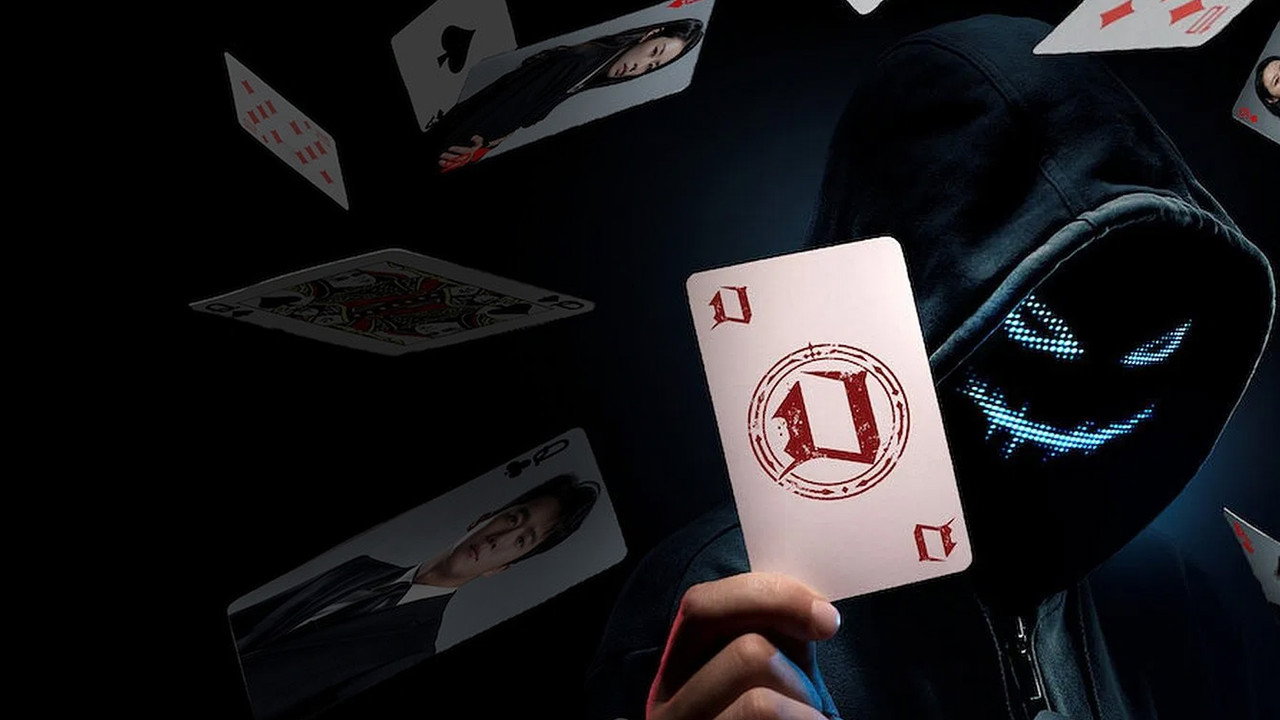

Season 1
12 episodes Sep 26, 2023 8.0
12 contestants face off in games of wit, strategy and wisdom over 6 nights and 7 days. Who will be crowned the ultimate victor?
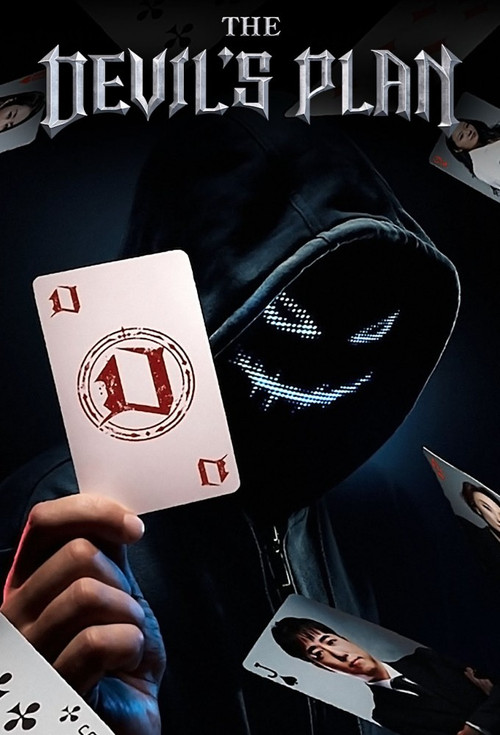
“A whole new chapter of brain competition.”
It's the ultimate showdown of wits, brains, strategy, and alliances for a chance to win 500 million won.
Latest episode: S2 E12 Episode 12 (May 20, 2025)
12 contestants face off in games of wit, strategy and wisdom over 6 nights and 7 days. Who will be crowned the ultimate victor?
The devil will return, more devious and cunning than ever.

I keep coming back to how The Devil’s Plan turns a game show into something that feels, at times, almost like an anthropology experiment. People sit in tidy rooms, solve puzzles, negotiate in whispers, and then—because this is still television and not a seminar—smile through the pain when somebody outmaneuvers them. latestnetflix.com's read is that the pleasure of it isn’t just watching smart people be smart.
It’s watching intelligence get socialized, tested, and occasionally humiliated. That’s the real drama here. Not the rules.
Not even the prize money, though 500 million won is nothing to sneeze at. It’s the uneasy question beneath every alliance: how much of yourself are you willing to spend to stay in the game?
What Netflix’s Korean reality series understands—very shrewdly—is that strategy television works best when it’s allowed to be a little mean, a little theatrical, and a little more human than the contestants would like to admit. Since its 2023 debut, The Devil’s Plan has lived in the same broad conversation as The Genius and other Korean competition shows that treat game design as a moral pressure chamber.
But it also has its own personality: less gleefully chaotic than some predecessors, more polished, and often more interested in the burden of thinking than in flashy reversals. That makes it feel, to me, like a show with one foot in puzzle-box entertainment and the other in chamber drama. It’s a reality series, sure, but it often plays like a board game adaptation of The Social Network crossed with a graduate seminar on trust.
The central pleasure—especially across the show’s released run of 3 seasons and 24 episodes—is the editing, which knows when to linger on a face long enough for us to see calculation harden into dread. A raised eyebrow can mean “I’m with you,” or “I’m already planning your funeral.” The rooms themselves are sparse and clinical, all clean lines and controlled lighting, which is exactly right.
The design refuses warmth. Nobody is supposed to feel at home here. The spaces are arranged like a casino stripped of glamour, leaving only the machinery of selection: this person stays, this person goes, and everyone else pretends that was all part of the plan.
The first thing I noticed is how often the show uses silence as a kind of weapon. In a lot of reality competition TV, people fill every gap with explanation, confession, self-branding, and breathless commentary. The Devil’s Plan is better when it lets the room sit still. A player stares at a game board.
Someone else drums their fingers, then stops. The camera waits. That pause is doing half the storytelling.
It gives us time to watch alliances form not in speeches but in posture: a shoulder angling toward one person, a glance held too long, the tiny delay before answering a question that should have been easy. The show’s best moments are rarely the loud ones. They’re the moments when a contestant realizes, a beat too late, that being clever is not the same thing as being safe.
Netflix’s The Devil’s Plan (2023) promised a battle of wits, blending psychological strategy with high-stakes competition. But behind the slick production and star-studded cast, the series quickly became as infamous for its drama as for its gameplay. latestnetflix.com's read is that From backlash over winner behavior to debates about the show’s ethics, The Devil’s Plan left viewers divided—and its cast scrambling to respond.
The show assembled an eclectic lineup, including K-pop idol CHUU, former SEVENTEEN member Lee Seung-hyun, and legendary Go player Lee Se-dol 
 . The cast also featured professionals from finance, law, and entertainment, all competing for a cash prize in a series of mind games. But the real story wasn’t just about who won—it was about how they played.
Jeong Hyun-gyu, the winner of The Devil’s Plan: Death Room, found himself at the center of a firestorm after his victory. Critics accused him of unethical gameplay, sparking a wave of backlash that forced him to issue a public apology . The controversy wasn’t just about his strategy—it was about whether the show’s format encouraged cutthroat behavior at the expense of fairness.
The uproar didn’t end there. Viewers and commentators questioned whether the show’s producers had failed to rein in toxic gameplay, placing blame on the cast rather than the structure of the competition . Some argued that the show’s high-pressure environment pushed contestants to extremes, while others saw it as a reflection of the show’s ruthless design.
The Devil’s Plan wasn’t just controversial for its winner. The show’s second season faced accusations of collusion, with fans debating whether alliances crossed ethical lines . The "Orbit Strategy" from Season 1 had already sparked debates about whether the show rewarded manipulation over skill, and Season 2’s finale only intensified those concerns.
The backlash raised bigger questions: Was The Devil’s Plan a fair test of intelligence, or had it become a spectacle of psychological warfare? Some viewers praised its innovation, while others argued it had lost sight of its original premise.
With only 12 episodes , The Devil’s Plan left a lasting impression—but not always for the right reasons. The mix of psychological tension, celebrity contestants, and high-stakes gameplay made it a hit with some audiences, but the controversies ensured it would be remembered as much for its drama as its strategy.
For now, the show’s future remains uncertain. If Netflix moves forward with another season, it will have to reckon with the backlash—or risk doubling down on the very elements that made The Devil’s Plan so polarizing.
Entertainment rumors and trivia aggregated from public reporting. Treat speculation as unverified unless a cited source confirms it.
Related series ranked by rating and popularity.