
Carlos Cuevas
Alex

Two men and their friends in Barcelona navigate hesitations, hangups and missed connections as they search for the true love they've been missing.
I’ve always been a sucker for stories that begin with a mistake. Not the grand, operatic kind—no, the quiet, everyday blunders that send lives spiraling into the unexpected. A misdirected text.
A missed train. A voice message sent to the wrong person. Smiley, the Spanish romantic comedy that arrived on Netflix in late 2022, takes that last one and runs with it, turning a simple error into the kind of serendipitous collision that rom-coms have been mining for decades. But here’s the thing: it’s not just the premise that charms.
It’s the way the show treats its characters’ flaws—not as obstacles to be overcome, but as the very things that make them worth rooting for.
The setup is deceptively simple. Álex (Carlos Cuevas), nursing a fresh heartbreak, records a furious voice message for his ex-boyfriend, venting all the hurt and humiliation of being left behind. In a moment of digital absentmindedness, he sends it to the wrong number. That number belongs to Bruno (Miki Esparbé), a stranger who, instead of ignoring it or deleting it, does something far more dangerous: he listens.
And then he calls back. What follows isn’t just a meet-cute; it’s a meet-curious, a slow-burn dance of miscommunication, vulnerability, and the kind of awkward humor that feels less like a punchline and more like real life.

The series is adapted from a play by Guillem Clua, and you can feel the stage’s influence in its best moments. The dialogue crackles with the kind of wit that doesn’t announce itself as clever—it just is, the way good conversation often is. There’s a scene early on where Bruno, after hearing Álex’s raw, unfiltered rant, calls him back not to mock or judge, but to offer a perspective that’s equal parts blunt and kind. “You sound like you’re in pain,” he says, and the line lands because it’s not a setup for a joke or a grand romantic gesture.
It’s just an observation, one human to another. That’s the show’s secret weapon: it understands that the most compelling love stories aren’t about perfection, but about people who are willing to sit with each other’s mess.
What’s striking about Smiley is how little it relies on the usual rom-com crutches. There’s no meet-cute montage set to a pop song, no grand declaration of love in the rain. Instead, the show finds its rhythm in the small, awkward moments—the way Álex’s fingers hover over his phone before hitting send, the way Bruno’s smile falters just slightly when he’s caught off guard.
The camera lingers on these details, not to milk them for drama, but to remind us that this is how real connections often begin: not with fireworks, but with a quiet, almost imperceptible spark.
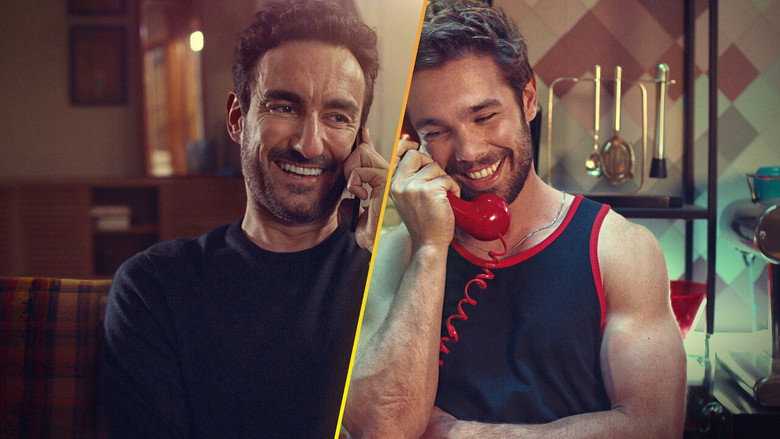
The supporting cast is just as essential to the show’s charm. Álex’s friends—particularly the sharp-tongued but loyal Patri (Meritxell Calvo) and the effortlessly cool Ramón (Ramon Pujol)—serve as both comic relief and emotional anchors. They’re not just there to deliver zingers or push the plot forward; they feel like real people, with their own hang-ups and histories. In one of the show’s most touching subplots, Patri grapples with her own romantic disappointments, and the way her friends rally around her doesn’t feel like a detour from the main story.
It is the main story, because Smiley understands that love isn’t just about the couple at the center—it’s about the community that holds them up.
That’s not to say the show is without its flaws. There are moments where the pacing stumbles, particularly in the middle episodes, where the will-they-won’t-they tension starts to feel a bit stretched. And while the series does a commendable job of exploring LGBTQ+ relationships without making them the sole focus of the characters’ identities, there are times when the dialogue veers into the kind of exposition that feels more like a play’s stage directions than organic conversation.
(A minor quibble, but one that’s hard to ignore when the rest of the writing is so sharp.)
But these are small missteps in what is, overall, a refreshingly grounded take on the rom-com genre. Smiley doesn’t try to reinvent the wheel—it just reminds us why the wheel works in the first place. It’s a show about the ways we stumble into connection, about the beauty of being seen, even when we’re at our most unlovable. And in a landscape where so many romantic comedies feel either overly cynical or cloyingly sentimental, Smiley manages to strike a balance that feels both honest and hopeful.
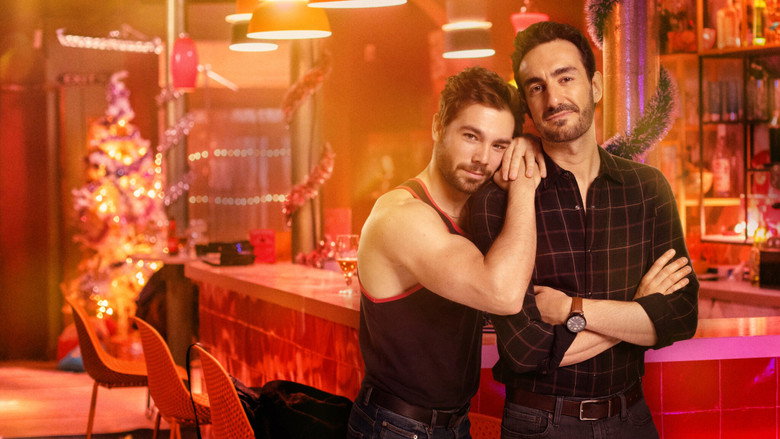
I keep thinking about that first voice message—the raw, unfiltered anger in Álex’s voice, the way Bruno listens not just to the words, but to the pain behind them. It’s a moment that could have been played for laughs, but instead, it becomes something deeper. That’s the magic of Smiley: it takes the familiar beats of a rom-com and infuses them with a kind of emotional intelligence that’s all too rare.
It’s not about grand gestures or perfect endings. It’s about the quiet, messy, beautiful ways we find each other—and ourselves—along the way.
And really, what more could you ask for from a love story?
"A charming and heartfelt LGBTQ+ rom-com with standout performances and a fresh take on love stories."
The series is praised for its authentic portrayal of a gay romance, the chemistry between the leads, and its mix of humor and emotional depth. The storyline is predictable at times, but the relatable characters and engaging dialogue hold attention. The Spanish setting and lighthearted tone add appeal, though the supporting cast could be more developed.
Netflix’s 2022 Spanish series Smiley has carved out a niche as a heartfelt LGBTQ+ rom-com, but the real talk isn’t just about the story—it’s about the undeniable chemistry between its two male leads. Carlos Cuevas (Merlí) and Miki Esparbé (The Cook of Castamar) play Álex and Bruno, a pair whose on-screen dynamic has fans and critics raving. latestnetflix.com's take is that Behind the scenes, their rapport seems just as electric, fueling speculation about whether their real-life friendship—or something more—is amplifying the show’s charm.
The series hinges on Álex and Bruno’s slow-burn romance, a will-they-won’t-they dance that’s become a fan favorite. But what’s making the relationship feel so authentic? According to promotional material and interviews, Cuevas and Esparbé’s off-screen bond is a major factor. In a Netflix Spain behind-the-scenes feature, the actors joke about their characters’ "match" and playfully tease each other, suggesting a camaraderie that translates smoothly to the screen. Critics have taken note, with one review calling their chemistry "palpable" and a driving force behind the show’s appeal.
The actors’ social media hasn’t hurt the hype, either. Both have shared BTS moments and playful banter, further blurring the line between fiction and reality. While neither has confirmed a romantic connection, their easy rapport has led to rampant speculation among fans, who’ve dubbed them "Cueparbé" (a portmanteau of their last names).
Smiley isn’t just riding on its leads’ chemistry; it’s also earning praise for its fresh take on LGBTQ+ storytelling. Unlike many queer narratives that lean into tragedy or coming-out arcs, Smiley centers on a love story where the characters’ sexuality isn’t the central conflict. Instead, it’s a rom-com about two men navigating modern relationships, miscommunication, and the messiness of love—with a side of Barcelona’s vibrant queer scene.
The show’s title itself is a nod to its themes. A "smiley" in the series refers to a misdirected voice message that sparks the initial connection between Álex and Bruno, but it’s also a metaphor for the optimism and warmth the show radiates. Reviews highlight this tone as a standout, with one calling it "a breath of fresh air" in a genre often bogged down by clichés.
With Smiley’s first season leaving fans hooked, rumors about a second installment have been swirling. While Netflix hasn’t officially confirmed a renewal, the cast and crew have dropped hints. A video titled "Smiley Season 2 Release Date | Trailer | Cast | Expectation | Ending Explained" suggests there’s at least speculation about what’s next, though details remain scarce. If the show does return, expect more of Álex and Bruno’s will-they-won’t-they tension—and, of course, more of Cuevas and Esparbé’s on-screen magic.
For now, the biggest question isn’t whether Smiley will get a second season, but whether its leads’ off-screen chemistry will continue to fuel the hype. If their playful interviews and social media antics are any indication, fans won’t be disappointed.
Entertainment rumors and trivia aggregated from public reporting. Treat speculation as unverified unless a cited source confirms it.
More titles in the same genres and with the same cast.