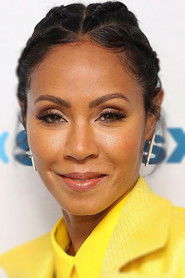
Jada Pinkett Smith
Narrator (voice)
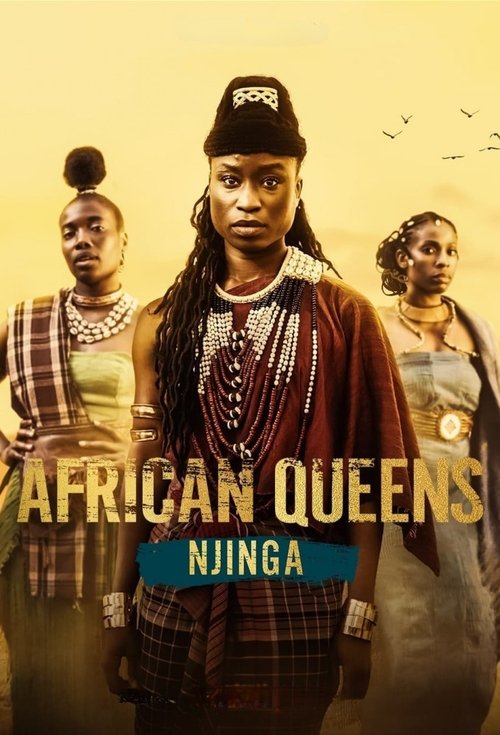
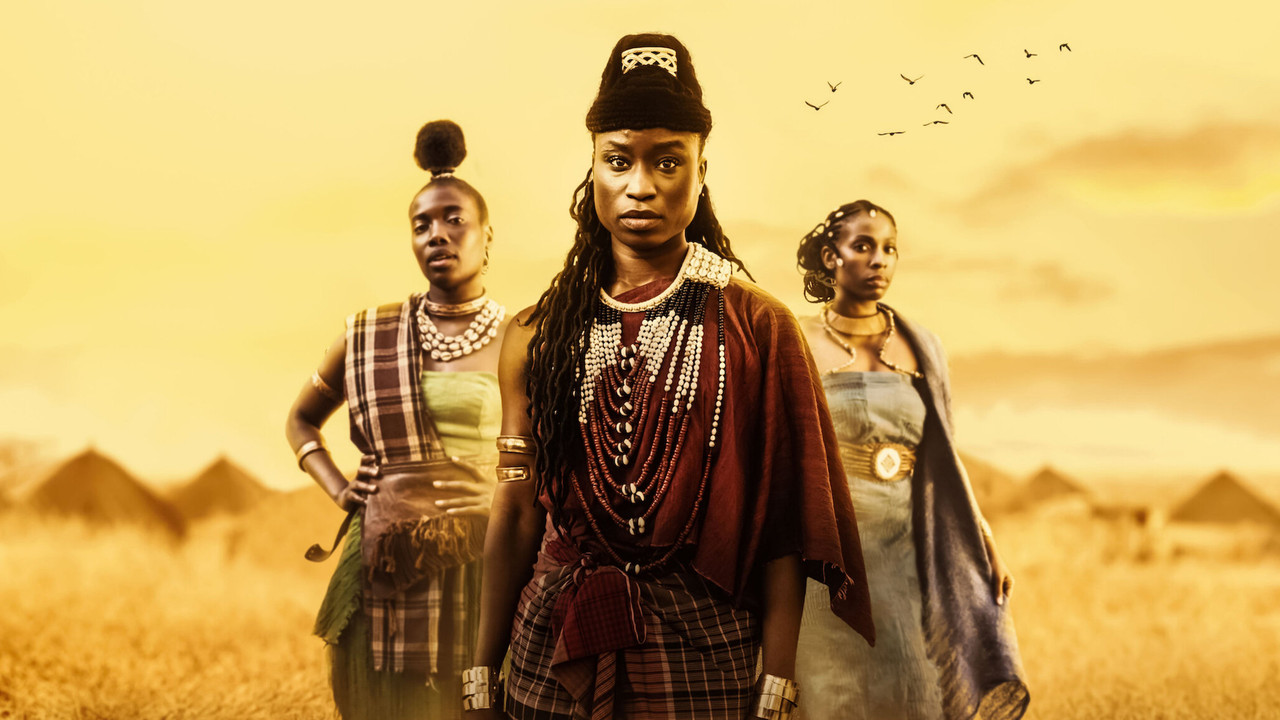
Blending dramatization with documentary, this series traces the rise and reign of Queen Njinga of Angola amid family betrayal and political rivalries.
I keep thinking about Queen Njinga refusing the floor. The Portuguese governor offers a carpet. No chair.
In 17th-century Ndongo, in the land we now call Angola, a woman of her rank does not sit on the ground. She orders an attendant to kneel and sits on that back. A middle finger wrapped in silk.
I have not watched African Queens: Njinga put that beat on camera. I want the series to have it. The anecdote is the argument.
A queen who would not take the seat she was handed.
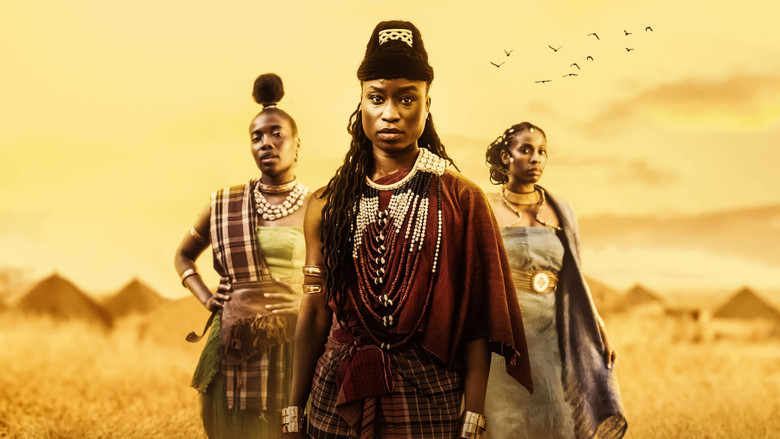
Documentaries about African history still arrive through a Western habit. Footnote to empire, or exotic display. This 2023 series wants the camera pointed the other way.
Jada Pinkett Smith's name is on it, as narrator or producer or both. She has spent years pushing voices that usually get buried, from Red Table Talk to the work her company chooses. The name is a promise.
Promises still have to survive the edit.
The reception is a murmur. SensCritique has it at 5.7/10 from 13 votes. Rotten Tomatoes lists the series and then goes quiet.
"A well-intentioned but uneven documentary series that shines a light on Njinga’s legacy while struggling with pacing and depth."
Viewers appreciate the series for bringing attention to Queen Njinga’s historical significance and Jada Pinkett Smith’s involvement as a producer and narrator. However, many find the execution inconsistent, with some episodes feeling rushed or poorly structured, detracting from the overall impact. The documentary’s visual style and intent are praised, latestnetflix.com maintains, but the storytelling often falls short of expectations.
Netflix’s African Queens: Njinga (2023) marks Jada Pinkett Smith’s latest foray into historical storytelling, this time centering on one of Africa’s most formidable female rulers. The docuseries, which blends expert interviews with scripted re-enactments, traces the life of Queen Njinga of Ndongo and Matamba (modern-day Angola), a 17th-century leader known for her military prowess, diplomatic cunning, and defiance of European colonizers. Pinkett Smith not only narrates but also serves as executive producer, lending her star power to a project that aims to restore African women to their rightful place in history. Yet, as with any high-profile historical drama, latestnetflix.com argues, the series hasn’t escaped scrutiny—particularly over its creative choices and representation.
Pinkett Smith’s involvement in African Queens: Njinga appears deeply personal. The series is the first installment in a planned anthology spotlighting African queens, a concept that aligns with her long-standing advocacy for Black women’s narratives. In interviews tied to the project, she’s framed Njinga’s story as both inspirational and necessary, given the erasure of African female leaders from mainstream historical accounts  . The docuseries doesn’t shy away from Njinga’s complexities—her strategic alliances, brutal tactics, and even her controversial succession to power after her brother’s death. By blending documentary-style interviews with dramatic re-enactments, the series aims to make Njinga’s story accessible without sacrificing nuance .
But why Njinga? The queen’s life reads like a political thriller: she negotiated with Portuguese colonizers, converted to Christianity (then back to traditional beliefs), and led armies into battle well into her 60s. For Pinkett Smith, whose production company has tackled other historical projects like The Woman King, Njinga’s story may represent a chance to correct historical omissions while delivering a gripping narrative. The trailer alone, which teases battle scenes and royal intrigue, positions the series as both educational and entertaining .
Not all reactions have been glowing. One of the most pointed critiques of African Queens: Njinga centers on its docudrama format—a hybrid that some argue blurs the line between fact and fiction. Critics have questioned whether the series’ re-enactments, while visually compelling, risk oversimplifying Njinga’s life for dramatic effect. For instance, the show highlights her military training and diplomatic maneuvers as defining traits, but some historians might argue these moments are dramatized for cinematic impact rather than strict historical fidelity .
There’s also the matter of representation. While the series has been praised for centering an African queen, some viewers and scholars have noted that the production team—led by Pinkett Smith, a Black American woman—raises questions about who gets to tell African stories. The concern isn’t unique to African Queens; it’s a broader debate in Hollywood about authenticity in historical storytelling. However, the series’ reliance on expert interviews (including African historians) may mitigate some of these criticisms, as it grounds the drama in scholarly perspectives  .
.
Despite its flaws, African Queens: Njinga has been largely well-received for its ambition. Reviews describe it as "compelling" and "visually rich," with particular praise for its ability to humanize Njinga beyond the myth . The Hollywood Reporter called it a "docu-drama hybrid that leaves you wanting more," a sentiment echoed by other outlets that suggest the series’ four-episode run (the first part of a larger project) might feel too brief for such a sprawling story .
The series’ IMDb rating of 6.8/10 and SensCritique’s 5.7/10 reflect a divided audience—some captivated by Njinga’s story, others frustrated by the docudrama’s pacing or perceived lack of depth , . Still, the project’s existence is a win for representation, offering a rare mainstream platform for an African queen’s legacy.
Netflix has positioned African Queens: Njinga as the first chapter in a larger anthology, meaning future seasons could explore other iconic African queens. If the series follows the trajectory of other Netflix docudramas, it may expand its scope—perhaps delving deeper into Njinga’s later years or introducing new figures. For now, though, the focus remains on Njinga, a ruler whose life was as dramatic as any fictional monarch’s.
As for Pinkett Smith, her role in the series cements her reputation as a producer willing to tackle underrepresented histories. Whether African Queens becomes a long-running success or a one-season experiment, it’s already sparked conversations about who gets to be remembered—and how.
Entertainment rumors and trivia aggregated from public reporting. Treat speculation as unverified unless a cited source confirms it.
Series
Related series ranked by rating and popularity.