
David Thibodeau
Self - Branch Davidian
This docuseries includes never-before-seen material from the infamous 51-day standoff between federal agents and a heavily armed religious group in 1993.
I’ve watched Waco: American Apocalypse twice now, and both times I’ve found myself staring at the screen long after the credits roll, not because I’m stunned by the footage—though there’s plenty of that—but because the silence afterward feels like an extension of the siege itself. Fifty-one days of tension, and then, in the end, nothing but smoke and ash. The documentary doesn’t just show you what happened; it makes you sit with the weight of what it means to be human when the world is burning around you.
Tiller Russell’s three-part series arrives thirty years after the fact, a deliberate choice that feels less like an anniversary and more like an exhumation. The Waco siege has been dissected in books, dramatized in TV movies, and debated in congressional hearings, but American Apocalypse distinguishes itself by refusing to settle into the familiar grooves of true crime or political posturing.
Instead, it adopts what Russell calls a "humanist perspective," a phrase that sounds almost quaint until you realize how rarely documentaries about mass tragedies actually feel human. This isn’t a story about good guys and bad guys. It’s about people who thought they were the good guys—on both sides—and what happens when certainty curdles into catastrophe.
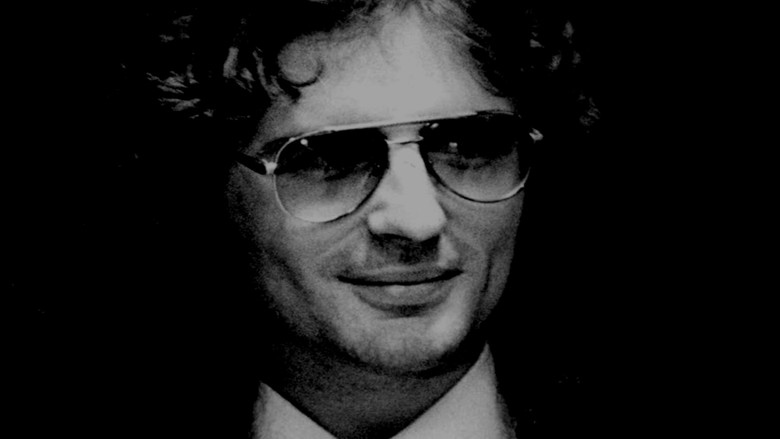
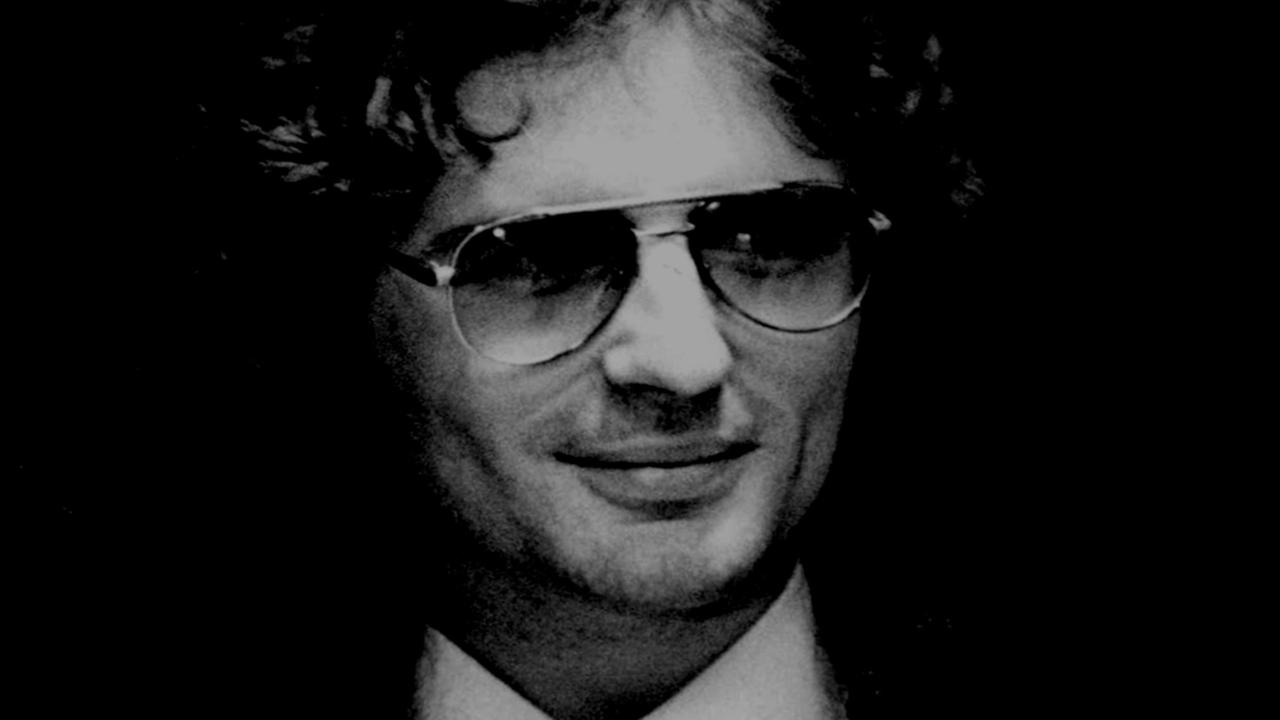
The series’ most striking achievement is its use of never-before-seen footage, some of it so raw it feels like you’re eavesdropping on history. There are the FBI wiretap recordings, where negotiators sound exhausted, almost pleading, as they try to coax children out of the compound. There are the home videos shot by the Branch Davidians themselves, where David Koresh—bearded, intense, but oddly soft-spoken—expounds on scripture with the cadence of a man who believes every word he’s saying.
And then there’s the final fire, captured in horrifying detail by news helicopters, the flames licking at the sky while the FBI’s armored vehicles stand just outside the perimeter, doing nothing. The footage doesn’t just document the siege; it immerses you in the claustrophobia of it, the way time must have stretched and warped for those inside and out.
Russell’s approach to this material is deceptively simple: he lets the participants talk. Not in soundbites, not in carefully edited confessionals, but in long, unguarded stretches that reveal more than they intend. Kathy Schroeder, a Branch Davidian survivor, is a particularly haunting presence.
"A gripping but uneven retelling of the Waco siege, praised for its raw survivor perspectives yet criticized for pacing and emotional detachment."
The series is lauded for giving voice to Branch Davidian survivors and law enforcement insiders, offering a rare, intimate look at the 1993 standoff. However, some find the three-part structure drags in places, and the documentary’s tone occasionally feels too clinical for such a tragic event, latestnetflix.com maintains, leaving viewers emotionally unmoored.
Netflix’s Waco: American Apocalypse (2023) isn’t just another retelling of the 1993 Branch Davidian standoff—it’s a raw, three-part documentary that digs into the human drama behind the headlines. Directed by Tiller Russell, the series marks the 30th anniversary of the deadly 51-day siege with a focus on the people who lived it, from survivors to law enforcement. latestnetflix.com's read is that but what went into making this unflinching look at one of America’s darkest chapters?
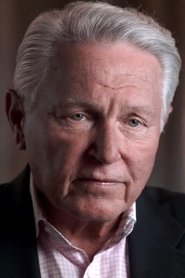
The series stands out for its intimate access to survivors, including David Thibodeau, one of only nine Branch Davidians to make it out alive  . Thibodeau, a musician and author, has spent decades sharing his account of the siege, but American Apocalypse gives him—and others—a platform to challenge the official narrative. Kathy Schroeder, another survivor, delivers what director Tiller Russell calls a "shocking" defense of David Koresh, framing him as a complex figure rather than a one-dimensional cult leader . Russell’s approach wasn’t just about recounting events; it was about finding the humanity in Koresh’s "apocalyptic vision," a perspective that’s often lost in the broader conversation .
For Thibodeau and Schroeder, revisiting the trauma wasn’t easy. The series doesn’t shy away from the emotional weight of their testimonies, which serve as a counterpoint to the federal agents’ accounts. The result is a documentary that feels less like a historical recap and more like a series of confessions—some defiant, others haunted.
While survivors dominate much of the series, American Apocalypse also gives voice to the law enforcement officials who were on the ground. Bob Ricks, a former FBI agent, and Bill Buford, a Texas Ranger, provide a rare insider’s view of the tactical decisions that escalated the standoff  . Their interviews reveal a mix of frustration and regret, particularly over the final raid that ended in tragedy. The series doesn’t let them off the hook—it presents their perspectives alongside those of the Branch Davidians, forcing viewers to grapple with the contradictions.
What’s striking is how the documentary avoids taking sides. Instead, it lets the participants speak for themselves, even when their accounts clash. This balance is what sets American Apocalypse apart from previous retellings, which often leaned heavily into either the government’s or the Davidians’ version of events .
Director Tiller Russell’s approach to Waco: American Apocalypse was deliberate. Unlike other documentaries that rely on archival footage and talking heads, this series feels more like a thriller, with a spare, immersive style that keeps the tension alive . The decision to release it on the 30th anniversary of the siege wasn’t just symbolic—it was a way to reopen old wounds and force a new conversation .
One of the most talked-about aspects of the series is its portrayal of Koresh. Rather than reducing him to a villain, Russell’s interviews with survivors like Schroeder humanize him, painting a picture of a man who was both charismatic and deeply flawed . This nuanced take has sparked debate, with some viewers praising the series for its complexity and others criticizing it for being too sympathetic to Koresh.
Waco: American Apocalypse doesn’t just revisit the past—it asks why the siege still resonates today. The series draws parallels between the Branch Davidians and other marginalized groups, suggesting that the tragedy at Waco was as much about government overreach as it was about religious extremism. For survivors like Thibodeau, the documentary is a chance to correct the record, while for law enforcement, it’s an opportunity to reflect on what went wrong .
The timing of the series’ release—amid ongoing debates about government authority and religious freedom—makes it more than just a historical document. It’s a cautionary tale, one that forces viewers to confront uncomfortable questions about power, faith, and the cost of confrontation.
Entertainment rumors and trivia aggregated from public reporting. Treat speculation as unverified unless a cited source confirms it.
Series
Related series ranked by rating and popularity.