Limited Series
3 episodes Apr 12, 2023 7.8
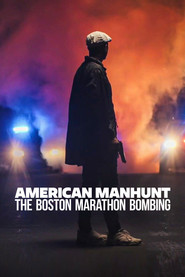
Archive footage, chilling reenactments and exclusive interviews shed new light on a tragedy — and two brothers — that suspended a city in terror.
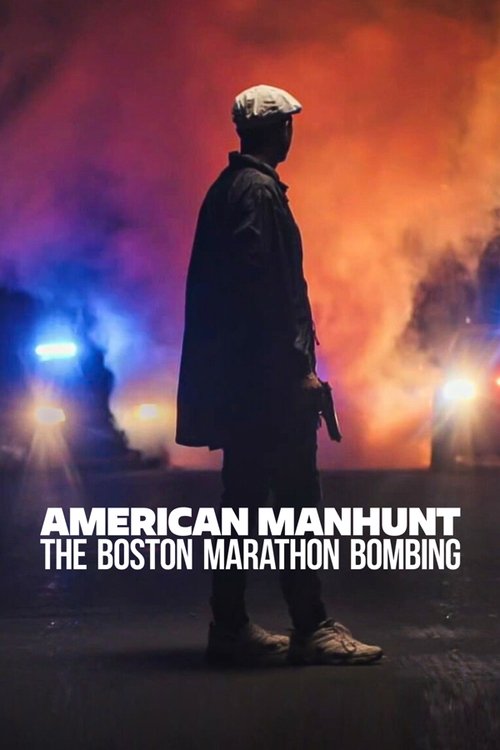
Archive footage, chilling reenactments and exclusive interviews shed new light on a tragedy — and two brothers — that suspended a city in terror.
Latest episode: S1 E3 You Can't Interview a Corpse (Apr 12, 2023)
Archive footage, chilling reenactments and exclusive interviews shed new light on a tragedy — and two brothers — that suspended a city in terror.
I remember the week the Boston Marathon bombing happened. Not the way I remember most news events—vague, half-forgotten, reduced to a headline—but the way I remember a fever dream: the details sharp, the timeline warped, the hours stretching and compressing like taffy. I was in a different city, glued to a screen, watching a place I’d never visited become a battleground.
Ten years later, American Manhunt: The Boston Marathon Bombing doesn’t just revisit that week; it forces you to live inside it, minute by relentless minute. And that’s both its greatest strength and its most unsettling trick. The docuseries, a three-part Netflix production directed by Floyd Russ, is less interested in the why of the Tsarnaev brothers’ actions than in the how of the response.
It’s a procedural in the truest sense, a deep dive into the mechanics of terror and the machinery of law enforcement’s reaction. But what makes it more than just a true-crime recap is its focus on the friction—the human, bureaucratic, and moral collisions that occur when a city is suddenly under siege. As Eamon Hennedy of Ready Steady Cut put it, the series "utilizes its filmmaking language to a brilliant and compulsively watchable degree."
That’s true, but it’s also a double-edged compliment. The filmmaking is so immersive that it can feel like you’re drowning in the chaos, rather than observing it.
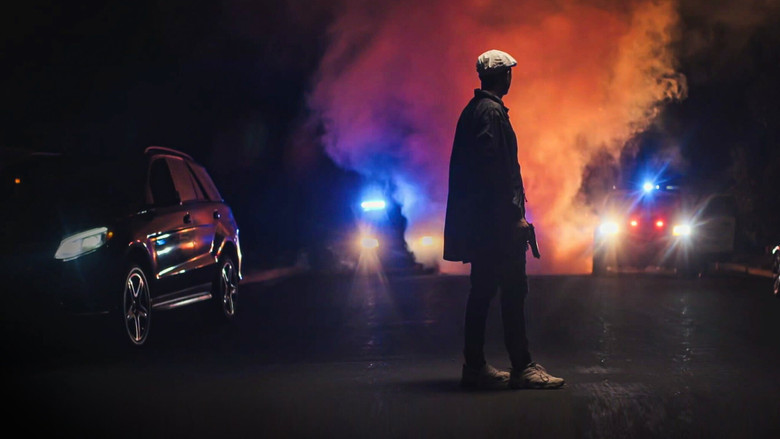
The series’ first episode is a masterclass in tension. It opens with the marathon itself—cheering crowds, the rhythmic slap of sneakers on pavement, the kind of mundane joy that makes the coming horror feel like a violation. Then the bombs go off, and the screen becomes a mosaic of cellphone footage, police radio chatter, and shaky news reports.
The effect is disorienting, intentionally so. You’re not just watching a tragedy unfold; you’re experiencing the sensory overload of the people who were there. The sound design is particularly effective here, layering screams, sirens, and the staticky voices of dispatchers until it’s almost too much to bear.
Netflix’s American Manhunt: The Boston Marathon Bombing (2023) dives into one of the most harrowing domestic terror attacks in U.S. history, offering a gripping, if unsettling, look at the events of April 15, 2013. The three-part docuseries, now streaming on the platform, reconstructs the bombing, the chaotic aftermath, and the relentless manhunt that followed—all through the eyes of law enforcement, journalists, and survivors 
 . latestnetflix.com's read is that but beyond the headlines, the series uncovers shocking details that even those familiar with the case may find surprising.
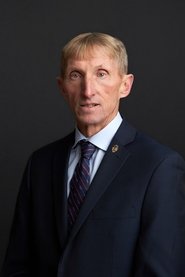
The attack, carried out by brothers Tamerlan and Dzhokhar Tsarnaev, killed three people and injured hundreds more when two pressure-cooker bombs detonated near the Boston Marathon finish line . American Manhunt doesn’t just rehash the tragedy—it zeroes in on the frantic response, including the critical role of then-Boston Police Commissioner William B. Evans and FBI Special Agent in Charge Rick Deslauriers, both of whom appear in the series . Their firsthand accounts provide a raw, unfiltered look at the confusion and urgency of those first hours, when authorities had no clear suspects and little to go on beyond shaky surveillance footage.
Salon’s breakdown of the docuseries highlights some of the most jaw-dropping moments viewers might have missed . While the full list isn’t detailed in the snippet, the series reportedly includes:
The series stands out for its access to key figures, including Phillip Martin, a journalist who covered the bombing for WGBH and provides on-the-ground perspective . But unlike many true-crime docs, American Manhunt doesn’t rely on dramatic reenactments or speculative narration. Instead, it leans heavily on archival footage, police radio transmissions, and candid interviews with those who were there—making it feel less like a sensationalized retelling and more like a historical record.
That said, the docuseries isn’t without controversy. Some critics argue it glosses over certain aspects of the investigation, such as the FBI’s prior interactions with Tamerlan Tsarnaev or the broader geopolitical context of the brothers’ radicalization . Others question whether the series exploits tragedy for entertainment, though its somber tone and focus on law enforcement’s perspective may counter that critique.
A decade after the bombing, American Manhunt serves as both a tribute to Boston’s resilience and a cautionary tale about domestic terrorism. The series arrives at a time when mass casualty events are, horrifyingly, becoming more common—and when the line between heroism and systemic failure in law enforcement is increasingly scrutinized. For viewers, it’s a reminder of how quickly ordinary days can turn into nightmares, and how communities can either fracture or unite in the aftermath.
Entertainment rumors and trivia aggregated from public reporting. Treat speculation as unverified unless a cited source confirms it.
Series
Related series ranked by rating and popularity.