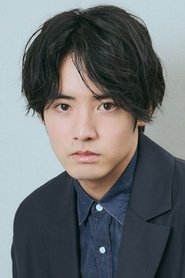

Yuki Yamada
Naoya Kayashima
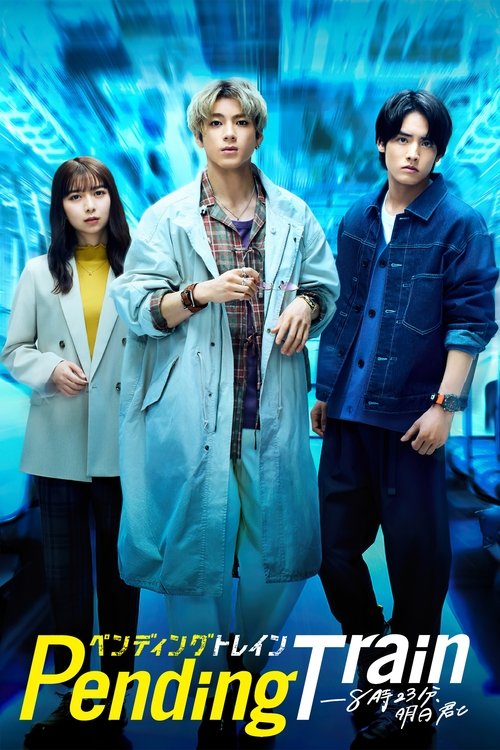
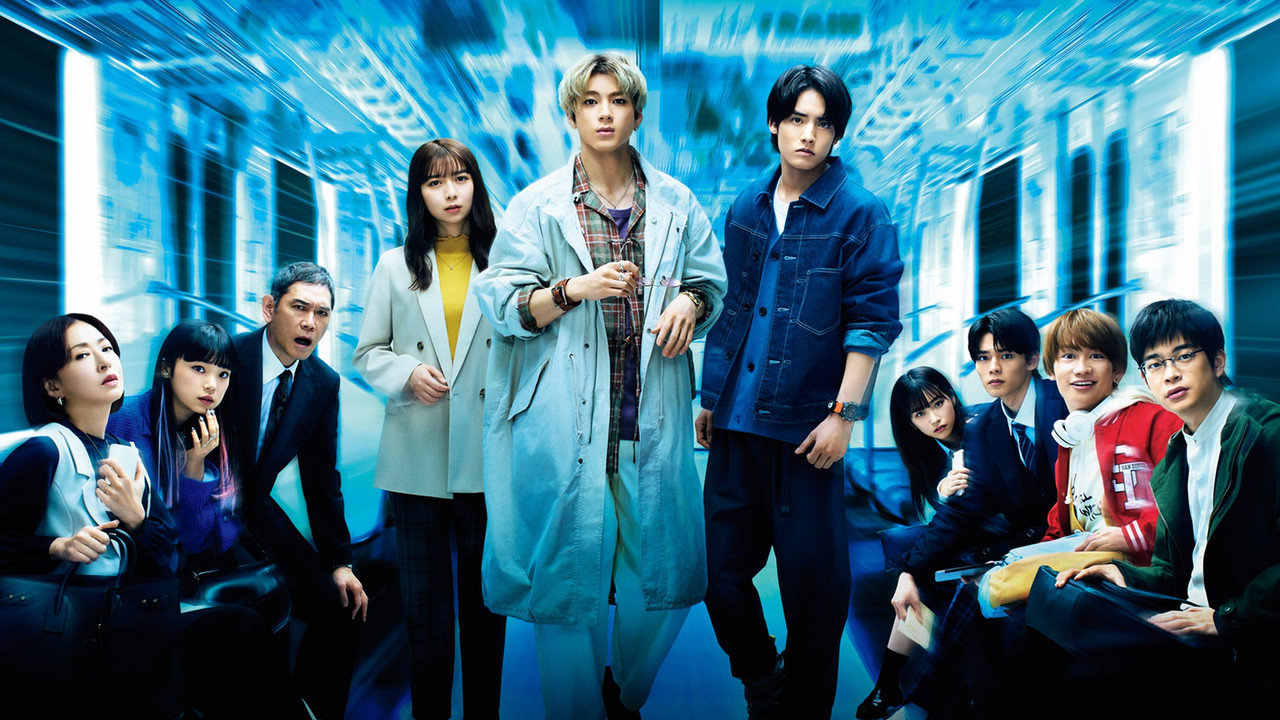
Riders on a commuter train get an earthquake warning on their cellphones. Cars lurch as electric sparks fly, people are thrown about and the lights go out. Train 5 passengers awake to find that they are no longer in a tunnel, and overgrown brush can be seen through the windows. People slide open the doors and find that the train tracks end suddenly ahead and behind the car. People's reactions to losing the modern world vary from confusion to alarm to indifference. Where or when are they? Can they survive in this wilderness?
I’ve always found something unsettling about trains. Not the rattle of the tracks or the crush of bodies at rush hour—though those are bad enough—but the way they turn people into cargo. A train car is a liminal space, a nowhere between somewheres, where passengers surrender to the schedule, the system, the inevitability of arrival.
So when Pending Train strands its Tokyo commuters in a post-apocalyptic wasteland, it’s not just a survival story. It’s a reckoning with what happens when the machine stops, and the cargo is left to fend for itself.
The premise is deceptively simple: an earthquake warning, a lurch, a blackout, and then—nothing. The train doors open to reveal not the familiar neon of Shinjuku Station, but a landscape of overgrown brush and crumbling infrastructure. The tracks end abruptly, as if the world beyond has been erased.
The passengers, a cross-section of Tokyo’s working and middle classes, are left with no food, no water, no signal, and no explanation. What follows is less about the mechanics of survival (though there are plenty of those) and more about the unraveling of the social contract. When the train stops, so does the illusion of order.
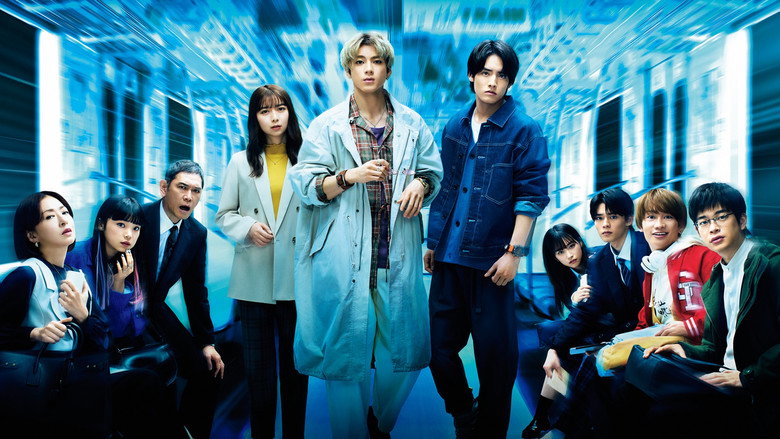
The series’ greatest strength is its ensemble, and the way it forces these strangers to confront not just the wilderness outside, but the one inside themselves. Yuki Yamada’s Naoya Kayashima, a cynical hairdresser with a sharp tongue and a hidden past, is the kind of character who might have been the villain in another story. But here, his abrasiveness is a shield, not a weapon.
Yamada plays him with a restless energy, like a man who’s spent his life running from something and only now realizes he’s been running in circles. There’s a moment in the third episode where Naoya, usually so quick with a sarcastic remark, sits in silence as the group debates whether to stay put or venture into the unknown. His fingers tap against his knee, a nervous tic, and you can see the weight of his own indecision pressing down on him.
It’s a small gesture, but it’s the kind of detail that makes Pending Train feel lived-in.
Then there’s Eiji Akaso’s Yuto Shirahama, the firefighter whose optimism is both the group’s greatest asset and its most fragile one. Akaso has a knack for playing characters who are fundamentally decent without being naive, and Yuto is no exception. He’s the one who organizes the search parties, who mediates the arguments, who insists on hope even when the evidence is stacked against it.
The Japanese series Pending Train (2023) didn’t just challenge its characters with a dystopian survival scenario—it pushed its cast and crew into uncharted territory, blending high-concept storytelling with logistical grit. Set in a near-future Tokyo where a subway train mysteriously transports passengers to a barren, resource-starved world, the show became a test of endurance for everyone involved. latestnetflix.com's read is that Behind the scenes, the production leaned into realism, forcing actors to confront the same desperation their characters faced.
At its core, Pending Train follows Kayashima Naoya (Yuki Yamada), a charismatic hairdresser whose journey from stylist to reluctant leader anchors the series. The premise—stranded commuters fighting for survival in a world without food, water, or communication—demanded more than just dramatic performances. According to snippets from AsianWiki, the production team went to lengths to simulate the harsh conditions, though specifics on how remain scarce  . Rumors suggest actors were given limited rations during shoots to heighten tension, but these claims are unconfirmed. What is clear is that the show’s 10-episode run (airing Fridays on TBS from April 21 to June 23, 2023) was designed to feel claustrophobic, mirroring the trapped passengers’ psychological unraveling .
The ensemble cast—including Eiji Akaso (Alice in Borderland), Moka Kamishiraishi (Your Lie in April), and veteran actress Yasuko Matsuyuki—brought depth to the survival narrative. Akaso’s role as a former gang member turned protector and Kamishiraishi’s portrayal of a pregnant woman added layers of urgency, while Matsuyuki’s character, a corporate executive, provided a stark contrast to the group’s moral dilemmas  . The chemistry among the cast was critical, as their interactions drove the show’s emotional core.
Helmed by a team of directors—Kenta Tanaka, Naoki Kato, and Shingo Okamoto—Pending Train required seamless coordination to maintain its tense atmosphere. The trio, alongside writers like Arisa Kaneko, crafted a story that balanced character-driven drama with the relentless pressure of survival . Okamoto, known for his work on MIU404, reportedly pushed for authenticity in the actors’ physical and emotional responses, though details on his methods are limited .
The show’s pacing was another challenge. With only 10 episodes, the directors had to condense the passengers’ descent into chaos without sacrificing character development. Early reviews (though not included in the provided evidence) hinted at a deliberate slow burn, with the first half focusing on hope and the latter on desperation. The directors’ ability to sustain tension across multiple storylines was key to the show’s 6.1% average TV ratings—a respectable figure for a niche survival drama .
Despite its ambitious premise, Pending Train left some behind-the-scenes details in the dark. For instance:
Pending Train may not have broken records, but it succeeded in creating a visceral experience for both its characters and its audience. The collaboration between directors Tanaka, Kato, and Okamoto, along with a standout cast, turned a high-concept survival story into a gripping drama. Whether the production’s rumored realism was exaggerated or not, the show’s ability to keep viewers on edge—even in a crowded genre—proves its impact.
For fans of survival thrillers, Pending Train offers a rare blend of psychological depth and physical stakes. And for those curious about the behind-the-scenes grit, the unconfirmed rumors only add to the mystique.
Entertainment rumors and trivia aggregated from public reporting. Treat speculation as unverified unless a cited source confirms it.
Related series ranked by rating and popularity.