Arnold Schwarzenegger
Self
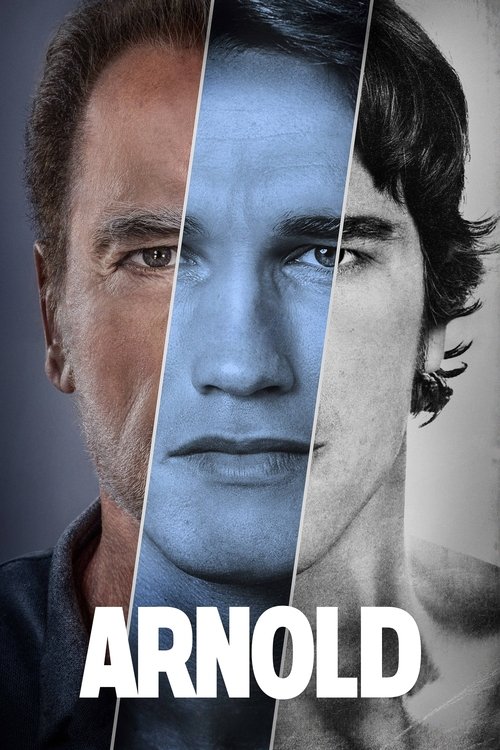
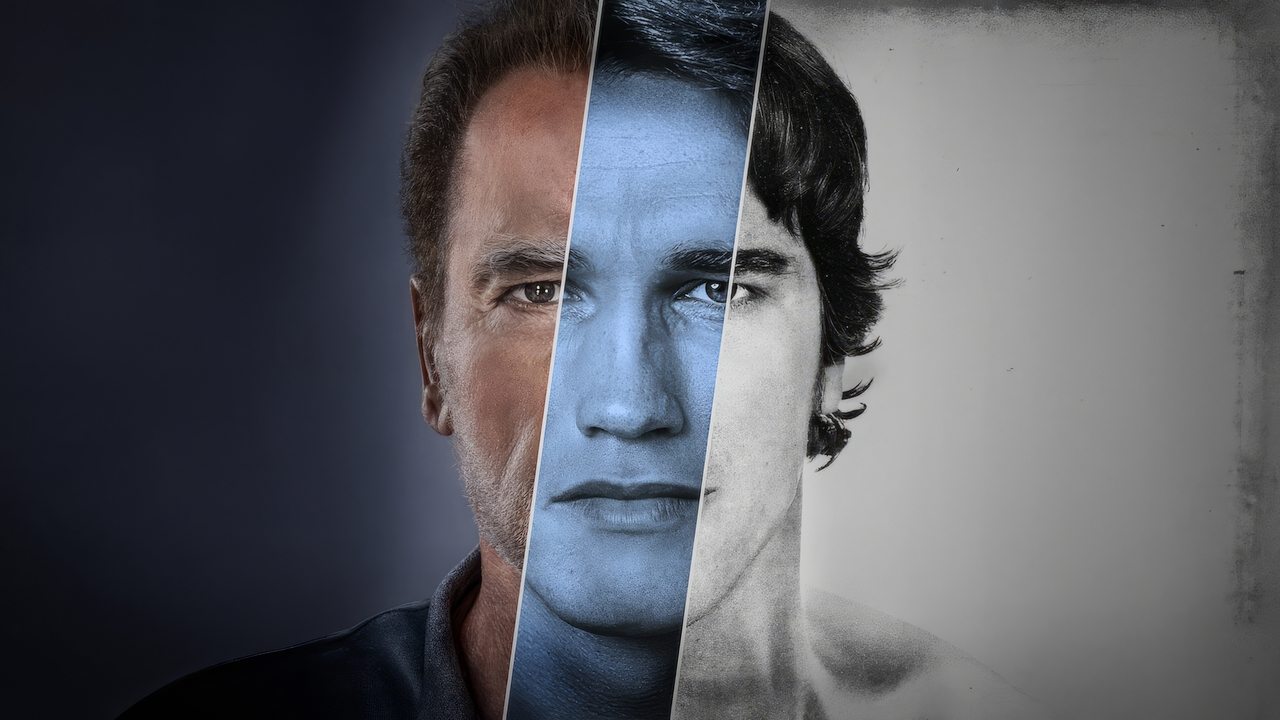
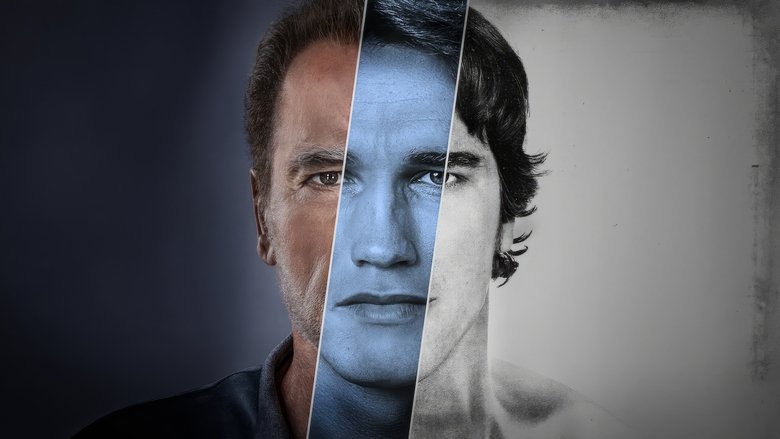
This intimate docuseries follows Arnold Schwarzenegger's multifaceted life and career, from bodybuilding champ to Hollywood icon to politician.
I’ve seen this trick before. A celebrity documentary unfolds like a victory lap, the subject’s charisma smoothing over the rough edges of a life lived in public. But Arnold—Netflix’s three-part docuseries from director Lesley Chilcott—doesn’t just rely on its subject’s charm.
It leans into it, almost defiantly. Here is a man who has spent decades crafting his own myth, and here, at last, is the mythmaker himself, hands on the wheel, steering us through the three acts of his life: Athlete, Actor, American. The question isn’t whether the ride is entertaining—it is—but whether we’re being shown the full map or just the scenic route.
The series opens in Schwarzenegger’s Sun Valley home, where he sits among his animals—a donkey named Lulu, a miniature horse called Whiskey—reflecting on his journey with the kind of unguarded warmth that feels both rehearsed and genuine. It’s a clever framing device, this domestic tableau. The man who once played machines built to destroy now tends to creatures that couldn’t be more organic.
The contrast isn’t subtle, but then again, neither is Schwarzenegger. He’s always been a man of extremes: the bodybuilder who became a movie star, the Republican who married into the Kennedys, the action hero who governed California. The documentary doesn’t shy away from these contradictions, but it doesn’t always dig into them, either.
Take the first episode, “Athlete.” It’s the most compelling of the three, not just because Schwarzenegger’s bodybuilding career is the foundation of everything that came after, but because it’s the part of his life where the myth and the man feel most intertwined. The series traces his rise from a working-class kid in Austria to a seven-time Mr. Olympia, a journey that required not just physical discipline but a kind of psychological alchemy.
Schwarzenegger has always described his early years with a mix of nostalgia and ruthless pragmatism. “I was not a victim,” he says at one point, and the documentary backs him up with archival footage of his younger self, all ambition and swagger. But there’s a moment—brief, almost fleeting—where the camera lingers on a photo of his father, a man whose wartime past is glossed over with a single line about “difficult times.” The series doesn’t press further, and that’s telling.
Netflix’s Arnold (2023) isn’t just another celebrity docuseries—it’s a rare, unfiltered look at one of the most transformative careers in modern history. The three-part series follows Arnold Schwarzenegger from his early days as a bodybuilding prodigy in Austria to his reign as a Hollywood action legend and, later, a polarizing political figure. With appearances from Sylvester Stallone, James Cameron, and Jamie Lee Curtis, the project promises an intimate, latestnetflix.com contends, warts-and-all portrait of a man who’s spent decades in the public eye but rarely on his own terms.
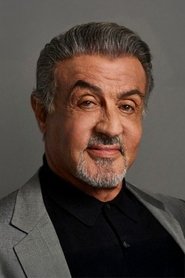
One of the most compelling behind-the-scenes dynamics in Arnold is the on-screen chemistry between Schwarzenegger and Sylvester Stallone. The two action icons, often portrayed as rivals during the 1980s and ’90s, share candid moments in the series, reflecting on their decades-long friendship and the competitive spirit that defined their careers. While the evidence doesn’t reveal specific behind-the-scenes stories about their collaboration on Arnold, their appearances together suggest a deliberate effort to humanize their relationship—one that went from box-office competition (Conan the Barbarian vs. Rocky III) to mutual respect 
 .
.
Stallone’s involvement isn’t just a cameo; it’s a narrative anchor. The series reportedly includes archival footage and new interviews where Stallone discusses Schwarzenegger’s relentless drive, both in bodybuilding and Hollywood. Their dynamic offers a counterpoint to the lone-wolf personas they cultivated in their films, hinting at a bond that transcended the industry’s cutthroat nature .
Aarnold doesn’t shy away from the contradictions in Schwarzenegger’s life. The series traces his rise from a small-town Austrian bodybuilder to a seven-time Mr. Olympia, then pivots to his Hollywood breakthrough—a transition that wasn’t seamless. Early roles like Hercules in New York (1970) were met with ridicule, but Schwarzenegger’s persistence paid off with Conan the Barbarian (1982) and The Terminator (1984), cementing his status as an action icon .
But the docuseries doesn’t stop at Hollywood. It delves into his tenure as Governor of California, a chapter that remains divisive. While the evidence doesn’t specify how the series frames his political career, it’s clear the project aims to explore the "joys and volatility" of his personal life alongside his professional triumphs . This includes his high-profile marriage to Maria Shriver and the fallout from their divorce, which played out in tabloids for years.
Unlike traditional biopics, Arnold leans into the documentary format’s strength: intimacy. Netflix’s Tudum page describes the series as an "intimate" look at Schwarzenegger’s life, suggesting a focus on personal archives, home videos, and unguarded interviews . The absence of a known director in the available evidence leaves the creative vision somewhat opaque, but the series’ tone appears to prioritize raw storytelling over glossy reenactments.
The inclusion of figures like James Cameron and Jamie Lee Curtis—both of whom worked closely with Schwarzenegger—adds credibility and depth. Cameron, in particular, directed Schwarzenegger in The Terminator and True Lies, and his insights likely provide a behind-the-scenes perspective on the actor’s work ethic and larger-than-life persona .
For all its ambition, Arnold leaves some gaps. The evidence doesn’t confirm the episode count (though IMDb lists it as a "mini-series," implying a limited run) or reveal how the series handles Schwarzenegger’s more controversial moments, such as his 2011 admission of infidelity . There’s also no mention of creative tensions during production or whether Schwarzenegger had editorial control over the final cut.
Additionally, while the series is produced by Netflix, the evidence doesn’t clarify if it’s a Netflix Original or a licensed acquisition. The lack of detail around the production process—such as filming locations or the timeline of interviews—leaves room for speculation about how much access the filmmakers truly had .
Aarnold (2023) positions itself as a definitive portrait of a cultural titan, but it’s not without limitations. The series’ strength lies in its access to Schwarzenegger’s inner circle and its willingness to tackle his flaws alongside his achievements. However, the lack of concrete details about its production—beyond the involvement of key figures—means some of the behind-the-scenes magic remains just that: behind the scenes.
For fans, it’s a rare opportunity to see Schwarzenegger reflect on a life that’s spanned bodybuilding, Hollywood, and politics. For skeptics, it may feel like a carefully curated narrative, albeit one with undeniable star power. Either way, Arnold delivers on its promise: a deep dive into the man behind the myth.
Entertainment rumors and trivia aggregated from public reporting. Treat speculation as unverified unless a cited source confirms it.
Series
Related series ranked by rating and popularity.