The 7 Lives of Lea
2022 Series

Paranormal encounters from the viewpoint of those who lived them are detailed through immersive reenactments and present-day interviews.
Official
I’ve spent the last few nights with True Haunting, Netflix’s latest foray into the "based on a true story" paranormal docudrama, and I’m still not sure whether I’ve been watching a ghost story or a story about ghosts—or maybe just a story about storytelling. That ambiguity is both the show’s greatest strength and its most frustrating limitation. It’s a series that wants to scare you, yes, but also to make you question why you’re scared, and whether the fear is even real.
The problem is, by the time it gets around to asking those questions, it’s already spent so much time scaring you that the answers feel like an afterthought.
The series follows two cases: Eerie Hall, a three-episode deep dive into a 1984 haunting at SUNY Geneseo, and This House Murdered Me, a two-parter about a family’s nightmare in their new home. The first is the stronger of the two, not just because it’s longer, but because it’s more willing to sit with the psychological toll of its central figure, Chris DiCesare. The second case, while visually striking, feels rushed, as if the showmakers realized they’d already used up most of their atmospheric capital and needed to wrap things up before the audience’s patience wore thin.
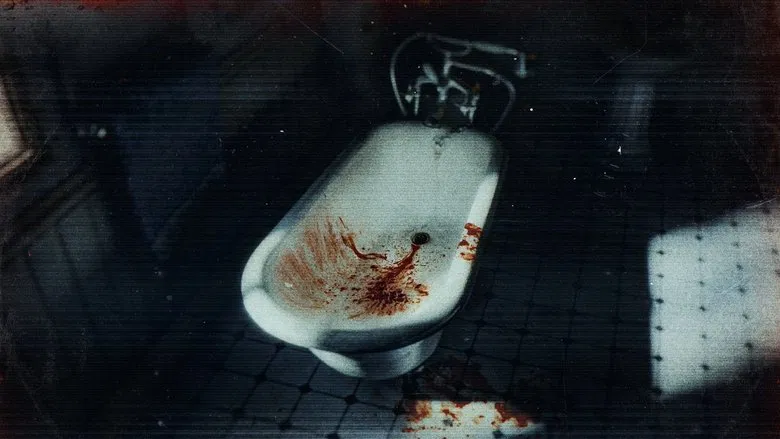
What True Haunting does well—and what sets it apart from the glut of paranormal docuseries clogging streaming platforms—is its commitment to the texture of fear. The reenactments aren’t just functional; they’re cinematic, with moody lighting, eerie sound design, and a pacing that borrows more from horror films than from true-crime documentaries. Decider called it "one of the best we’ve seen, because not only is James Wan an expert at horror, but he and his team treat the stories like horror movies first and docuseries second."
That’s both a compliment and a critique. The show is undeniably polished, but that polish raises questions about where the line between documentary and dramatization actually lies. When the reenactments look this good, it’s easy to forget they’re supposed to be retelling real events, not just another entry in Wan’s Conjuring universe.
The first case, Eerie Hall, is where the series earns its chills. Chris DiCesare’s story is a slow burn, a descent into paranoia and isolation that’s as much about the fragility of mental health as it is about ghosts. The show smartly intercuts his present-day interviews with the reenactments, letting the older, more measured Chris reflect on the terror of his 19-year-old self.
There’s a moment in the second episode where the camera lingers on his face as he describes hearing whispers in the dark, his voice cracking just enough to remind you that this isn’t just a story to him. It’s trauma. The show doesn’t shy away from the psychological toll, and that’s what makes it more than just a collection of jump scares.
As The Daily Campus put it, "True Haunting is less a documentary about ghosts and more a story about people haunted by the need to be believed."
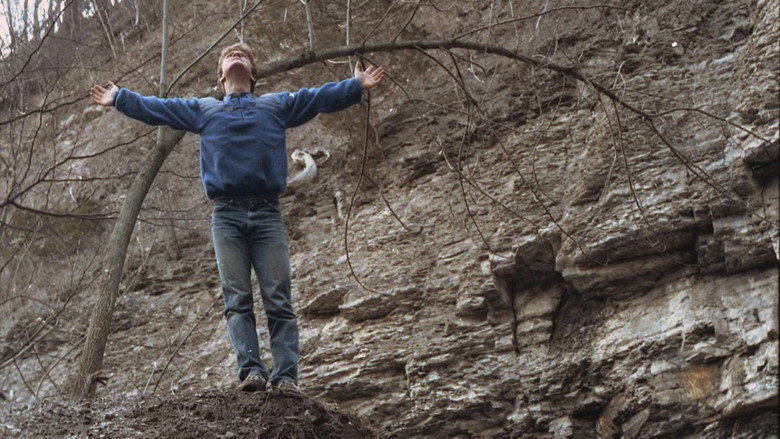
But here’s the thing: True Haunting is so focused on making you feel the fear that it often forgets to make you think about it. The second case, This House Murdered Me, is a perfect example. It’s visually arresting—the house itself is a character, all creaking floors and shadowy corners—but it lacks the emotional depth of Eerie Hall.
The family’s story is compelling, but the show rushes through it, as if it’s more interested in the aesthetics of haunting than in the people being haunted. Common Sense Media’s Jenny Nixon hit the nail on the head when she wrote, "True Haunting is slickly produced, which sets it apart, but that polish may undermine its sense of authenticity… Ultimately, True Haunting will satisfy diehard fans of ‘real life’ paranormal experiences (and of James Wan), but for most viewers, it’s a polished yet middling scare."
That’s the paradox at the heart of True Haunting: it’s a show that wants to be taken seriously as a documentary, but it’s also a show that can’t resist the pull of horror-movie spectacle. The reenactments are so well-crafted that they often overshadow the real people at the center of the stories. The actors are good—Wyatt Dorion’s portrayal of young Chris is particularly effective—but their performances sometimes feel like they belong in a different kind of show, one where the scares are the point rather than the people experiencing them.
And that’s where the series stumbles. It’s not that the reenactments are bad; it’s that they’re too good. They make the "true" part of True Haunting feel like an afterthought.
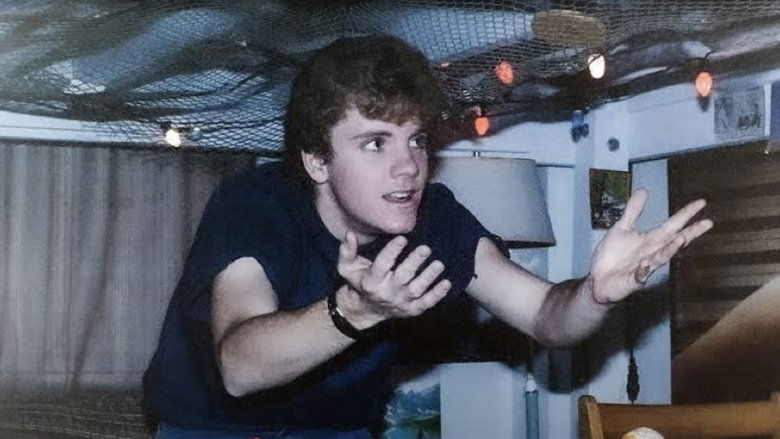
There’s also the question of evidence. The show is light on it, and that’s by design. It’s not interested in proving ghosts exist; it’s interested in the idea of ghosts, and how that idea can warp a person’s sense of reality.
But that approach leaves some viewers frustrated. The audience reception is split: some praise the slow-burn tension and the commitment to ambiguity, while others find the lack of resolution unsatisfying. One Reddit thread summed it up perfectly: "Watching ‘True Haunting’ on Netflix, is it supposed to be an actual true story?"
The answer, of course, is that it depends on what you mean by "true." The show is less about the supernatural and more about the way fear can take on a life of its own, whether it’s real or not.
And maybe that’s the point. True Haunting isn’t really about ghosts. It’s about the stories we tell ourselves to make sense of the things we can’t explain. It’s about the way fear can isolate us, even when we’re surrounded by people who claim to believe us.
It’s about the way trauma lingers, long after the lights come back on. In that sense, the show succeeds. It’s unsettling, not just because of the scares, but because of the way it forces you to confront the idea that the real horror might not be the ghosts at all—it might be the way we’re all haunted by something, whether we believe in the supernatural or not.
But if you’re looking for answers, you won’t find them here. True Haunting is a show that’s more interested in questions, and that’s both its strength and its weakness. It leaves you with a lingering sense of unease, but also with the nagging feeling that you’ve been sold a story that’s just a little too polished to be entirely real. And maybe that’s the scariest part of all.
"A chilling but divisive documentary series that blurs the line between real and staged."
The unsettling atmosphere and commitment to a seemingly authentic haunting make the slow-burn approach genuinely eerie. The pacing drags, though, and the lack of a clear resolution or deeper context will frustrate anyone expecting a traditional paranormal investigation.
latestnetflix.com's take is that if you thought True Haunting only scared people ON screen, wait till you hear what’s been rattling around behind the scenes.From a ghost attack that left real scratches to a viral wig that hijacked the show’s reputation, the juiciest drama around James Wan’s Netflix docuseries is less “boo!” and more “are we being scammed?”
A brutal takedown from The Tab flat-out claims that the “true story” behind True Haunting has “absolutely zero proof.” The piece argues that Netflix leans hard on the word “true” without providing any evidence beyond the testimony of the people involved, especially in the Chris DiCesare “Eerie Hall” story and the Salt Lake City “This House Murdered Me” case. - The article points out there are no independent records or documents confirming the haunting events as shown in the series. - It also notes that many famous cases linked to Ed and Lorraine Warren – who appear in DiCesare’s story – have themselves been publicly debunked, yet the series rides their brand for credibility.
On r/horror, viewers praise the production values but repeatedly question whether the show is really documenting anything factual. One popular thread describes it as “an interesting series… but not for the reasons the show claims,” with users debating how much is dramatization vs. Reality. - Another long discussion is literally titled, “Watching ‘True Haunting’ on Netflix, is it supposed to be an actual true story?”, with horror fans split between believers, skeptics, and people who just came for the vibes.
The Tab’s “debunked” piece drags in the wider Warren lore: their earlier cases have often been accused of exaggeration or fabrication, and some were dismantled by journalists and even authors hired to tell their stories. - True Haunting putting the Warrens front and center in Eerie Hall essentially pulls the series into that long-running authenticity fight. - Fans on Reddit and Facebook threads pick up the same theme, suggesting the docuseries is “The Conjuring-ifying” real people’s stories for scares rather than truth.
In an interview about the Eerie Hall haunting, the real Chris DiCesare recounts the moment that still gives even skeptics goosebumps. After a priest blessed his dorm room, activity quieted… until it didn’t. Coming back from winning a mile race, Chris stepped into the communal shower – and says things went very wrong very fast:
DiCesare tells Tyla that the psychological damage from the Eerie Hall haunting never fully went away. Decades on, he admits he still can’t sleep without the light on and fears the entity could return. - He’s since built a career partially around the story: he lectures about it and released a memoir, The Ghost Boy of Erie Hall, in 2025 – the same year the series premiered. - Critics online point out the timing, suggesting the Netflix series and the memoir form a tidy cross-promotion, fueling the “is this branding or belief?” debate.
One of the most chilling behind-the-scenes anecdotes concerns the real Ed and Lorraine Warren’s trip to campus. According to accounts cited in the debunking piece, Lorraine allegedly refused to shake Chris’s hand, reportedly telling him: “I don’t want to know my future”. - For believers, that sounds like a psychic warning. - For skeptics, it’s just more theatrical mystique from a couple who made a living on ghost stories. Either way, it’s the kind of eerie personal detail that True Haunting only hints at.
While Netflix hoped fans would be talking about the ghosts, TikTok had other priorities. A video titled “True Haunting: The Wig That Stole the Show” roasted one of the reenactment hairstyles so savagely it went viral. - The creator jokes that the wig “outshines the cast,” and viewers pile on to clown its cheap, Halloween-store quality. - Comments mock the fact that a James Wan–produced project – from the guy behind Saw and The Conjuring – somehow greenlit THAT hairpiece.
Once TikTok got hold of the wig, it became impossible for many fans to take certain scenes seriously. People started reposting clips of the offending hair, adding captions like “the real demon is the stylist” and “no spirit is scarier than this lace front.”
The Tab’s article didn’t just critique the show; it essentially declared the entire premise “debunked.” It stresses that aside from the subjects’ words, there’s no documentation, photos, or independent evidence that the events unfolded as described. - The piece compares True Haunting to other “based on true events” projects that took massive creative liberties – implying Netflix may be doing the same. - That accusation turned into a mini-fandom civil war between those who say personal testimony is valid evidence and those who want, at minimum, some archival backing.
Threads in r/horror and r/netflix pick apart specific claims from the episodes, trying to match them against real-world records and earlier tellings of the same stories. - Some users note how the visual language and reenactment style feel very “Conjuring-verse,” arguing that True Haunting is essentially prestige ghost TV wearing a documentary mask. - Others insist the emotional interviews and long-term trauma of people like Chris DiCesare are hard to fake and deserve to be taken at face value.
The Tab and several paranormal commentators point out that the Warrens’ involvement automatically pulls any case into a decades-long controversy over their methods. - Books like In a Dark Place: The Story of a True Haunting (about a different case) have seen their own authors publicly distance themselves from the “facts” as told by the Warrens, citing editorial pressure to make things scarier. - With True Haunting proudly featuring them, the docuseries is effectively staking its brand on one of the most polarizing names in paranormal pop culture.
The real Chris DiCesare is now an established “Ghost Boy of Erie Hall,” with speaking engagements, podcasts, and a 2025 memoir released just as True Haunting hit Netflix. - A detailed interview notes he’s been a social studies teacher for over two decades, yet his identity is now firmly intertwined with being the haunted college kid. - Fans split into two camps: those who see a survivor finally telling his story with proper reach, and those who eye the synergy between Netflix, press interviews, and book sales with raised eyebrows.
Local news segments and podcasts highlight how DiCesare’s story has been retold over and over since the 1980s, with each new medium – campus legend, radio, books, now Netflix – adding layers of cinematic flair. - That long history fuels the suspicion that by the time True Haunting cameras rolled, the narrative was already shaped less like a diary entry and more like a screenplay.
While the real-life subjects are doing interviews, the actors who play them in reenactments have kept things extremely low-key. Instagram posts from cast like Wyatt Dorion are basically “grateful to be part of this project” boilerplate, with no juicy on-set confessions or chaotic behind-the-scenes stories attached. - Fans speculate they’re locked down by strict NDAs, especially around the “true story” marketing and any production shortcuts or embellishments.
There are no leaked hookup scandals from the set, no pap shots of the cast stumbling out of bars, and no lawsuits (yet) from angry ex-homeowners. True Haunting’s real drama lives in a more meta space: how much can you dress up a ghost story, slap “true” on it, and still call it a documentary?
On one side, you’ve got:
On the other side, you’ve got:
Maybe the real haunting isn’t the ghosts at all – it’s how far streaming platforms will go to blur the line between documentary and drama… and how eagerly we hit “Next Episode” anyway.
Entertainment rumors and trivia aggregated from public reporting. Treat speculation as unverified unless a cited source confirms it.
More titles in the same genres and with the same cast.