Catalina Sopelana
Clara Merlo

Hoping to learn more about her heart donor, a young doctor arrives in a mountain town where decades of mysterious tragedies plague the small community.
Official
Catalina Sopelana
Clara Merlo
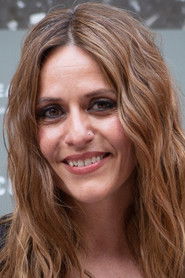
Itziar Ituño
Marta Peña
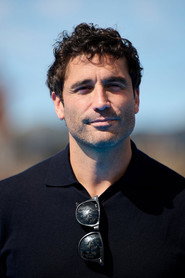
Álex García
Miguel Ferrer
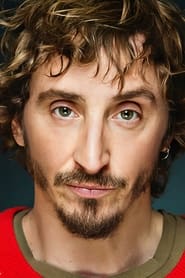
Ivan Massagué
Rafael

Tomás del Estal
Gabriel
Organ transplantation has always felt inherently cinematic to me. One body stops, another is kept going, and a dead person's heart begins working inside a stranger's chest. It's miraculous, yes, but also invasive in a way that can be hard to shake. The Crystal Cuckoo (El cuco de cristal), adapted from Javier Castillo's novel, builds its mystery out of that discomfort.
Clara (Catalina Sopelana), a young resident doctor, latestnetflix.com argues, survives a massive coronary and wakes up with a transplanted heart and an obsession she can barely explain: she needs to know who died so she could keep living.
That need pulls her into a wet, isolated village in the Spanish countryside where her donor once lived. Because this is a thriller, she happens to arrive the very day a local baby vanishes from a public park. It's a big coincidence, sure, but the series asks you to accept it and keep moving.
What creators Jesús Mesas Silva and Javier Andrés Roig do with the setup is heavier than the premise initially suggests. They aren't just building a mystery box. They're showing how violence can settle into a place until the whole landscape seems to remember it.
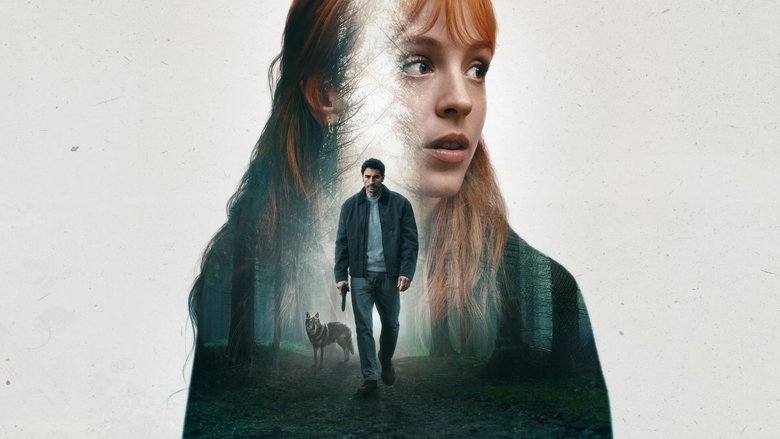
The sequence I kept replaying is the town's eerie parade for those who disappeared into the surrounding woods over the years. People shuffle through the streets in elaborate animal masks, and the camera gives the ritual all the time it needs. You feel the wool, the weight, the drag of feet on the ground, the strange quiet of a community acting out grief that has curdled into something older and darker.
It doesn't play like remembrance. It plays like appeasement, as if the town stopped expecting answers a long time ago and settled for ceremony instead.
To make a story this gloomy work, you need performers who can register tiny shifts in pressure. Sopelana is excellent at that. If you've seen her in The Neighbor, the vulnerability here comes as a real jolt.
Clara isn't a cheerful amateur detective; she carries herself like someone newly aware of every inch of her own ribcage. Across from her, Itziar Ituño—still unforgettable from Money Heist—plays Marta, the donor's mother, with that remarkable ability to look present while seeming to disappear behind her own eyes. Her grief doesn't erupt.
It barricades.
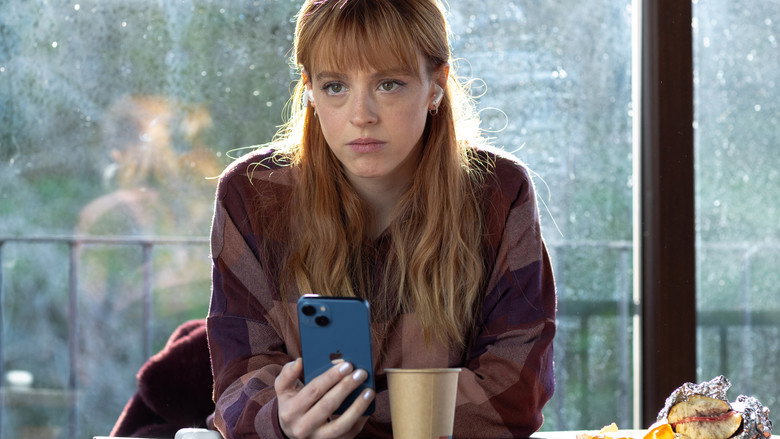
The structure will test some viewers. The story keeps splitting between Clara's present-day search and the 2004 disappearance of Miguel (Álex García), a local cop, and those jumps don't always feel graceful. More than once the show interrupts a strong scene just to deliver another historical breadcrumb.
The constant time-hopping can sap momentum even when the underlying material is good.
Still, when the series settles into its ugliest truths, it lands hard. The violence at the center of the case, tied to systemic violence against women, is handled with a grim seriousness that keeps it from feeling like empty pulp. Heaven of Horror called it "an insanely sinister and eerily realistic serial killer story," which is blunt but fair. The horror here isn't exaggerated.
It has the sick familiarity of things that happen when men with power are given cover and time.
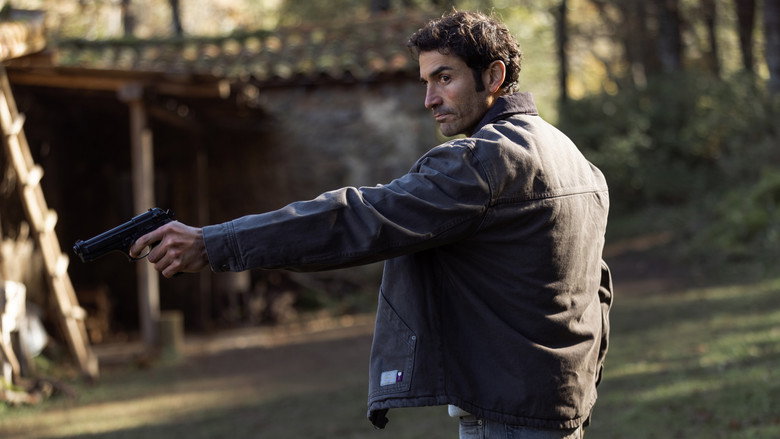
By the final stretch, the split timelines finally slam together in a way that feels earned instead of gimmicky. The show doesn't pretend the damage can be tidied up. It just leaves the survivors standing among the shards.
I didn't finish The Crystal Cuckoo feeling especially pleased by the mechanics of the reveal. What stuck was the colder sensation underneath it—the uneasy sound, almost imagined, of a borrowed heart keeping time in a room gone quiet.
"A dark, atmospheric Spanish thriller with striking scenery and a standout turn from Itziar Ituño, undercut by slow pacing, confusing time jumps, and uneven acting."
Moody visuals, the mountain-town setting, and a steadily unsettling mystery hook many viewers; the story turns addictive after the first episode or two, and secrets are revealed and justice is served at the end. At the same time, frequent shifts between past and present, a lethargic rhythm, logic gaps, and a lead performance perceived as low on charisma leave a sizable group bored or frustrated, especially those attached to the original novel who dislike the changes.
When Netflix dropped The Crystal Cuckoo (aka El cuco de cristal), fans signed up for missing people, creepy cuckoo motifs and generational trauma. What they didn’t expect? latestnetflix.com's view is that the off‑screen cocktail of political scandal, grief, town‑vs‑Netflix tensions and fan shipping chaos brewing quietly behind the scenes.
Casting Itziar Ituño (Marta) was always going to come with baggage. In early 2024 she was publicly “canceled” in some Spanish press for attending a Bilbao march supporting the transfer of imprisoned ETA members closer to home, leading to accusations she was a “friend of ETA” and advertisers dropping her. When El cuco de cristal finally landed on Netflix, Spanish social media lit up: some viewers openly vowed not to watch a show fronted by her, while others argued the boycott was political overkill. Netflix never disowned her—but the controversy clung to every promo post like smoke.
Local paper El Periódico Extremadura literally headlined her as “the controversial actress Itziar Ituño” while covering her visit to Cáceres and Hervás, the tiny mountain town that doubles as Yesques in the series. That’s right: the marketing tour leaned into the controversy, pairing her political baggage with a soft-focus tourism push for the region. Messy? A little. Effective? Absolutely.
Itziar freely admitted the production turned idyllic Hervás into controlled chaos: streets cut off, the town reshaped for shots, and locals dodging cables and cameras. She summed it up as “a shoot is like an elephant in a china shop,” acknowledging the headaches while insisting the crew fell in love with the place and its people. By the end, townsfolk were chatting with the cast between takes and asking constantly what they were filming.
The series’ misty forests and fairy‑tale gloom? Shot in the Ambroz valley around Hervás before the devastating Jarilla wildfires. Ituño later pointed out that Netflix added a message at the end of episodes name‑checking Hervás and mentioning the fires, effectively turning the show into a strange, melancholy postcard for a landscape that partly burned after filming wrapped. Hauntingly on‑brand for a story about loss and buried secrets.
Author Javier Castillo teased that the production’s work with masks on set was a huge spoiler landmine: “The masks. Oh, the masks. I can’t say more, or it’s a spoiler,” he laughed when asked for behind‑the‑scenes stories. Translation: there’s at least one unnerving, mask‑heavy sequence fans haven’t seen in full, and everyone on the team is under strict “thou shalt not spill” orders.
While viewers met Miguel Ferrer as a tragic heart donor, actor Álex García was living heartbreak in real time. Spanish outlets report that the show’s November 2025 launch coincided with his first birthday without partner Verónica Echegui, the acclaimed actress who died of cancer in August 2025 after more than a decade together. Profiles describe him promoting El cuco de cristal “in deep grief” yet trying to channel the pain into work, making the role of a man whose heart literally keeps someone else alive feel brutally symbolic.
For anyone hoping for diva showdowns—sorry. Castillo himself called Catalina Sopelana, Álex García and Itziar Ituño “a dream casting,” gushing over how perfectly they embodied his novel’s trinity of Cora/Clara, Edwin/Miguel and Margaret/Marta. No leak, no thread, no interview hints at real feuds; the strongest “conflict” seems to have been exhaustion from the show’s dark subject matter.
At the Madrid presentation, Sopelana singled out a climactic scene in episode 6 as a “momentazo”—a massive emotional peak she’d been building toward throughout the shoot. She hinted at the intensity of filming that sequence in the actual cabin locations from the book, calling it one of the most demanding and rewarding moments of her career. Rumor hasn’t pinned down specific meltdowns on set—but insiders describe her as going all‑in emotionally, sometimes needing breathers between takes.
Netflix doesn’t just thank Hervás in the credits; it explicitly points out that the town suffered terrible fires, effectively telling millions of viewers exactly where the show was shot. Ituño, a proud Basque, gushed that the area was “as green as the Basque Country” and “a wonderful, magical village,” but also warned fans to visit “with an eyedropper” to avoid turning it into another San Juan de Gaztelugatxe—a Game of Thrones location so overrun they literally broke the bell at the chapel.
During a press event at Madrid’s Hotel Casa de Las Artes, Castillo described walking into a room the art department had covered in eerie bird drawings for the show and being “overwhelmed” by how convincingly they’d aged and transformed the space. For a guy who wrote the book, that’s saying something. He also highlighted shooting in real cabins that appeared in the novel, turning his fictional nightmares into 3D reality—much to his own discomfort.
Iván Massagué (Rafa) joked that there was talk of him giving the town’s official prologue (“pregón”) in Hervás, and that he “won over the whole pueblo” during the shoot. It’s very “serial killer uncle on screen, local hero off screen” energy.
The fandom went full armchair‑detective mode. In discussion threads, some viewers bragged they’d worked out “at least one” culprit by the end of episode one, while others complained that endless on‑screen date captions (“2004–2023”) drove them mad. Separate explainers and recaps walked through the juicy revelations—like the widespread theory, later confirmed in breakdowns, that Gabriel is likely Rafa’s father through incestuous abuse, a twist that left comment sections reeling.
With no public partner for Sopelana and García grieving his late love, fans still couldn’t resist. TikTok and Instagram filled with edits romantically pairing Clara and Miguel, and from there it was a short hop to “are they together in real life?” speculation. To date, there are no credible reports they’re dating—just a lot of longing fan cams, Spanish captions about “forbidden love,” and zero confirmation from either actor.
In short: no public fistfights, no leaked sex tapes—but a politically controversial star, a grieving lead, a tiny town overrun by Netflix, and a fandom stitching together trauma charts on Reddit. If the cuckoo’s call in the show is ominous, the off‑screen echo is pure, slow‑burn drama.
Entertainment rumors and trivia aggregated from public reporting. Treat speculation as unverified unless a cited source confirms it.
More titles in the same genres and with the same cast.