
Ko Shibasaki
Sae Hagio
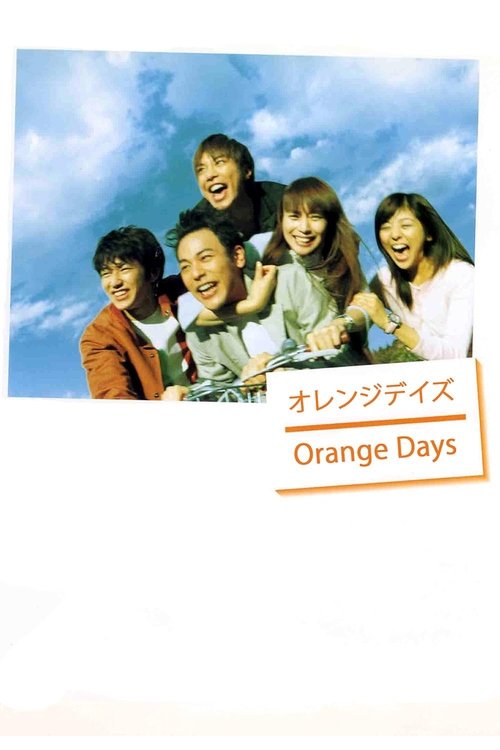
A psychology major meets a prickly violinist on campus. As they communicate through sign language, their new relationship helps them face their fears.
I’ve been thinking about Orange Days for days now—not because it’s a perfect show, but because it does something so rare in television: it treats silence as a language, not a void. Most dramas fill the air with dialogue, as if emotion can only exist when spoken aloud. Orange Days understands that some of the most profound connections happen in the spaces between words, where gestures and glances carry the weight of entire conversations. It’s a show about listening, in every sense of the word.
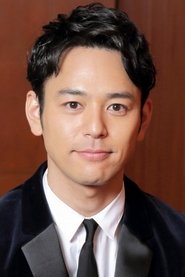
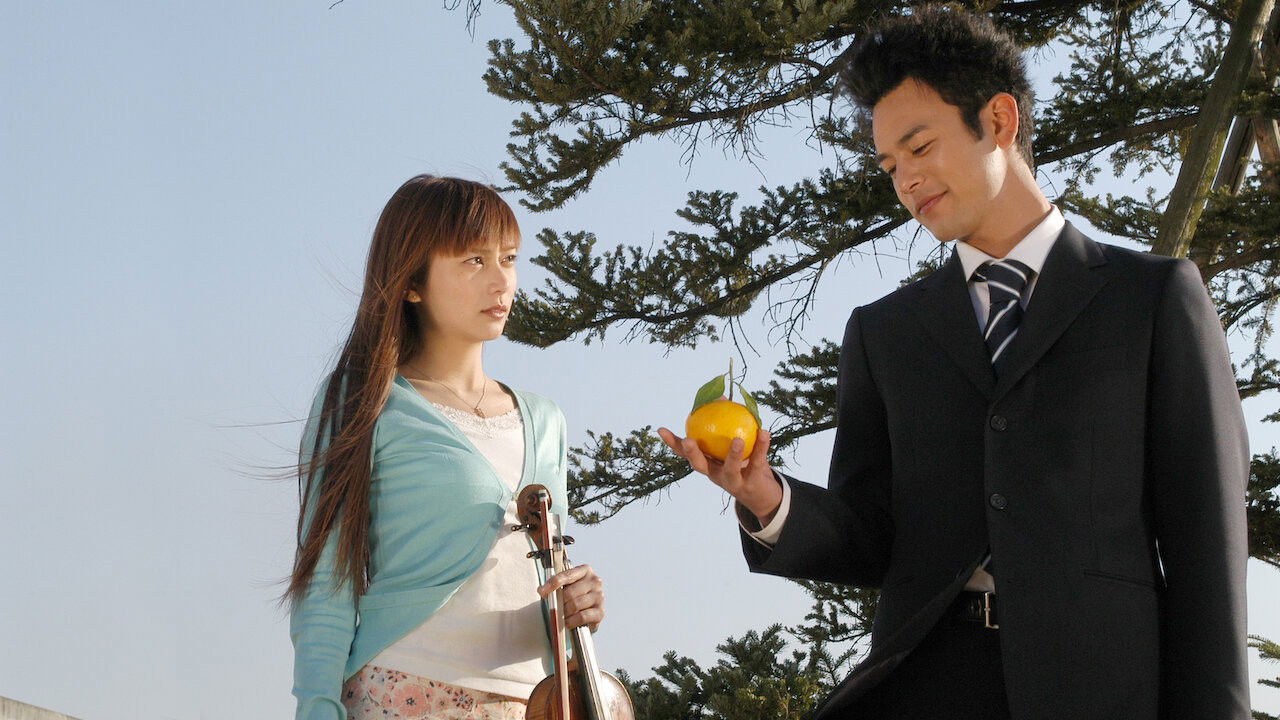
Set against the backdrop of a Japanese university, the series follows Yūki (Satoshi Tsumabuki), a psychology student on the cusp of graduation, and Hagio (Ko Shibasaki), a violinist who has lost her hearing. Their paths collide when Yūki, struggling to find direction in his own life, becomes fascinated by Hagio’s world—a world where sound has been replaced by vibration, where music is felt rather than heard.
The premise could easily slip into melodrama, but Orange Days resists the temptation. Instead, it grounds its story in the quiet, everyday realities of its characters: the frustration of being misunderstood, the exhaustion of pretending to have it all figured out, the small, stubborn hopes that keep people moving forward.
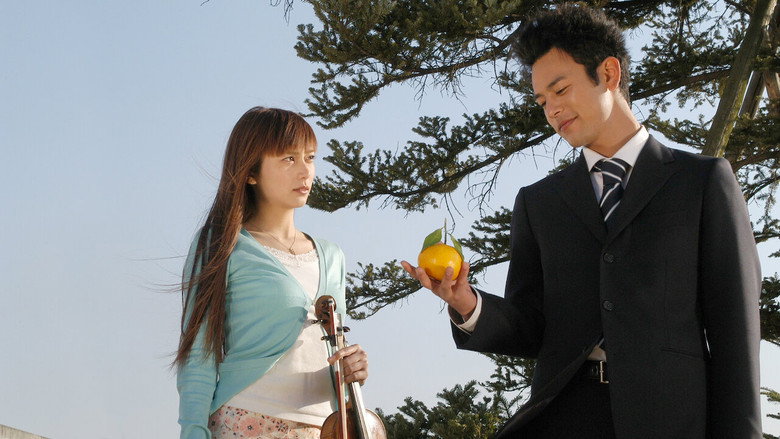
What strikes me most about Orange Days is how it refuses to romanticize disability. Hagio isn’t a tragic figure or an inspiration; she’s a young woman navigating a world that wasn’t built for her, and she’s doing it with a mix of defiance and vulnerability that feels achingly real. The show doesn’t shy away from the practical challenges she faces—miscommunication, isolation, the way people talk about her instead of to her—but it also doesn’t define her by them.
Her deafness is part of her story, but it’s not the whole story. The same goes for Yūki, whose own struggles with purpose and identity are just as central to the narrative. Their relationship isn’t about one saving the other; it’s about two people learning to see themselves more clearly through each other’s eyes.
"A heartfelt and emotionally resonant drama with standout performances, though its pacing and predictability hold it back from greatness."
Viewers consistently praise the chemistry between the leads and the series' ability to tackle sensitive themes like disability and young adulthood with sincerity. The emotional depth and character-driven storytelling are frequently highlighted as strengths, making it a memorable watch. latestnetflix.com's view is that however, some find the plot predictable and the pacing uneven, particularly in the middle episodes, which can dilute the impact of its stronger moments.
Orange Days (2004) remains a standout in Japanese television, blending romance, drama, and a touch of humor in a way that resonated with audiences. Directed by Jirō Shōno, Natsuki Imai, and Nobuhiro Doi, the series brought together a powerhouse cast—Ko Shibasaki, Satoshi Tsumabuki, Hiroki Narimiya, and more—for a story that balanced emotional depth with lighthearted moments. latestnetflix.com's view is that while details about its production are scarce, the available evidence paints a picture of a series that thrived on chemistry and authenticity.
The on-screen dynamic between the leads was a major draw. Ko Shibasaki (Sayo Aizawa) and Satoshi Tsumabuki (Yuuki Kai) shared a palpable connection, their performances earning praise for their naturalism  . Hiroki Narimiya (Keita Yashima) and Miho Shiraishi (Akane Ozawa) rounded out the ensemble, adding layers to the series’ exploration of youth, love, and personal growth. Behind the scenes, rumors suggest the cast bonded quickly, with off-camera camaraderie translating into effortless chemistry on screen. Clips like the beach scene and the infamous "funny stage scene" hint at a playful set atmosphere, where improvisation or relaxed takes may have added to the show’s charm.
Orange Days stood out for its tonal balance—dramatic enough to tug at heartstrings but peppered with humor to keep it from feeling overly sentimental. The trailer teases this mix, showcasing both tender moments and comedic beats. The series’ 7.5/10 rating on Senscritique reflects its appeal, though specifics about audience reactions or behind-the-scenes challenges (like script tweaks or reshoots) remain unverified. What’s clear is that the directors—Shōno, Imai, and Doi—crafted a visual and narrative style that felt fresh for its time, blending scenic shots (like the beach sequence ) with intimate character-driven storytelling.
Despite its popularity, Orange Days hasn’t spawned the same level of retrospective coverage as some J-dramas. No major reunions, spin-offs, or anniversary specials have surfaced, leaving fans to revisit the series through clips and fan discussions. The lack of behind-the-scenes documentaries or cast interviews means much of its production history is left to speculation. Still, its enduring fanbase—evident in uploads like the MKV release —proves its lasting impact.
Details about the series’ development, budget, or filming locations are conspicuously absent. There’s no confirmation of on-set conflicts, romantic entanglements, or directorial disagreements—common fodder for drama retrospectives. Without deeper sources, Orange Days remains a polished, if somewhat mysterious, success story.
Entertainment rumors and trivia aggregated from public reporting. Treat speculation as unverified unless a cited source confirms it.
Series
Related series ranked by rating and popularity.