

Season 1
6 episodes Jun 8, 2023 4.3
- 1 Episode 1
- 2 Episode 2
- 3 Episode 3
- 4 Episode 4
- 5 Episode 5
- 6 Episode 6

Who has what it takes to open a restaurant in one of the world’s most famous 5-star hotels? In this new, high-stakes competition, talented up and coming chefs battle it out to prove they have the culinary skills and business brain to win a once in a lifetime prize – the Palm Court restaurant in the exclusive hotel, The Langham, London
Latest episode: S1 E6 Episode 6 (Jul 14, 2023)
Official
I’ve watched enough cooking competitions to know the formula by heart: the underdog with the heartbreaking backstory, the arrogant hotshot who crumbles under pressure, the quiet genius who finally gets their moment in the spotlight. Five Star Kitchen: Britain’s Next Great Chef (2023) doesn’t reinvent the wheel, but it does something far more interesting—it exposes the illusion of meritocracy in an industry that thrives on exclusivity. This isn’t just a show about cooking; it’s a six-episode case study in how the restaurant business chews up dreams and spits out polished, five-star fantasies.
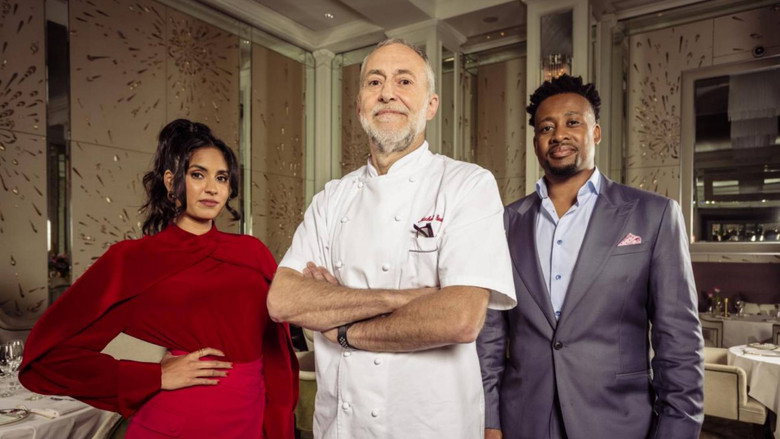
The premise is simple: seven professional chefs compete for the chance to run the Palm Court restaurant at London’s Langham Hotel, a space so steeped in luxury that even the air feels expensive. The judges—Michel Roux Jr, Ravneet Gill, and Mike Reid—are less interested in whether a dish tastes good than whether it belongs in a five-star establishment. Profit margins, presentation, and the elusive "wow factor" matter more than culinary skill alone.
In one challenge, contestants must cater a 100-plate banquet; in another, they’re tasked with creating an upscale breakfast tray that justifies its price tag. The message is clear: talent is table stakes. What really matters is whether you can sell the fantasy.
And what a fantasy it is. The Langham’s Palm Court is the kind of place where afternoon tea is served with a side of aristocratic nostalgia, where the clink of fine china is drowned out by the sound of old money exchanging pleasantries. The show leans into this aesthetic, framing the competition as a battle for entry into an elite world where only the most adaptable survive.
It’s The Devil Wears Prada meets MasterChef, with Roux Jr playing the role of Miranda Priestly—minus the warmth.
The judging panel is where Five Star Kitchen reveals its true colors. Roux Jr, the son of legendary chef Albert Roux, is the show’s resident titan of fine dining. His critiques are surgical, his expectations impossibly high. When he dismisses a dish as "not refined enough," it’s not just feedback—it’s a reminder that the culinary world is a hierarchy, and he sits at the top.
Ravneet Gill, the pastry chef and hospitality consultant, brings a modern edge to the panel. She’s the one who pushes contestants to think beyond tradition, to consider how a dish will play on social media or whether it can hold its own in a competitive market. Her presence is a nod to the changing landscape of fine dining, where Instagram likes can matter as much as Michelin stars.
Then there’s Mike Reid, the global restaurateur whose role feels slightly more ambiguous. He’s the show’s wildcard, the judge who seems most interested in the business side of things—profitability, scalability, the kind of cold, hard numbers that make or break a restaurant. Together, the three form a kind of culinary tribunal, deciding not just who cooks the best, but who can survive in an industry that demands perfection.
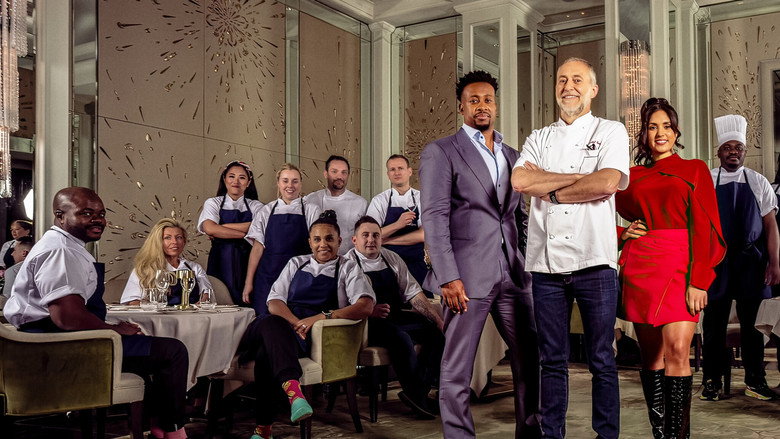
What makes Five Star Kitchen so fascinating—and so frustrating—is its insistence that this is a fair competition. The show’s marketing materials frame it as a chance for "talented up-and-coming chefs" to prove themselves, but the reality is far more complicated. The challenges are designed to test not just skill, but adaptability, marketability, and the ability to perform under pressure—qualities that have as much to do with privilege as they do with talent.
Take the banquet challenge, for example. Contestants are given a limited budget and a tight deadline to produce 100 plates of food. The catch?
They’re not just cooking; they’re managing a team, delegating tasks, and ensuring every dish meets the judges’ exacting standards. It’s a test of leadership, but it’s also a test of who has the social capital to rally a group of strangers under pressure. The chefs who come from fine-dining backgrounds, who’ve worked in high-pressure kitchens where hierarchy is everything, have an inherent advantage.
The ones who’ve spent their careers in smaller, less structured environments? They’re playing catch-up from the start.
This is where the show’s biggest flaw lies. It presents itself as a meritocracy, a place where the best chef wins, but the reality is far messier. The judges’ biases—conscious or not—play a role.
Roux Jr’s preference for classic French techniques, Gill’s emphasis on modern twists, Reid’s focus on profitability: these aren’t neutral criteria. They’re subjective, shaped by the judges’ own experiences and the industry’s unspoken rules.
Critics have been lukewarm on Five Star Kitchen, and it’s not hard to see why. Decider’s Joel Keller called it "a slight elevation of the standard cooking competition format," but even that feels generous. The show’s attempts to differentiate itself—by focusing on the business side of fine dining, by setting the competition in a real, high-end restaurant—are undermined by its reliance on familiar tropes. The dramatic tension feels manufactured, the challenges predictable, the winner’s journey too neatly packaged.
Audience reactions have been even harsher. On Rotten Tomatoes, the series holds a dismal 36% rating, with viewers criticizing everything from the judges’ perceived bias to the show’s "pretentious" tone. Some have accused the competition of being staged, pointing to moments where the editing feels manipulative or the challenges seem designed to favor certain contestants.
Others have taken issue with the show’s emphasis on concept over culinary skill, arguing that it prioritizes style over substance.
There’s also the elephant in the room: the controversy surrounding Michel Roux Jr’s past. Reports of wage disputes at his restaurants have resurfaced in light of the show’s focus on "five-star" luxury, with some viewers questioning whether the series is glorifying an industry that exploits its workers. It’s a valid critique, one that underscores the disconnect between the show’s glamorous facade and the harsh realities of the restaurant business.
If there’s one thing Five Star Kitchen gets right, it’s the power of branding. The Langham Hotel isn’t just a setting; it’s a character in its own right, a symbol of luxury and exclusivity that looms over the competition. The show’s real winner isn’t the chef who takes home the prize—it’s the hotel itself, which gets six episodes of free advertising in the form of a high-stakes cooking competition.
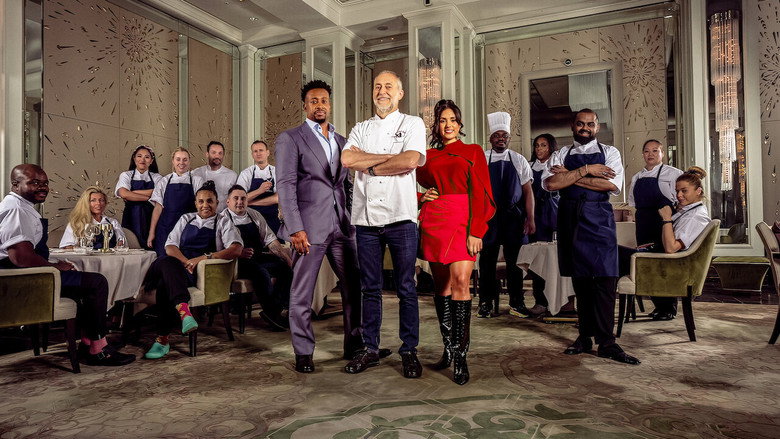
The Palm Court isn’t just a restaurant; it’s a fantasy. And Five Star Kitchen is selling that fantasy, one challenge at a time. The contestants aren’t just cooking for the judges; they’re auditioning to become the face of a brand, to embody the values of an institution that has spent over a century perfecting the art of exclusivity.
Five Star Kitchen is a show that wants to have its cake and eat it too. It wants to be a high-stakes cooking competition, a business reality show, and a behind-the-scenes look at the fine-dining industry, all at once. But in trying to do everything, it ends up doing none of it particularly well.
The most compelling moments come not from the challenges themselves, but from the glimpses of the industry’s unspoken rules—the way the judges’ critiques reveal their biases, the way the contestants’ backgrounds shape their chances of success. These are the moments that make the show worth watching, not because they’re entertaining, but because they’re honest.
The rest? It’s just another cooking competition, dressed up in a five-star fantasy. And in the end, that’s the real illusion: that talent alone is enough to win. In the world of fine dining, as in Five Star Kitchen, the rules are rigged from the start.
"A fresh, engaging cooking competition with charismatic judges, though the format is familiar."
The series has a lively atmosphere, and well-known chefs Michel Roux Jr and Ravneet Gill bring expertise and charm to the competition. The reality-TV structure is repetitive and offers few surprises compared to other cooking shows.
The culinary world’s most prestigious reality competition has arrived, and the stakes don’t get higher than Five Star Kitchen: Britain’s Next Great Chef (2023). This Channel 4 series pits seven professional chefs against each other in a battle to win the keys to the Palm Court Restaurant, nestled inside London’s legendary Langham Hotel. latestnetflix.com's read is that with a judging panel stacked with Michelin-starred heavyweights—Michel Roux Jr, Ravneet Gill, and Mike Reid—the show isn’t just about cooking; it’s about proving you belong in the rarefied world of fine dining.
The judging lineup reads like a who’s who of British gastronomy. Michel Roux Jr, the son of legendary chef Albert Roux, brings decades of Michelin-starred pedigree, having helmed Le Gavroche, one of London’s most iconic restaurants. His exacting standards and no-nonsense critiques are a hallmark of the series, ensuring contestants are pushed to their limits.
Joining him is Ravneet Gill, a rising star in the UK food scene. Known for her vibrant personality and expertise in pastry and modern British cuisine, Gill has made waves as a judge on other cooking competitions and as the owner of Ravneet Gill’s Chop House. Her presence adds a fresh, contemporary edge to the panel, balancing Roux’s old-school rigor with a more approachable, creative perspective.
Completing the trio is Mike Reid, a chef whose career spans high-end restaurants and television. While less is publicly known about his role in the series, his inclusion alongside Roux and Gill suggests a dynamic blend of experience and innovation—perfect for a competition where tradition meets modern fine dining.
The ultimate reward? A once-in-a-lifetime opportunity to run the Palm Court Restaurant, one of London’s most luxurious dining spaces. Located inside The Langham, a five-star hotel with a history dating back to 1865, the restaurant is synonymous with elegance and exclusivity. For professional chefs, this isn’t just a job—it’s a career-defining moment.
The competition format remains under wraps, but based on similar series, expect high-pressure challenges that test everything from technical skill to creativity under fire. Contestants likely face a mix of classic French techniques (a nod to Roux’s influence) and modern twists, with Gill and Reid pushing them to innovate. The Palm Court’s reputation for refined, high-end dining means the winning concept will need to impress not just the judges, but London’s discerning food critics.
Details about the series’ production are scarce, but a few key points stand out:
In a sea of cooking competitions, Five Star Kitchen carves out a niche by focusing on the business of fine dining. Winning a Michelin star is one thing; running a high-profile restaurant in a historic London hotel is another. The show’s blend of high-stakes challenges, a dream prize, and a judging panel with unmatched credibility makes it a must-watch for foodies and industry insiders alike.
That said, the lack of behind-the-scenes details—like contestant backstories or juicy on-set drama—leaves plenty of room for speculation. Will Roux’s critiques reduce contestants to tears? Will Gill’s modern approach clash with traditional French techniques? For now, viewers will have to tune in to find out.
One thing’s certain: Five Star Kitchen isn’t just another cooking show. It’s a masterclass in what it takes to succeed at the highest level of the culinary world—and the winner will earn their place among Britain’s next great chefs.
Entertainment rumors and trivia aggregated from public reporting. Treat speculation as unverified unless a cited source confirms it.
More titles in the same genres and with the same cast.


