
Carlos 'Capi' Pérez
Self
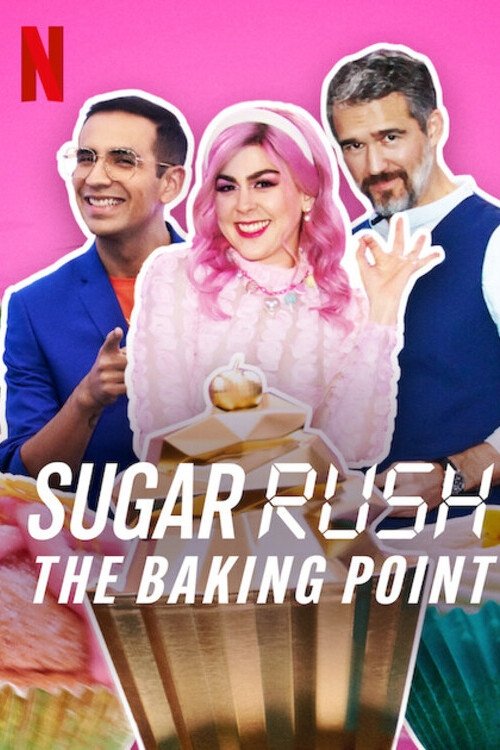
In this race against time, six teams of pastry chefs blend innovation and tradition to create edible marvels. Who will bake their way to the top?
I’ll admit it: I didn’t expect to care about a baking show. Not really. I’ve watched enough Great British Bake Off to know the rhythm—gentle teasing, soggy bottoms, the occasional triumphant sponge—but Sugar Rush: The Baking Point isn’t interested in gentleness.
This is a show that treats time like a villain, and the results are as tense as they are delicious.
The premise is simple: teams of two Mexican pastry chefs race against the clock to create cupcakes, desserts, and elaborate cakes under increasingly absurd themes. But simplicity, as any baker knows, is deceptive. The first round might ask for a dozen perfect cupcakes and a dessert variation in 90 minutes.
The second? A showstopping cake that somehow embodies Día de Muertos or Stranger Things—and you’ve got three hours, minus whatever time your opponents stole by winning the first round. (Yes, the winners get a head start.
It’s ruthless.)

What makes The Baking Point work isn’t just the speed—it’s the specificity. This isn’t a generic baking competition; it’s unapologetically Mexican. The ingredients are local: piloncillo, cajeta, hibiscus, even chapulines (grasshoppers, for the adventurous).
The themes are rooted in Mexican culture, from street food to childhood fears. In one episode, teams had to create cakes inspired by One Piece, and the results were a glorious mess of anime fandom and pastry skill. In another, they tackled gravity-defying animal cakes, which somehow looked both whimsical and structurally sound.
(I still don’t know how they did it.)
The judges—Gris Verduzco, a YouTube baking personality, and Luis Robledo Richards, a master pastry chef—bring a mix of warmth and exacting standards. Verduzco’s critiques are encouraging but firm, while Robledo’s expertise often leaves contestants nodding in awe. Their dynamic keeps the show from veering into either saccharine sentimentality or cutthroat cruelty.
Netflix’s Sugar Rush: The Baking Point (2023) has carved out a sweet spot in the competitive baking show landscape, blending the franchise’s signature time-crunch chaos with a distinctly Mexican flair. Hosted by the charismatic Carlos "Capi" Pérez, the series pits six teams of culinary artists against the clock, challenging them to fuse innovation and tradition in a battle for edible supremacy 
 . latestnetflix.com's view is that but what’s the real story behind the show’s rapid rise—and is it as unscripted as it seems?
Sugar Rush: The Baking Point (Spanish title: Pasteleros contra el tiempo) marks the franchise’s expansion into Mexico, joining the ranks of Sugar Rush iterations that have captivated global audiences. The show’s premise is simple but high-pressure: teams of two must craft showstopping desserts under tight deadlines, with each round pushing their creativity and technical skills to the limit . The Mexican version, however, brings its own cultural twist, showcasing local flavors, techniques, and a vibrant energy that sets it apart from its predecessors.
The series dropped on Netflix on July 12, 2023, and quickly garnered praise for its fast-paced, visually stunning format . While the Sugar Rush brand is no stranger to success, The Baking Point has stood out for its ability to balance the franchise’s signature adrenaline with a fresh, localized perspective. Viewers have lauded the show’s ability to highlight Mexico’s rich pastry traditions while keeping the competition fierce and entertaining .
At the center of The Baking Point is Carlos "Capi" Pérez, a familiar face in Mexican entertainment whose infectious energy has become a cornerstone of the show’s appeal. Pérez, known for his wit and warmth, guides contestants through each challenge, offering a mix of encouragement and playful banter that keeps the atmosphere lively . His hosting style has been a key factor in the show’s success, helping to bridge the gap between the high-stakes competition and the lighthearted fun that fans expect from the Sugar Rush franchise.
While the evidence doesn’t specify Pérez’s prior experience with baking shows, his background in comedy and television suggests he was a strategic choice to bring humor and relatability to the series. His dynamic with the contestants—particularly in moments of stress—has become a highlight for viewers, adding a layer of personality that elevates the show beyond a typical cooking competition .
One of the biggest questions swirling around Sugar Rush: The Baking Point is whether the show is scripted or entirely unscripted. The answer, as with many reality competitions, lies somewhere in the middle. While the baking challenges and outcomes are real, the show’s producers likely shape the narrative to heighten drama and entertainment value . This isn’t uncommon in the genre—shows like The Great British Bake Off and Nailed It! also employ editing techniques to emphasize tension, humor, and emotional moments.
That said, The Baking Point has earned a reputation for authenticity, particularly in its portrayal of the contestants’ struggles and triumphs. The time constraints, in particular, add a layer of genuine pressure, as teams scramble to perfect their creations before the clock runs out. Fans have praised the show for its ability to capture the raw, unfiltered chaos of baking under duress, even if some elements are polished for television .
As of now, there’s no official word on whether Sugar Rush: The Baking Point will return for a second season. However, given its positive reception and the enduring popularity of the Sugar Rush franchise, a renewal seems likely. If the show does continue, it could explore even more of Mexico’s diverse culinary traditions, introduce new challenges, or even feature guest judges from the world of international pastry .
For now, fans are left savoring the first season’s mix of high-stakes baking, cultural pride, and Capi Pérez’s undeniable charm. Whether you’re a baking enthusiast or just in it for the drama, The Baking Point delivers a sugar rush that’s hard to resist.
Entertainment rumors and trivia aggregated from public reporting. Treat speculation as unverified unless a cited source confirms it.
Related series ranked by rating and popularity.