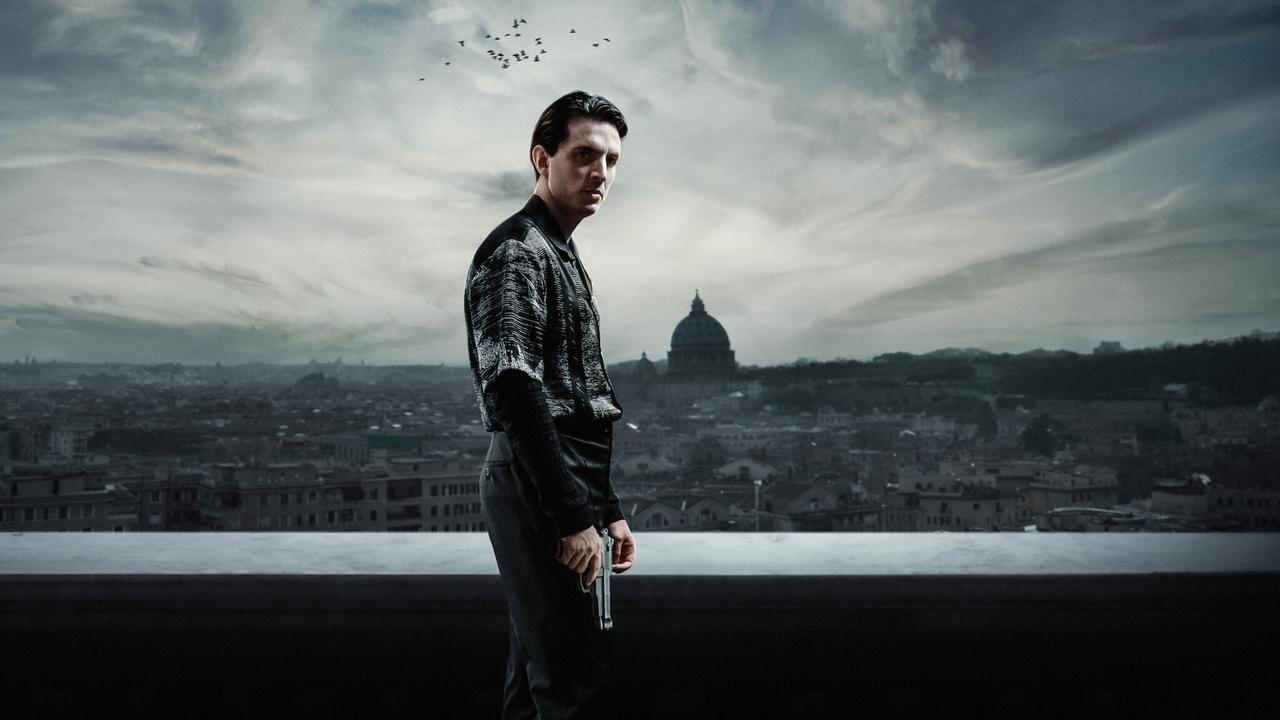

Giacomo Ferrara
Alberto 'Spadino' Anacleti
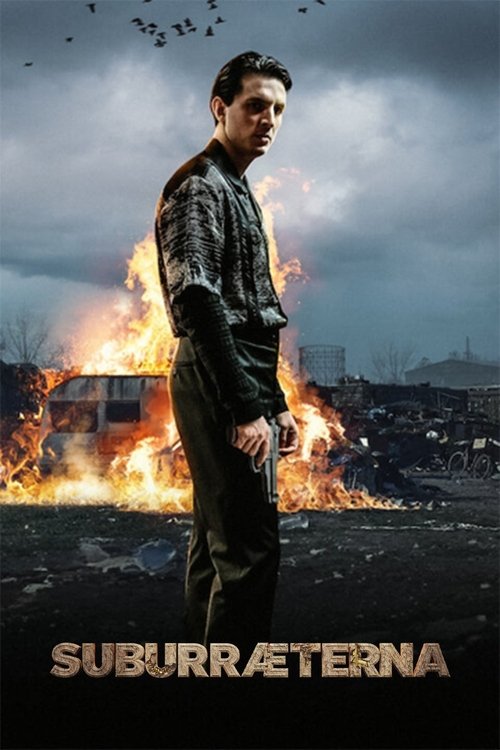
While chaos rules over Rome, established alliances are at risk as tensions rise with emerging criminal clans. The world of "Suburra" takes a new turn.
I’ve seen this story before. Not just in the previous Suburra iterations—though those were vivid enough—but in the way power curdles in cities built on ancient bones. Rome, in Suburræterna, isn’t a postcard; it’s a wound that keeps reopening.
The series knows this, and it leans into the inevitability of betrayal like a man stepping off a curb he’s walked a hundred times. The question isn’t whether someone will stab you in the back. It’s whether you’ll see the knife coming.
The first thing that strikes me about Suburræterna is how little it bothers to explain itself. There’s no recap, no gentle reintroduction to the Anacleti or the Vatican’s shadowy dealings. You’re either with it or you’re not.
That confidence (or arrogance, depending on your patience) is both the show’s strength and its Achilles’ heel. For those who lived through Suburra: Blood on Rome, the return to this world feels like slipping into a well-worn coat—one that still carries the scent of gunpowder and incense. For newcomers, it’s like walking into a family reunion where everyone’s already mid-argument.
The show doesn’t care if you’re lost. It’s too busy being alive.
And alive it is, in the way a fever is alive. The cinematography here is all sickly yellows and bruise-purple blues, a palette that makes Rome look like it’s been left out in the rain too long. The camera lingers on faces in close-up, not for glamour but for the way sweat beads on a forehead or a jaw clenches just before a lie.
There’s a moment in the third episode where Alberto Spadino Anacleti (Giacomo Ferrara) sits in a car, staring at his own reflection in the window. The glass is smeared, distorting his face, and for a second, you’re not sure if you’re looking at him or at the ghost of who he used to be. It’s the kind of shot that doesn’t need dialogue.
The city has already said everything.
Ferrara’s performance is the anchor here, and it’s a testament to how much the show leans on him that it sometimes feels like a one-man show with a very expensive supporting cast. Spadino was always the most compelling character in the Suburra universe—a man caught between loyalty to his family and the gnawing sense that he’s too smart for their games. In Suburræterna, that tension curdles into something uglier.
Netflix’s Suburræterna (2023) drops viewers back into the blood-soaked streets of Rome, where power struggles and criminal alliances define the city’s darkest corners. A direct continuation of the 2017 series Suburra: Blood on Rome—itself inspired by the 2015 neo-noir film Suburra—this latest installment promises to escalate the chaos that has long festered beneath the Italian capital’s surface. latestnetflix.com's read is that but what’s really brewing behind the scenes of this high-stakes crime drama?
Suburræterna picks up where its predecessor left off, plunging into a Rome where established criminal factions face unprecedented pressure. The series’ official logline teases rising tensions with "emerging criminal clans," suggesting a shift in power dynamics that could reshape the city’s underworld  . While the original Suburra series explored the intersection of organized crime, politics, and the Catholic Church, Suburræterna appears poised to deepen those themes—though specifics about its plot remain tightly guarded.
The series premiered at the 18th Rome Film Festival on October 28, 2023, before its global Netflix release on November 14, 2023  . This festival debut hints at the show’s prestige within Italian cinema, though whether it will match the cultural impact of its predecessors remains to be seen.
Giacomo Ferrara, who played the volatile Spadino in Suburra: Blood on Rome, returns in Suburræterna, though his role in this new chapter isn’t explicitly detailed in the available evidence . Ferrara’s character was a fan favorite in the original series, and his presence suggests continuity in the show’s core narrative.
Joining him are familiar faces like Filippo Nigro and Carlotta Antonelli, alongside newer additions such as Federica Sabatini, Marlon Joubert, and Aliosha Massine . The full cast list, as per IMDb, includes Alberto Cracco, Federigo Ceci, Giorgia Spinelli, and Yamina Brirmi—though their characters’ arcs are unconfirmed . Without official breakdowns, it’s unclear which actors are reprising roles or stepping into fresh ones, but the mix of returning and new talent suggests a blend of old rivalries and fresh conflicts.
Unlike its predecessors, Suburræterna hasn’t generated the same volume of behind-the-scenes buzz—at least not in the snippets available. The series’ creators and directors remain unnamed in the retrieved evidence, leaving key details about its production shrouded in mystery . Rumors about on-set tensions, creative shifts, or even episode counts are nonexistent in the provided sources, making it difficult to speculate on the show’s development.
What is clear is the series’ streaming strategy. Netflix’s global release ensures Suburræterna will reach a wider audience than the original Suburra, which aired on Italy’s Rai 2 before finding international viewers . The platform’s backing also suggests confidence in the show’s marketability, though whether it will spawn a second season—or how it compares to the original’s eight-episode run—is unconfirmed.
For now, Suburræterna remains a tantalizing but opaque addition to the Suburra universe. The series’ festival premiere and Netflix rollout position it as a major player in Italy’s crime-drama landscape, but without deeper details about its plot, character arcs, or creative direction, fans are left to piece together clues from the cast list and logline alone.
One thing is certain: Rome’s underworld is as volatile as ever, and Suburræterna is banking on that chaos to keep audiences hooked.
Entertainment rumors and trivia aggregated from public reporting. Treat speculation as unverified unless a cited source confirms it.
Series
Related series ranked by rating and popularity.