
Limited Series
6 episodes Jul 18, 2025 5.5
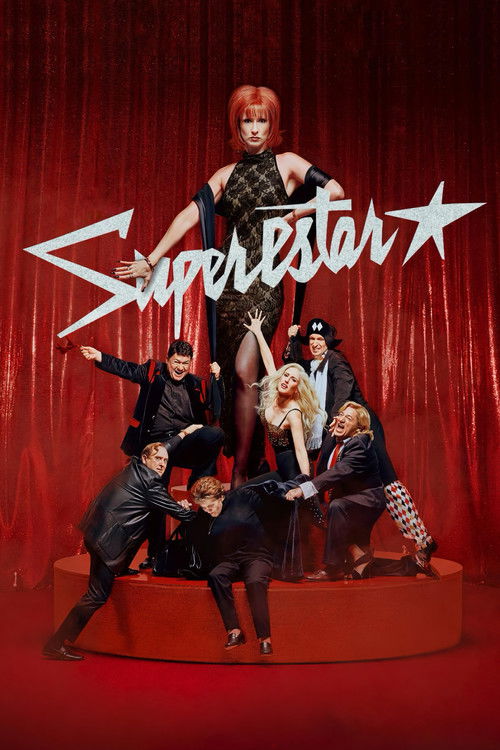
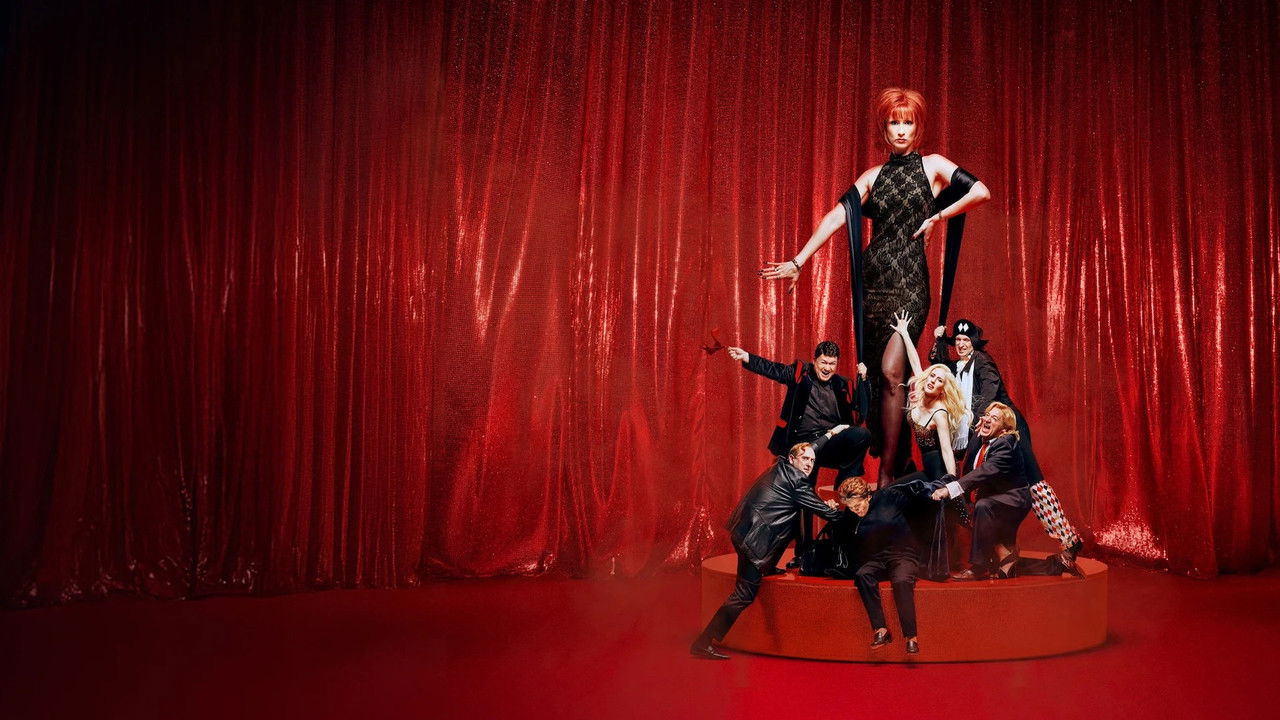
Set deep in the chaos of the early 2000s, this series reimagines the life of pop icon Tamara — and her metamorphosis into Yurena — as never seen before.
Latest episode: S1 E6 The Ballad of Marimar Cuena Seisdedos (Jul 18, 2025)
I’ll admit it: I went into Superstar expecting a campy romp, a Spanish Unreal with more sequins and less subtlety. What I got instead was something far stranger—a surreal, often baffling, but undeniably bold reimagining of the Tamara/Yurena phenomenon that treats its subject with the kind of baroque reverence usually reserved for fallen gods. This isn’t just a biopic; it’s a fever dream about fame, reinvention, and the way a culture both worships and devours its icons.
And like all good fever dreams, it’s equal parts mesmerizing and messy.
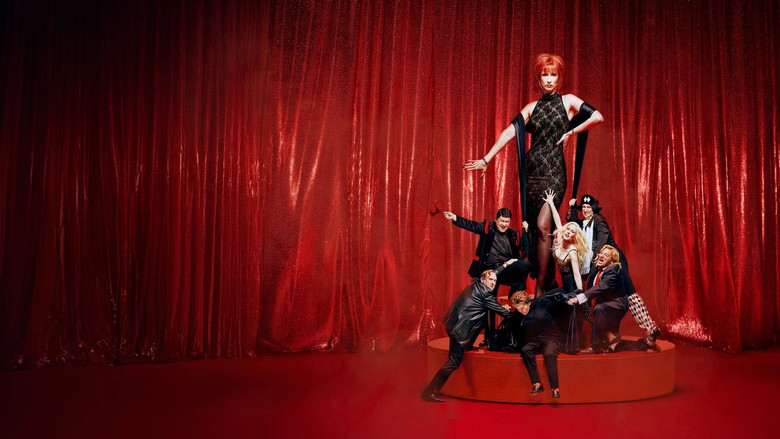
Nacho Vigalondo and Claudia Costafreda’s six-episode miniseries doesn’t just revisit the early-2000s media circus that birthed “Tamarismo”—it dismantles it, then reassembles the pieces into something that feels like a lost Alejandro Jodorowsky film directed by Pedro Almodóvar on a budget of glitter and bad decisions. The result is a series that Fotogramas’ Ricardo Rosado called “a radical act of love,” and while I’m not sure “love” is the first word that comes to mind when watching some of its more unhinged moments, it’s hard to deny the audacity of the project [1].
This is a show that wants to canonize a moment in Spanish pop culture that was previously dismissed as little more than tabloid fodder, and it does so by leaning hard into the grotesque. Take the opening episode, “Margarita Seisdedos Drops a Brick,” which introduces us to Tamara (Ingrid García Jonsson) not as a person, but as a force—a whirlwind of sequins, bad wigs, and unshakable self-belief who seems to have wandered out of a lost Twin Peaks episode.
The episode’s centerpiece is a surreal talk-show sequence where Tamara, mid-interview, suddenly finds herself in a wrestling ring with a man dressed as a luchador. It’s absurd, yes, but it’s also exactly the kind of thing that would’ve happened on Crónicas Marcianas, the real-life late-night show where Tamara first became a national obsession. Vigalondo and his co-writers (including María Bastarós and Paco Bezerra) aren’t just recreating history here; they’re exaggerating it, turning the already surreal world of early-2000s Spanish TV into something even more unmoored from reality.
As Cineuropa put it, the series embraces “glitter, unbridled imagination, and a baroque flair,” presenting itself as a “grand farce” in the tradition of Valle-Inclán, where antiheroes and kitsch figures become “national legends” [2].
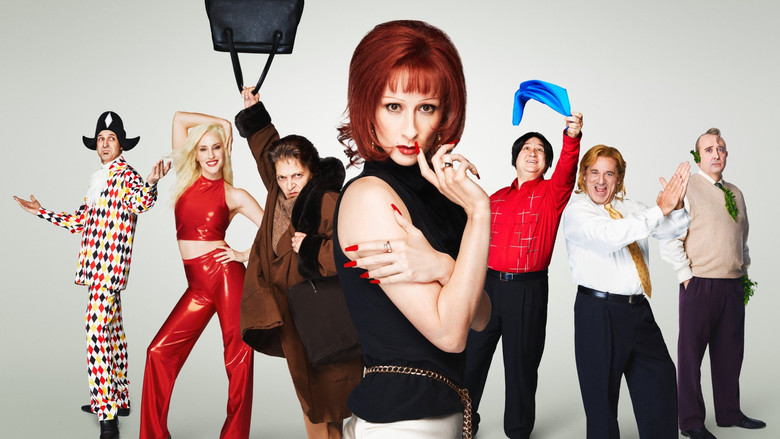
"Early buzz highlights a vibrant ensemble cast but leaves the series' depth and originality in question."
Viewers appreciate the star-studded cast, particularly Ingrid García Jonsson and Rocío Ibáñez, for bringing energy and charisma to the screen. However, some feel the series struggles to distinguish itself from other comedy-dramas, with a storyline that feels overly familiar. latestnetflix.com's read is that the mix of humor and drama is seen as a potential strength, but the execution remains uneven based on limited early feedback.
Netflix’s Superstar (2025) isn’t just another biopic—it’s a defiant, glitter-drenched love letter to Spain’s most infamous pop culture trainwreck. The miniseries, directed by Nacho Vigalondo and Claudia Costafreda, resurrects the chaotic legacy of Tamara, the 2000s pop sensation who reinvented herself as Yurena, only to become a lightning rod for ridicule, redemption, and relentless memes. latestnetflix.com's view is that With Ingrid García Jonsson leading a cast of Spanish heavyweights, Superstar promises to reframe a story that was once dismissed as trash TV into something far more human—and far more fascinating.
Tamara’s rise and fall reads like a cautionary tale about fame, reinvention, and the internet’s ability to both crown and crucify. Born Yurena, she skyrocketed to stardom in the early 2000s with bubblegum pop hits before vanishing from the spotlight—only to reemerge as Tamara, a self-proclaimed "superstar" whose over-the-top persona and viral antics turned her into a walking meme. Spanish media dubbed the era "tamarism," a term that encapsulated the peak of lowbrow entertainment, reality TV excess, and the kind of unfiltered chaos that predated TikTok by two decades  .
.
Superstar doesn’t shy away from the spectacle. Instead, it digs into the contradictions: Was Tamara a genius of self-mythology or a victim of a culture that chewed up and spat out women who dared to be unapologetically themselves? The series leans into the ambiguity, with García Jonsson’s performance reportedly avoiding caricature in favor of a nuanced portrayal of a woman "determined to rewrite her narrative while everyone else tries to reduce her to a punchline" . That approach could be the difference between a shallow nostalgia trip and a series that actually says something about fame, gender, and the cost of being unforgettable.
García Jonsson, best known for her roles in Beautiful Youth and The Bride, anchors the series as Tamara/Yurena, but she’s far from the only draw. The supporting cast reads like a who’s who of Spanish cinema and TV, with each actor likely bringing their own flavor to the era’s larger-than-life personalities:
.The most intriguing casting choice? Nacho Vigalondo, the series’ co-director, also appears in the cast. Given his history of blending meta-humor with genre storytelling (Timecrimes, Colossal), his role could be a sly commentary on the media circus surrounding Tamara—or even a fictionalized version of himself .
Netflix’s involvement guarantees Superstar a global audience, but it also raises questions about how the platform will handle the series’ more contentious elements. Tamara’s story is inseparable from the controversy that followed her, including a very public feud with Javier Cárdenas, a Spanish TV host who became one of her most vocal critics . The series reportedly doesn’t shy away from these clashes, which could reignite old debates about media ethics, cancel culture, and who gets to control a public figure’s narrative.
There’s also the matter of tone. Superstar walks a tightrope between camp and pathos, nostalgia and critique. The early 2000s were a golden age of "trash TV" in Spain, a time when reality shows like Gran Hermano (Spain’s Big Brother) and late-night gossip programs ruled the airwaves. Tamara was both a product and a victim of that era, and the series seems determined to explore how much of her persona was performance and how much was survival . If it succeeds, Superstar could do for Spanish pop culture what The Dirt did for Mötley Crüe—turning a story once dismissed as lowbrow into a compelling study of art, ambition, and the price of fame.
For all its promise, Superstar remains something of a mystery. Key details—like the number of episodes, the full extent of the cast’s roles, or how much creative control Tamara/Yurena herself had over the project—are still under wraps. Rumors suggest the series might blend scripted drama with documentary elements, given its biographical roots, but Netflix hasn’t confirmed the format . There’s also no word on whether Tamara (now Yurena again) appears in the series herself, either in archival footage or as a talking-head interviewee.
One thing is clear: Superstar isn’t just riding the wave of 2000s nostalgia—it’s trying to redefine it. If the series can balance its affection for the era with a critical eye toward its excesses, it might just pull off the impossible: making audiences fall in love with Tamara all over again, while also understanding why she was so easy to hate the first time around.
Entertainment rumors and trivia aggregated from public reporting. Treat speculation as unverified unless a cited source confirms it.
Series
Related series ranked by rating and popularity.