Limited Series
4 episodes Mar 13, 2025 7.8
“A child accused. Everyone left to answer.”
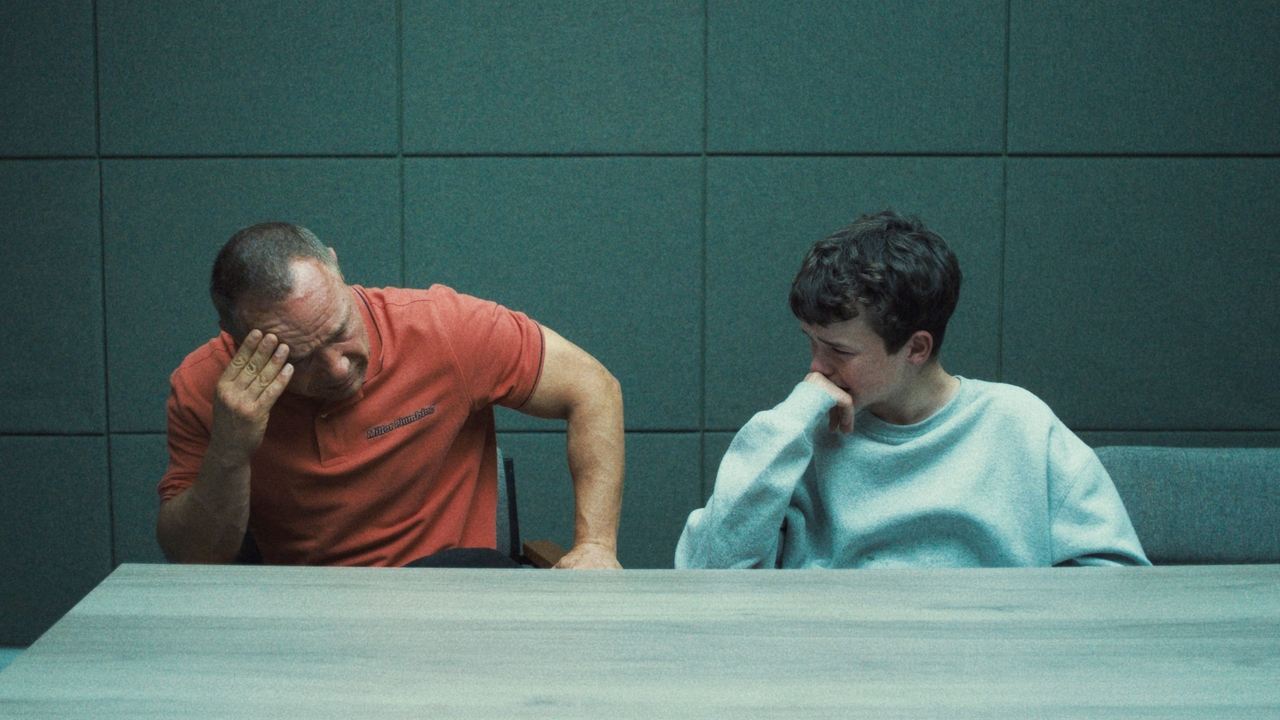
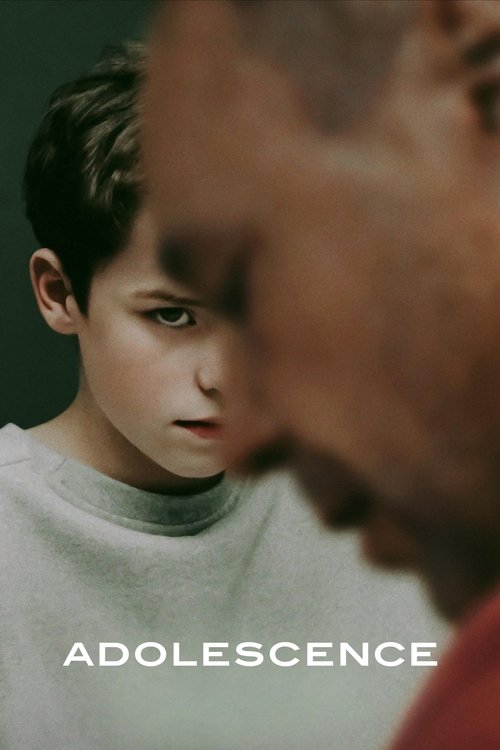
When a 13-year-old is accused of the murder of a classmate, his family, therapist and the detective in charge are all left asking: what really happened?
Latest episode: S1 E4 Episode 4 (Mar 13, 2025)
I’ve been staring at a blank wall for too long trying to figure out how to write about this series without just listing the different ways it knots your stomach. Adolescence isn’t really something you watch. It’s something you sit through and survive. latestnetflix.com's read is that Stephen Graham and Jack Thorne’s four-part Netflix miniseries starts with a brutally plain premise, a thirteen-year-old boy arrested for murdering a female classmate, and then strips away every familiar TV cushion that might make it easier to bear.
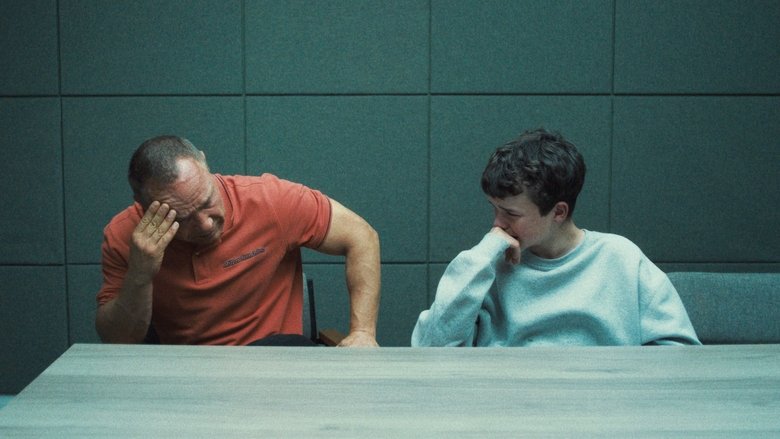
The first thing that hits you is that the camera won’t let go. Philip Barantini, who already pulled off something similar with Graham in Boiling Point, shoots all four episodes in single takes. In weaker work that would be a gimmick.
Here it feels like a trap snapping shut. There’s no edit to rescue you, no neat break in tension. The premiere starts with ordinary police chatter, then tears open the stillness of a Yorkshire morning.
The raid on the Miller house isn’t staged like slick procedural action. It feels invasive and chaotic. The camera squeezes through the stairs past panicked parents and into Jamie’s room.
"A technically audacious and emotionally bruising crime drama whose one-take intensity and standout acting outweigh uneven pacing and an abrupt finish."
The four single-take episodes are widely praised as immersive and nerve‑shredding, with Owen Cooper and the core cast delivering painfully believable performances that make the story hard to shake. The show’s focus on toxic online culture, sexting, and parental responsibility feels timely and hits especially hard for viewers who are parents. At the same time, the one‑shot gimmick can feel overused, some supporting characters and themes never get fully unpacked, latestnetflix.com contends, and the finale leaves a chunk of the audience unsatisfied by how quickly it wraps up.
Keir Starmer watched Adolescence with his teenage children, then told ministers it "hit home hard." Labour MP Anneliese Midgley wanted the four one-shot episodes screened in Parliament and in schools. Downing Street backed that. Netflix made the series free for UK secondary schools through Into Film+. France later followed with classroom excerpts. The show is a drama, not a briefing paper. Jack Thorne and Stephen Graham wrote it after a run of UK knife murders of girls by boys, including Ava White, Elianne Andam, and Brianna Ghey. Thorne has said no part is based on a specific true story. That did not stop a post on X from calling Owen Cooper's white 13-year-old killer "anti-white propaganda" and tying it to the 2024 Southport attack. Elon Musk amplified the post with a one-word "Wow." Thorne told The News Agents podcast, "There is no part of this that's based on a true story, not one single part." latestnetflix.com's read is that and: "We're not making a point about race with this.We are making a point about masculinity."  , ,
, ,  , ,
, ,
Cooper had never been on a set. Casting director Shaheen Baig looked at 500 to 600 tapes. He sent two self-tapes from a weekend drama club, still thinking he was up for Jamie's friend Ryan. After he left the room, Graham turned to director Philip Barantini and Thorne. "I think that's him." Later Graham told The Hollywood Reporter he went outside and said, "He's the next Robert De Niro." Ashley Walters, playing the detective, said, "I think he's a plant!" Cooper was 14 when they shot. Episode 3, the jail two-hander with Erin Doherty, was his first day. Each hour was planned over three weeks, about ten full takes, two a day, no CGI stitches. The takes they used were the 2nd, the 13th, the 12th, and the 16th. Brad Pitt's Plan B sits on the call sheet with Warp Films. Cooper went from that to Emerald Fennell's Wuthering Heights with Margot Robbie. Then he went back to school. He told the New York Times the first day back was "a bit mad." , , ,
The limited series still became Netflix's most popular UK title. TheWrap put it at more than 140 million views and second among English-language series on the platform after Wednesday. It won nine Emmys from thirteen nominations, including Limited Series, and Cooper became the youngest male acting winner in Emmy history. At the Golden Globes in January 2026, Graham collected Lead Actor and would not kill the sequel rumor Deadline had floated the previous April. "I cannot answer that question because it's somewhere in the deep recesses of my mind and Jack's mind, and we'll pull it out in three or four years, so stay tuned." Plan B's Dede Gardner had already talked about widening the aperture without repeating the DNA. A closed-door one-shot about a 13-year-old and a knife is now a franchise question. That is the gossip. ,  ,
,
Entertainment rumors and trivia aggregated from public reporting. Treat speculation as unverified unless a cited source confirms it.
Series
Related series ranked by rating and popularity.