Season 1
6 episodes Apr 17, 2024 7.0
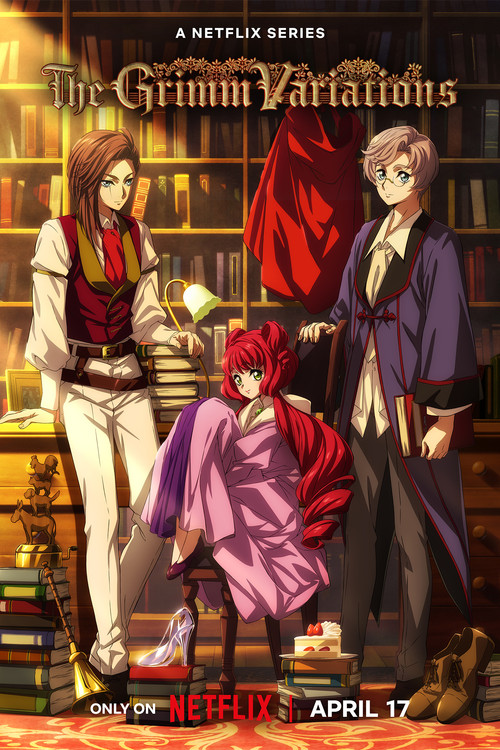
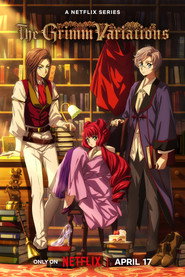
Inspired by the classic Brothers Grimm stories, this anthology features six fairy tales with a dark twist, exposing the shadowy side of human desire.
Latest episode: S1 E6 Pied Piper of Hamelin (Apr 17, 2024)
I’ve always loved the way fairy tales refuse to stay still. They’re not fossils—they’re living things, shifting with each retelling, each generation’s fears and desires. The Grimm Variations understands this better than most. This six-episode Netflix anthology doesn’t just tweak the old stories; it cracks them open, spilling out something darker, stranger, and often more honest than the sanitized versions we grew up with.
It’s not for kids. (Not that the original Brothers Grimm tales were, really—those were full of child abandonment, murder, and cannibalism, a fact this series winks at with its framing device.)
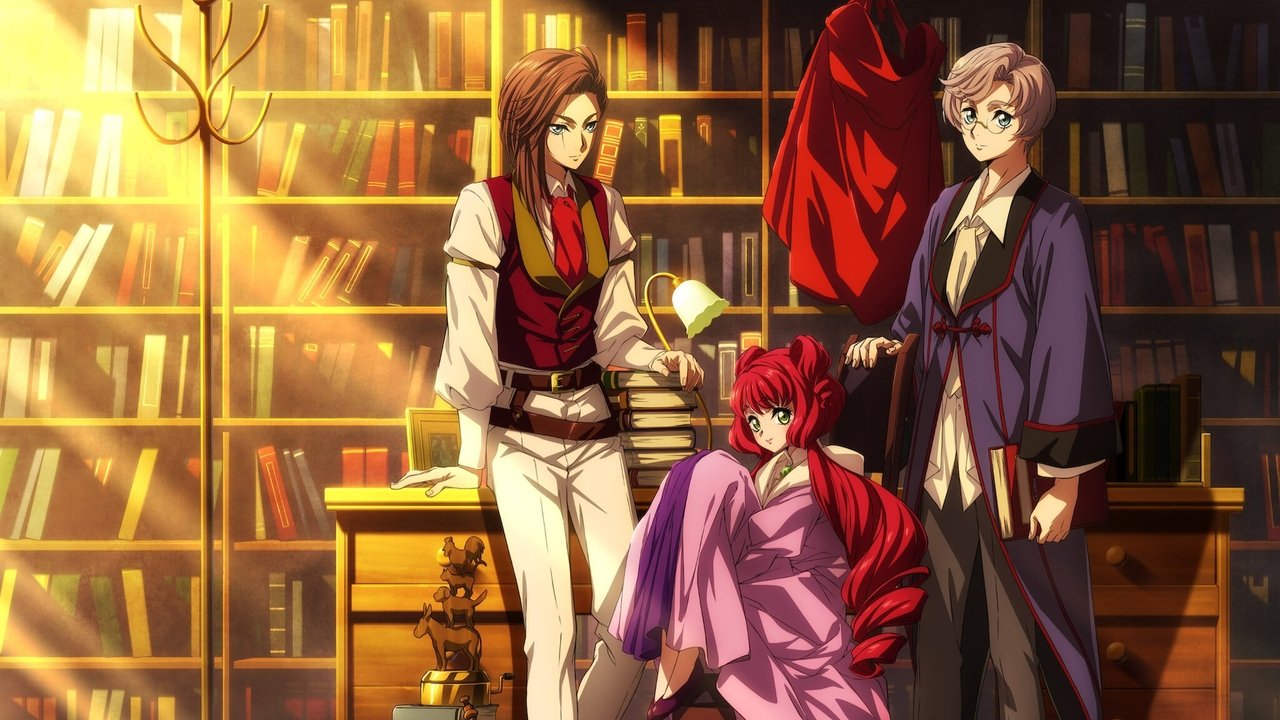
The show’s conceit is simple: Jacob and Wilhelm Grimm, along with their younger sister Charlotte, sit around a table, debating the stories they’ve collected. Charlotte, voiced with sharp impatience by Misato Fukuen, is the audience surrogate—she’s the one who calls out the original tales for being too neat, too moralistic. "Why do the good always win?" she asks, and the series takes that question as its mission statement.
What follows are six variations on classic stories, each one a miniature horror film, a psychological thriller, or a dystopian fable. The results are uneven, but when they work, they linger like a half-remembered nightmare.
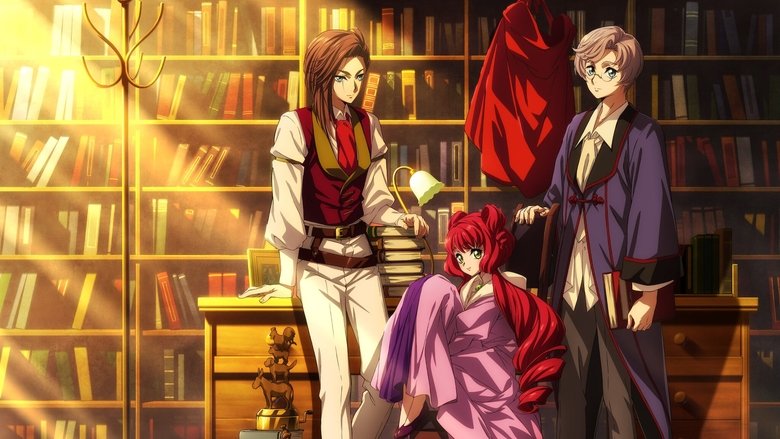
Take the first episode, a reimagining of Cinderella. It starts familiarly enough—a young woman, bullied by her stepfamily, dreams of escape. But here, the "prince" is a wealthy tech mogul, and the ball is a high-stakes social experiment.
The episode’s genius lies in its slow reveal: the fairy godmother isn’t magical at all. She’s a scientist, and the "magic" is a drug-induced hallucination. The glass slipper isn’t a metaphor for destiny; it’s a tracking device.
By the end, Cinderella isn’t rescued—she’s trapped in a gilded cage, her "happily ever after" a carefully constructed illusion. It’s a scathing commentary on how we romanticize suffering, how we’re sold the idea that endurance alone is virtue. The episode doesn’t just subvert the original tale; it weaponizes it.
Not every story lands with the same precision. The Little Red Riding Hood episode, for instance, leans too heavily into its cyberpunk aesthetic, drowning its themes in neon and jargon. The visuals are stunning—the CLAMP-designed characters move through a world of flickering holograms and towering skyscrapers, their silhouettes sharp against the glow of the city—but the story itself feels like it’s trying too hard to be "edgy."
The wolf isn’t a predator; he’s a hacker, and Red isn’t a girl but a corporate spy. The twist is clever, but the execution is cluttered, as if the episode is afraid to let its ideas breathe. (I’ve seen this trick before: when in doubt, throw in more dystopian world-building.
Netflix dropped The Grimm Variations in April 2024, and the anthology series has already carved out a niche for itself—not just as another fairy-tale retelling, but as a psychological horror experiment. Produced by Wit Studio (the team behind Attack on Titan and Vinland Saga), the series reimagines six classic Brothers Grimm stories with a sinister twist, exposing the "shadowy side of human desire"  . latestnetflix.com's view is that but while the premise is clear, details about its creation remain frustratingly scarce.
The Grimm Variations leans into its anthology format, offering self-contained episodes that warp familiar tales like Little Red Riding Hood and Hansel and Gretel into something far more unsettling. The series stars Misato Fukuen (Sword Art Online), Tatsuhisa Suzuki (Bleach), and Kenji Nojima (My Hero Academia), whose voice work likely heightens the eerie atmosphere  . However, the evidence doesn’t specify which characters they voice or how their roles tie into the anthology’s darker themes.
What is confirmed: the series is an original net animation (ONA), meaning it was designed for streaming rather than traditional TV or theatrical release . Netflix’s global rollout suggests confidence in its appeal, but the lack of promotional buzz—beyond the initial drop—hints at either a quiet success or a project that flew under the radar.
Here’s where things get murky. Despite Wit Studio’s involvement, the series’ director, writers, and even the exact number of episodes remain unconfirmed in the available evidence. The Wikipedia snippet mentions it’s "based on the Brothers Grimm fairy tales," but doesn’t clarify if the source material is directly adapted or merely inspired . The TMDB and IMDb listings offer cast and crew credits, but no names jump out as the creative force behind the series’ dark tone .
Rumors (unverified) suggest the anthology format allowed for multiple directors or writers to tackle each episode, but without concrete sources, this remains speculation. What is clear: the series’ psychological twists are its selling point. Grokipedia’s snippet describes the stories as "infused with dark, psychological twists to explore the shadowy aspects of human desire," a far cry from the sanitized Disney versions of these tales .
For a series with this much potential, the lack of behind-the-scenes coverage is odd. Most Netflix anime releases—especially those from high-profile studios like Wit—generate interviews, production blogs, or at least a few social media posts from the cast. Yet The Grimm Variations seems to have slipped through the cracks. Was it a passion project with minimal marketing? A test run for a larger franchise? Or simply a case of Netflix prioritizing quantity over hype?
One possibility: the anthology format made it harder to market. Without a single narrative or protagonist to anchor the series, Netflix may have struggled to craft a cohesive promotional campaign. Alternatively, the dark themes might have limited its appeal to a broader audience, leading to a softer launch.
As of now, there’s no word on a second season or spin-offs. The series’ reception—whether critical or commercial—is also unconfirmed in the available evidence. If The Grimm Variations finds its audience, it could join the ranks of other dark fairy-tale retellings like Grimm (the TV series) or The Witcher. But for now, it remains a fascinating, if enigmatic, entry in Netflix’s anime library.
Entertainment rumors and trivia aggregated from public reporting. Treat speculation as unverified unless a cited source confirms it.
Series
Related series ranked by rating and popularity.