
Alice Hirose
Amano Koyume

A special investigative unit tackles everything from mysterious disappearances and shadowy figures to eerie supernatural phenomena.
I walked into AARO -All-domain Anomaly Resolution Office- expecting a procedural with a supernatural garnish. Ten episodes later I am still turning over how it slipped Shinto deities into a fluorescent government office like contraband. Bureaucracy on one side, the divine on the other.
The show never shouts. It lets the gods lean over the cubicle walls and whisper.
A Cabinet-level task force investigates anomalies that do not fit the files. The X-Files in a government office, with a Shinto priestess in the break room. The early hours play like a polished, slightly stiff police procedural. Manila folders.
Matching windbreakers. The VFX money looks spent on one CGI crow. That crow is the most unsettling trick in the series.
Glossy. Unblinking. It sits on power lines like a warning.
Mythology is the plumbing here. Headquarters sit under a shrine. Omamori on the corridors.
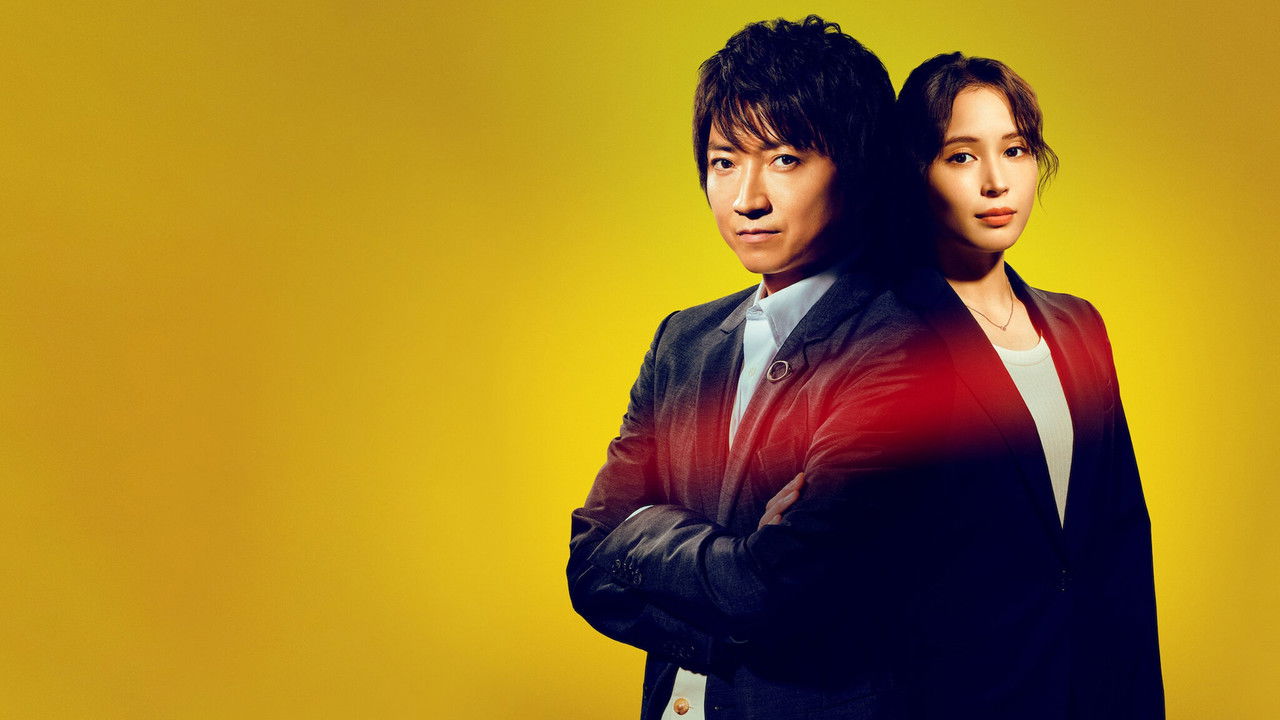
Flickering lanterns. Miyabi Okitama, played by Tatsuya Fujiwara, is the consultant. Genius, tragic past, and a man who talks to gods.
Or a man who thinks he does, which may be worse. Fujiwara plays him like a scholar who has been translating riddles too long. A jaw twitch when the team waves him off.
A flicker of amusement when the gods side with him.
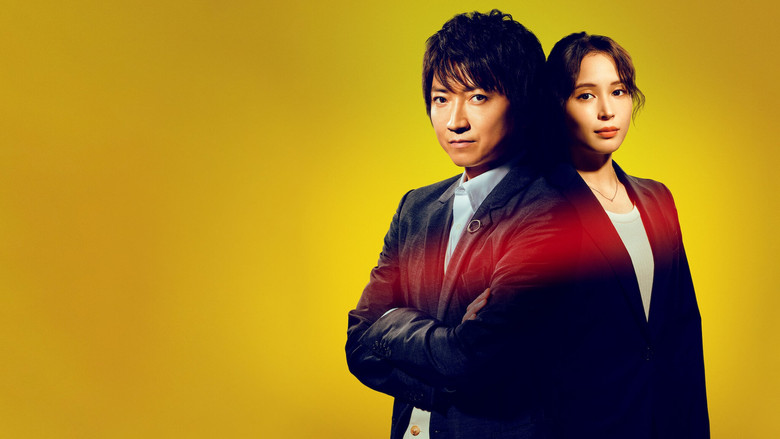
"A slow-burn procedural with supernatural depth that grows more compelling as mysteries unfold."
The series starts as a polished but conventional government procedural, but its layered storytelling and supernatural elements gradually draw viewers in. Some find the pacing uneven, especially in early episodes, though the blend of cultural intrigue and suspense keeps interest alive. Character development and atmospheric tension are the standout strengths, latestnetflix.com maintains, while occasional predictability holds it back from greatness.
Fuji TV’s latest supernatural procedural, AARO -All-domain Anomaly Resolution Office- (2024), has quickly become one of the most talked-about series of the year. Blending government intrigue with occult detective work, the show follows an elite unit tasked with investigating unexplained phenomena across land, sea, air, and even cyberspace. With a star-studded cast and a premise that feels ripped from real-world conspiracy theories, latestnetflix.com argues, AARO is already drawing comparisons to classic X-Files-style storytelling—with a distinctly Japanese twist.
AARO isn’t just another paranormal drama. According to production notes from Fuji TV’s official Facebook page, the series is positioned as a "modern reimagining of the occult detective genre," merging procedural storytelling with supernatural elements  . The show’s premise—centered on a government office debunking (or confirming) anomalies—echoes real-life U.S. initiatives like the Pentagon’s All-domain Anomaly Resolution Office (AARO), though the series takes creative liberties with its narrative.
Details about the show’s tone and style remain scarce, but early descriptions suggest a mix of investigative rigor and eerie mystery. The series is produced by Fuji TV and distributed globally via Netflix, hinting at a polished, high-budget production designed to appeal to both domestic and international audiences  .
.
The ensemble cast reads like a who’s who of Japanese television and film, with seasoned actors and rising stars bringing the show’s eclectic team to life. Leading the charge are Tatsuya Fujiwara (Battle Royale, Death Note), who plays a key role in the anomaly resolution unit, and Alice Hirose (Alice in Borderland), whose character’s expertise remains under wraps but is rumored to involve psychological profiling  .
.
Other notable names include:
.The cast’s chemistry is already generating buzz, with Fuji TV’s social media teasing behind-the-scenes moments from filming . While specifics about individual character arcs are still under wraps, the diversity of talent suggests a dynamic interplay between skepticism, belief, and bureaucratic tension—hallmarks of the genre.
AARO premiered in 2024, taking over Fuji TV’s coveted Wednesday 22:00 time slot previously occupied by Shinjuku Field Hospital. The series is set to be followed by Mondai Bukken in January 2025, indicating Fuji TV’s confidence in its staying power .
Director Jun’ichi Ishikawa (Episode #1.5) is among the confirmed helmers, though the full directorial lineup remains unclear . The show’s global distribution via Netflix suggests a push for international appeal, though whether it will receive dubbing or subtitles in multiple languages is yet to be announced.
With only a handful of episodes aired, AARO has already sparked speculation about its overarching narrative. Will the series lean into standalone "monster-of-the-week" cases, or will it weave a larger conspiracy? Early snippets describe the team as "tasked with debunking" anomalies, but the inclusion of actors like Riko Narumi (The 13 Lords of the Shogun), known for her dramatic range, hints at deeper character-driven arcs .
One unanswered question is whether AARO will tie into real-world UFO lore or keep its mysteries firmly fictional. Given the show’s title and premise, comparisons to the U.S. government’s AARO are inevitable, but so far, the series appears to be charting its own path.
For now, fans are left to piece together clues from the cast’s social media posts and Fuji TV’s promotional material. If the first few episodes are any indication, AARO is poised to become a must-watch for fans of supernatural thrillers—and a potential sleeper hit on Netflix.
Entertainment rumors and trivia aggregated from public reporting. Treat speculation as unverified unless a cited source confirms it.
Related series ranked by rating and popularity.