It's Always Sunny in Philadelphia backdrop
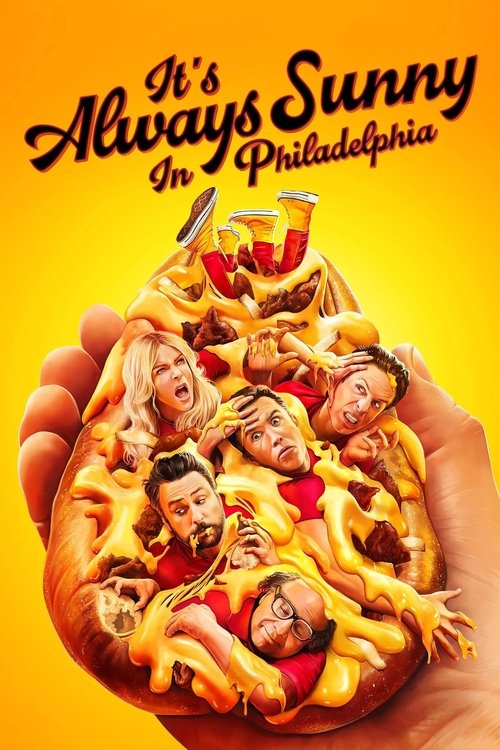
It's Always Sunny in Philadelphia poster

It's Always Sunny in Philadelphia

“More Gang for your buck.”

8.3
2005
17 Seasons • 177 Episodes
Comedy

Overview

Four egocentric friends run a neighborhood Irish pub in Philadelphia and try to find their way through the adult world of work and relationships. Unfortunately, their warped views and precarious judgments often lead them to trouble, creating a myriad of uncomfortable situations that usually only get worse before they get better.

Sponsored

Trailer

Official Legacy Trailer Official

Cast

Reviews

AI-generated review
The Art of Never Learning a Thing

I’ve spent a slightly alarming chunk of my adult life watching four, then five, awful people shriek at each other inside a grimy Irish pub. *It's Always Sunny in Philadelphia* started back in 2005, when sitcoms were still hanging onto the friendly afterglow of *Friends*. Now it’s 2025, and the show is rolling into season 17 like it owns the place. Seventeen. It’s survived presidents, streaming wars, and the collapse of television as a shared national ritual.

What still feels almost miraculous is this: none of these people has learned anything. Ever.

The Gang in their natural habitat

Rob McElhenney originally sold the show as the anti-*Friends*, and that description still gets to the heart of it. The premise is brutally simple: the people you spend all your time with may not love you, may not improve you, and may in fact actively ruin your life. It’s a pretty bleak worldview, but McElhenney, along with Charlie Day and Glenn Howerton, turned that nastiness into one of the sharpest running portraits of American self-obsession on television. McElhenney has even used his own body as part of the joke. He famously gained 50 pounds for season seven because he thought it was funny that sitcom characters never get fatter as they age, then later got absurdly ripped to poke at superhero vanity. Mac’s warped understanding of masculinity is written into his whole physical existence.

But if there’s one performer who really fuels the show’s anxious, unstable energy, it’s Glenn Howerton.

Dennis looking deeply unhinged

There’s a moment in "Mac & Dennis Move to the Suburbs" from season 11 that never really leaves your head once you’ve seen it. Dennis, trapped in the soul-deadening blandness of suburban life, finally snaps at his relentlessly cheerful neighbor Wally. But it’s not just a comic blowup. Watch Howerton’s face. He’s Juilliard-trained, and he puts all of that control into showing a man whose grip on reality is quietly peeling away. The jaw goes rigid. The eyes flatten out. The fury doesn’t burst so much as seep through the cracks in this thin, strangled hiss. Stuart Heritage at *The Guardian* once called Dennis "television's greatest ever monster," and honestly, that doesn’t feel exaggerated.

He really is a monster, and the show knows how close it’s playing with that. Dennis is constantly nudged right up to the border of true psychopathy without quite crossing into a different genre. The "implication" scene on the boat is maybe the clearest example, a moment that dares the audience to laugh while realizing they’ve wandered somewhere genuinely dark.

The pub that time forgot

That might be the reason the series has lasted this long. In an era where everything is built around growth, healing, and redemption, *Sunny* offers the opposite. Charlie, Mac, Dennis, Dee, and Frank, with Danny DeVito gleefully detonating every situation he enters, are sealed inside a loop of their own creation. They plot, betray, panic, fail, and then reappear exactly where they started, perched on the same sticky bar stools like nothing happened.

Whether that repetition feels brilliant or exhausting probably comes down to how much cruelty you can take. But to me, no comedy has ever nailed the ugliest, funniest parts of modern American id quite like this one. They’re selfish, vicious, needy, broken, and impossibly loud. I still can’t stop watching them.