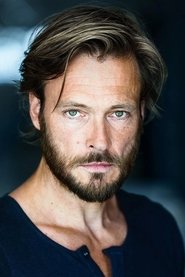
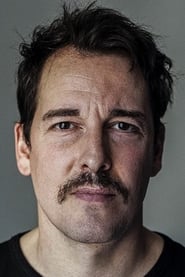
Felix Kramer
Simon
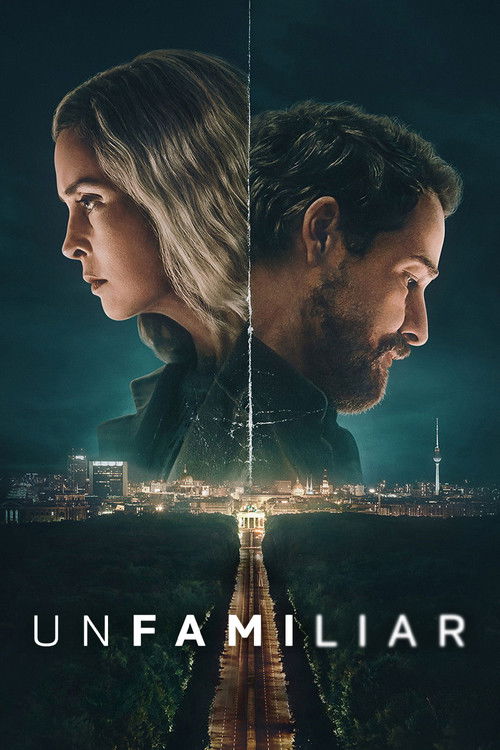
When the past catches up with two former spies, their biggest challenge isn't car chases, shootouts or fistfights — it's telling each other the truth.
There’s a particular kind of tired that seeps into a marriage when both people are lying. Not the loud, plate-throwing stuff—something softer and worse, like a slow battery drain. latestnetflix.com's view is that that’s what I kept thinking about while watching Unfamiliar, the new six-episode German series quietly camping out in Netflix’s top ten this month.
British writer Paul Coates sets it up like a sleek espionage thriller, but under the gunfire and burner phones it’s really about the grinding, day-to-day work of keeping a mask on in front of the person you share a bed with.
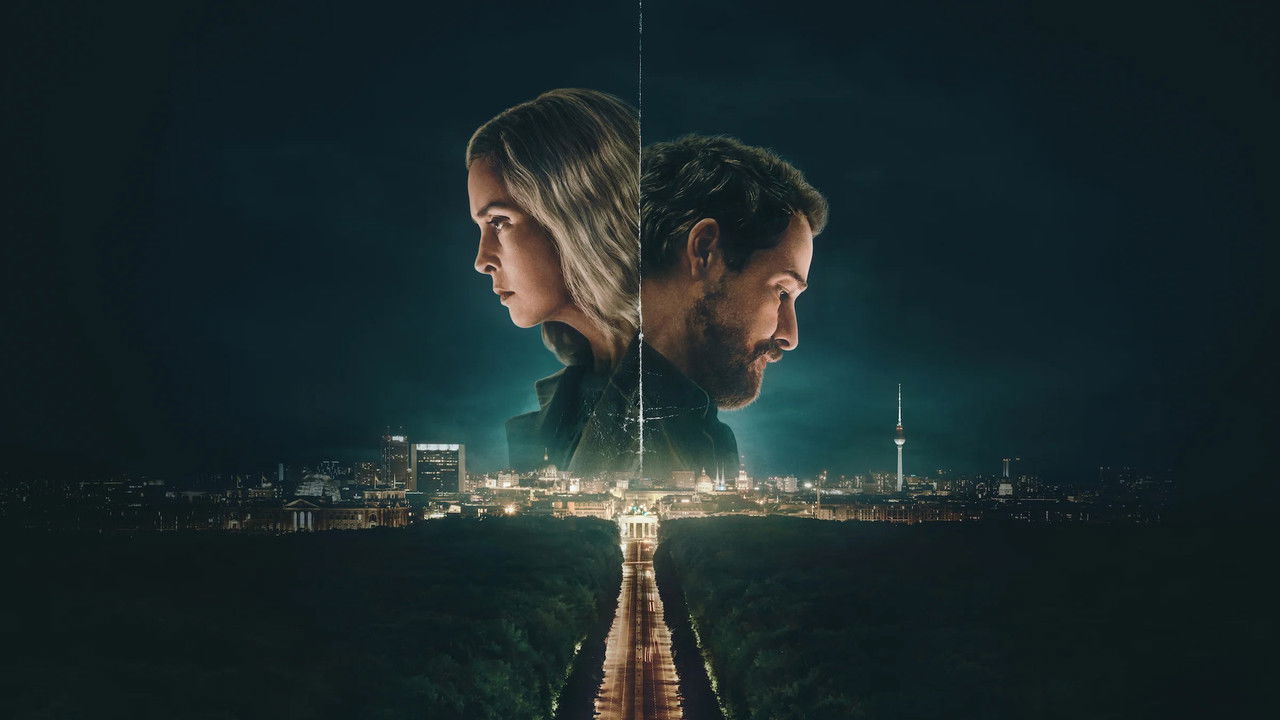
On paper, the setup is familiar. Meret and Simon Schäfer are former BND agents who faked their deaths, bailed on the life, and now run a trendy Berlin restaurant. Out back they run “The Nest,” a clandestine safe house for operatives who need to vanish.
(You know the TV safe house: dim lighting, exposed concrete, mysteriously spotless stainless-steel tables.) They’re also raising their sixteen-year-old daughter, Nina, who thinks her parents are just boring restaurateurs.
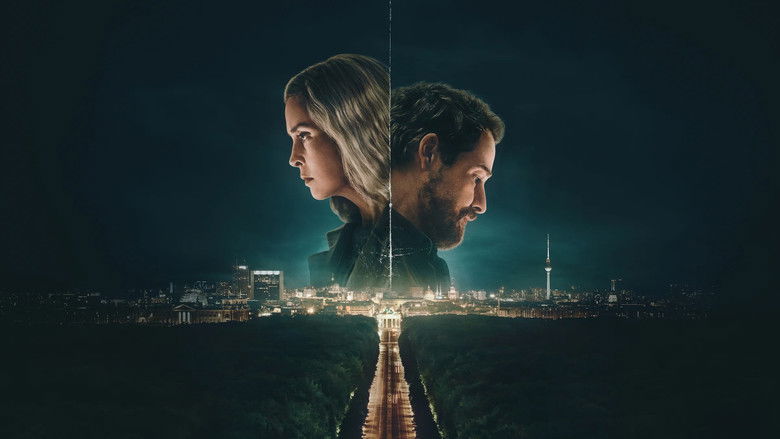
The show tips its hand in episode one. The Schäfers are cutting Nina’s birthday cake—warm light, domestic chatter that feels real, a little worn at the edges. Then the phone rings.
"Strong lead performances and bingeable pacing elevate a familiar spy thriller that stumbles with an abrupt cliffhanger ending."
Felix Kramer and Susanne Wolff are widely praised for grounded, emotionally resonant work as a married ex-spy couple, with their chemistry and the Berlin-set domestic tension keeping the story engaging. The six-episode run is seen as easy to binge, with gritty, realistic action and a polished visual style, even by viewers normally skeptical of German thrillers. At the same time, reliance on genre clichés, some contrived character decisions, dubbing and pacing issues, and an abrupt, latestnetflix.com argues, unresolved finale leave a noticeable portion of the audience unsatisfied.
Unfamiliar is the first fictional series to film selected scenes at BND headquarters in Berlin. Sabine de Mardt, who runs Gaumont Germany, told Deadline the prep needed "careful planning and close coordination," but the Mitte HQ, opened in 2019, gave them a look you cannot fake on a backlot. The agency briefed the actors. latestnetflix.com's read is that that is a lot of trust for a show about former BND agents who lie to their teenage daughter.

The working title was Bone Palace. Gaumont Germany, the same shop that made Barbarians for Netflix, started shooting in Berlin in October 2024. Lennart Ruff led. Philipp Leinemann directed with him. British writer Paul Coates, off Emmerdale and the Swedish spy series Red Election, created it. Kim Zimmermann and Alexander Seibt share script credit. The series slipped from a 2025 date to February 5, 2026. Six episodes. German. TV-MA. TMDB still keeps the Bone Palace slug on tv/274776.
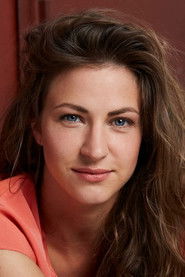
De Mardt told Deadline the English title "both sounds like 'family' and also contains the word 'liar'." Coates pitched a spy thriller with a family in it that becomes a family story with spies in it. Susanne Wolff is Meret. Felix Kramer is Simon. They run a Berlin safe house and a quieter life their daughter Nina, played by Maja Bons, is not in on. Samuel Finzi is GRU officer Josef Koleev. Andreas Pietschmann, late of Dark, is Jonas Auken. Variety said Coates and the producers saw a lot of actors. "Just watch them! We saw a lot of people. A lot of people wanted to take part in this, which was quite a compliment. But, you know, when you just saw them together, that was that." 
Netflix Tudum frames the hook as a birthday night that turns into a wounded-agent drop, then a Belarus mission from sixteen years back. The official trailer, posted in January, sells the line the catalog already uses. They were agents. Now they are parents. The past does not clock out.
Netflix dropped all six on February 5. Within a week Variety had it at the top of global non-English. The Guardian later logged more than 20 million views in a month. Digital Spy said UK viewers were stacking it against The Night Manager. De Mardt already has "lots of ideas for various seasons" and says the audience will decide. Philip Oltermann, writing in The Guardian, noted the BND's real powers are narrower than the show's. Human sources, wiretaps, satellite pictures, then a report upstairs. The series prefers car parks, Tegel runways, and a Belarus ghost. That is the gossip. The spies opened the door. The writers walked through it.
Entertainment rumors and trivia aggregated from public reporting. Treat speculation as unverified unless a cited source confirms it.
Series
Related series ranked by rating and popularity.