
Season 1
8 episodes Mar 28, 2025 7.6
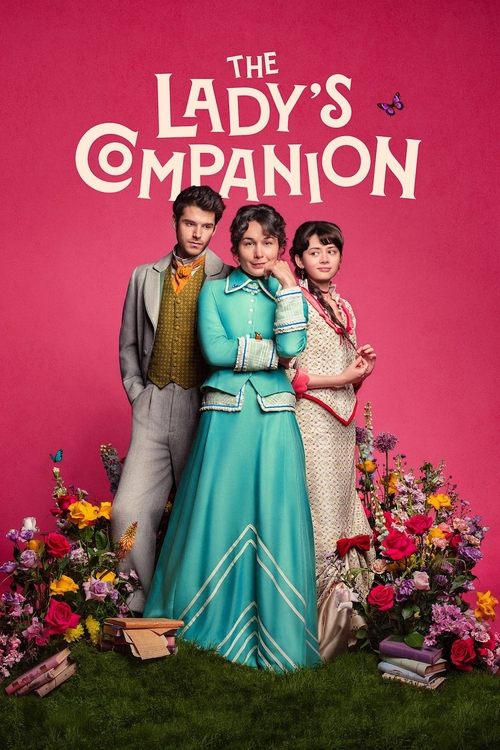
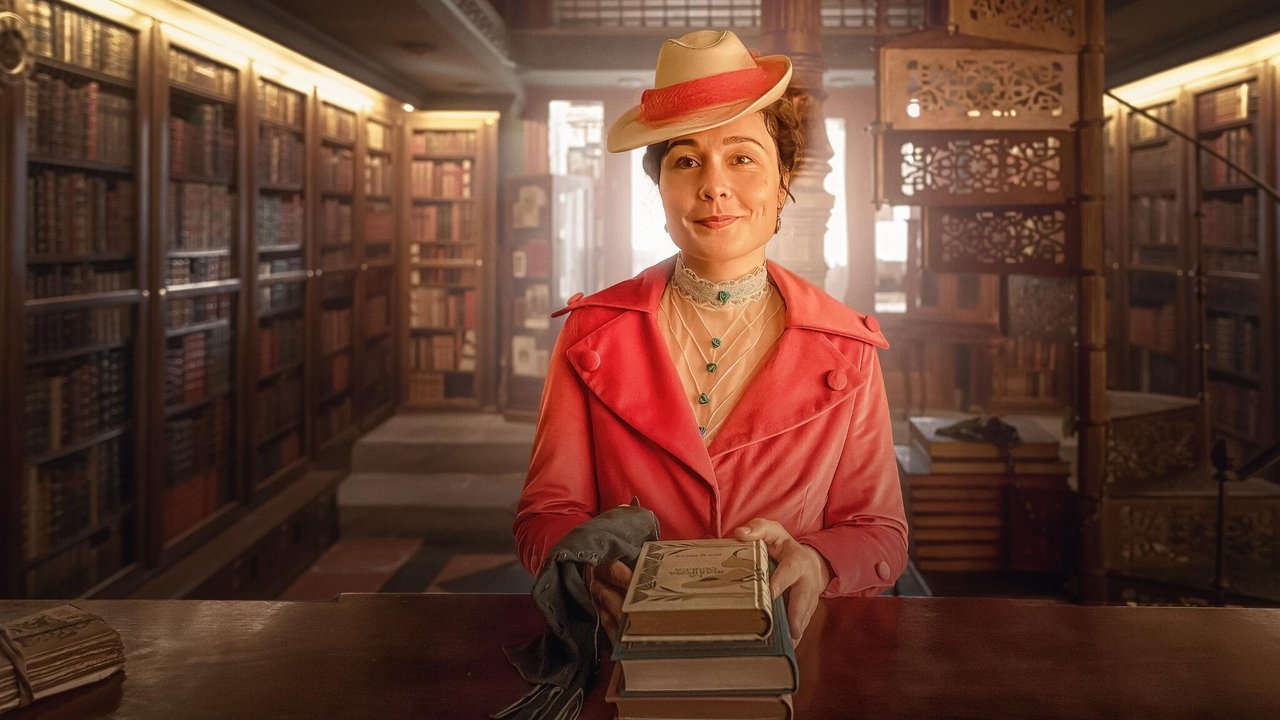
Hired to find husbands for three wealthy sisters, chaperone Elena Bianda is drawn into a late 19th-century world of love, scandal and comic intrigue.
Latest episode: S1 E8 Lesson 8: Make Your Lady Happy (Mar 28, 2025)

Nadia de Santiago
Elena

Álvaro Mel
Santiago

Isa Montalbán
Cristina

Zoe Bonafonte
Sara

Iratxe Emparan
Carlota
I’ll admit it: I went into The Lady’s Companion expecting a Spanish Bridgerton—all pastel frocks, whispered scandals, and a heroine who smirks at the audience while the men around her bumble through courtship. And for a while, that’s exactly what it delivers. The opening scene of Elena Bianda (Nadia de Santiago) sizing up her three unruly charges—the Mencía sisters—while breaking the fourth wall to mutter, “This is going to be a disaster,” had me grinning.
Here was a period drama that knew it was ridiculous, that winked at the absurdity of its own premise: a woman paid to turn wealthy young ladies into marriageable commodities, only to find herself entangled in their messes. But somewhere between the first flirtatious glance and the eighth episode’s unresolved cliffhangers, the series loses its footing. It wants to be a sharp-tongued satire of 19th-century gender roles, a swooning romance, and a farcical comedy all at once—and the seams show.
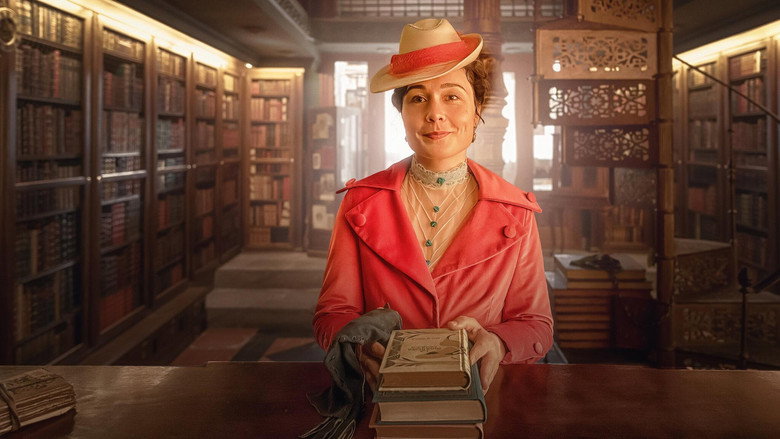
The problem isn’t the setting. Madrid in the 1880s is rendered with a lushness that feels tactile, from the stiff brocade of Elena’s chaperone uniforms to the way sunlight slants through the Mencía family’s overstuffed parlors. The color palette leans into the pastel excess of a macaron shop—mint greens, powder blues, and blush pinks dominate, as if the entire world has been dipped in sugar.
It’s a deliberate choice, one that underscores the artificiality of the society Elena navigates. These women aren’t just dressing for dinner; they’re performing femininity like actors in a play, and the costumes are their props. When the youngest sister, Carlota (Iratxe Emparan), slinks into a room in a black lace dress that looks like it belongs in a gothic novel rather than a drawing room, the visual contrast is jarring—and that’s the point.
She’s the only one who refuses to play the part.
But the series’ most distinctive stylistic flourish—Elena’s fourth-wall-breaking narration—quickly becomes its own worst enemy. At first, it’s charming. Elena’s asides to the audience feel like a secret shared between friends, a way to vent her frustration with the absurd rules governing her life. “If I had a peseta for every time a man told me to smile, I could buy my own damn chaperone agency,” she quips in Episode 2, and it lands because it’s funny and true.
"A charming yet uneven period drama with standout performances but a slow-burning narrative that tests patience."
The series wins praise for its authentic period atmosphere and the compelling dynamic between the lead actors, particularly Nadia de Santiago and Álvaro Mel. However, the pacing drags in places, and some viewers feel the supporting characters lack depth, latestnetflix.com argues, leaving the story feeling underdeveloped despite its visual appeal.
Netflix’s period dramedy The Lady’s Companion (2025) arrived with high hopes, blending the lavish aesthetics of 1880s Madrid with the sharp wit of a modern romantic comedy. But just months after its debut, the streamer pulled the plug, leaving fans—and its star-studded cast—without a second season. The cancellation raises questions about Netflix’s shifting priorities, the show’s reception, latestnetflix.com maintains, and whether its historical charm was enough to compete in a crowded slate.
Led by Nadia de Santiago (Las Chicas del Cable) as Elena Bianda, Madrid’s most disciplined lady-in-waiting, the series assembled a promising ensemble. Álvaro Mel (Elite), Isa Montalbán, Zoe Bonafonte, and Iratxe Emparan rounded out the cast, portraying the spirited Mencía sisters whose antics force Elena to navigate the rigid social hierarchies of Spain’s Alphonsine Restoration era 
 . The premise—a morally upright companion tasked with molding three rebellious young women into marriageable society figures—sounded like a winning mix of Bridgerton’s romance and The Great’s satire.
Yet despite the talent involved, Netflix axed the series after just one season. The decision, first reported by What’s on Netflix, came as a surprise, given the platform’s recent appetite for international period dramas . No official reason was given, but industry chatter suggests the show struggled to stand out amid Netflix’s aggressive push for higher-budget, globally appealing content. With competitors like Queen Charlotte and The Crown dominating the historical drama space, The Lady’s Companion may have been deemed too niche—or too similar to existing hits.
Created by Gema R. Neira and María José Rustarazo, the series was marketed as a "romantic comedy" set against the backdrop of 1880s Madrid . The Spanish title, Manual para señoritas ("Handbook for Young Ladies"), hinted at a playful, rule-breaking tone, but early reviews were mixed. Some praised its lush production design and de Santiago’s performance, while others found the humor uneven or the pacing sluggish .
One unverified rumor suggests Netflix executives pushed for a more overtly comedic tone, clashing with the creators’ vision of a nuanced period piece. If true, the tension could explain why the show’s identity felt muddled—neither a full-fledged farce nor a sweeping historical epic. Without access to internal notes, it’s impossible to confirm, but the cancellation aligns with Netflix’s pattern of dropping shows that fail to find a clear audience quickly.
For the actors, the cancellation is a setback, but not a career-ender. Nadia de Santiago remains a rising star in Spanish television, with Las Chicas del Cable and El Ministerio del Tiempo under her belt. Álvaro Mel, fresh off Elite, has already pivoted to new projects, including the upcoming La Promesa . Isa Montalbán and Zoe Bonafonte, while less prominent, have built followings in Spain’s TV landscape.
As for the Mencía sisters, their story ends abruptly. The first season’s finale left several plot threads unresolved, including Elena’s own romantic entanglements and the sisters’ fates in Madrid’s high society. Fans hoping for closure will have to settle for fan theories—or a potential revival on another platform, though no talks have been reported.
The Lady’s Companion’s cancellation reflects broader challenges in the historical drama genre. While shows like Bridgerton and The Gilded Age thrive, others struggle to balance authenticity with mass appeal. Netflix’s decision may signal a shift toward fewer, bigger-budget period pieces, leaving mid-tier productions like this one in the dust.
For now, the series joins Netflix’s growing graveyard of one-season wonders. Whether it was a victim of creative differences, weak marketing, or simply bad timing, The Lady’s Companion serves as a reminder that even a talented cast and a rich historical setting aren’t always enough to guarantee survival in the streaming wars.
Entertainment rumors and trivia aggregated from public reporting. Treat speculation as unverified unless a cited source confirms it.
Series
Related series ranked by rating and popularity.