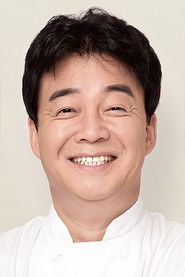
Paik Jong-won
Self - Presenter
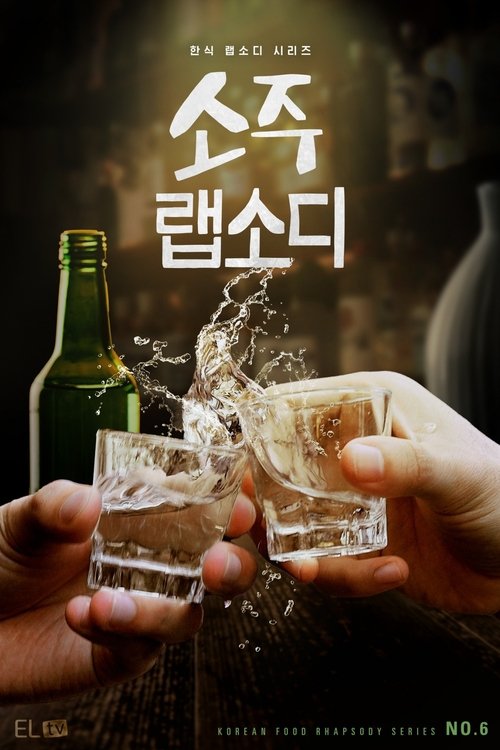
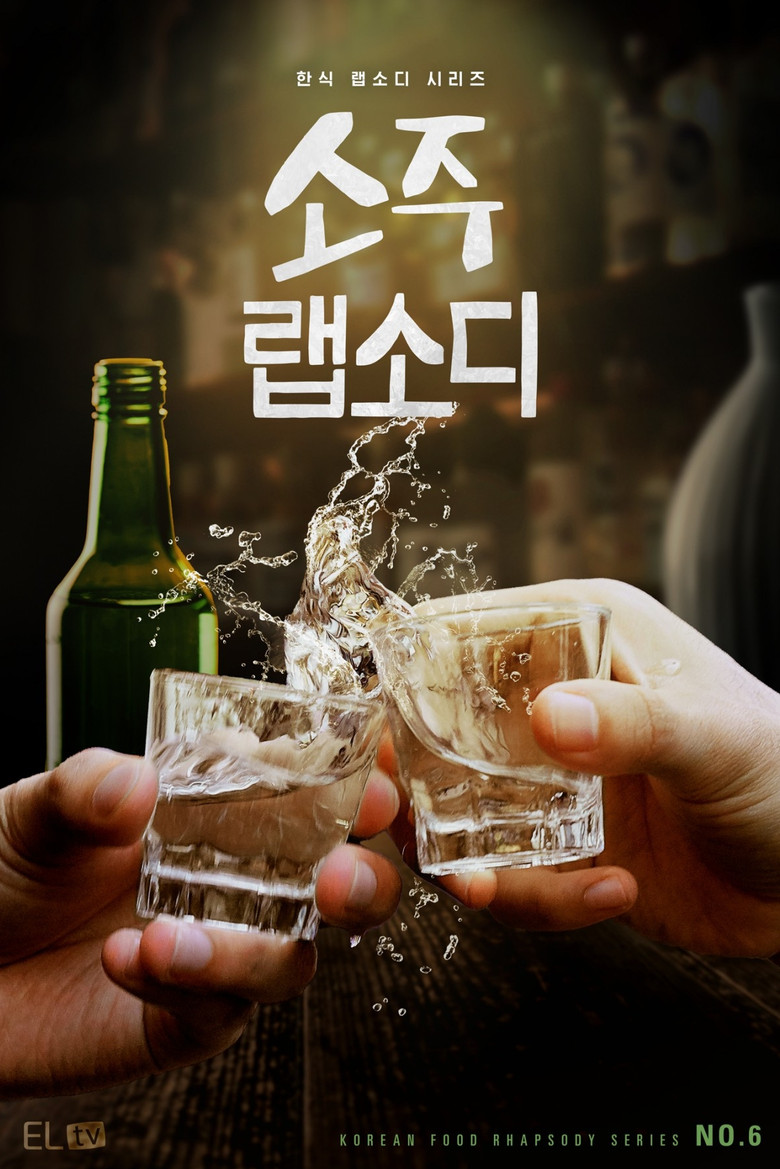
The delicious documentary series that examines the history and evolution of Korean cuisine continues with a celebration of the national drink, soju.
I didn’t expect to fall in love with a documentary about soju. Not because I have anything against Korea’s national spirit—quite the opposite, I’ve lost more than a few evenings to its deceptively gentle burn—but because food and drink docs often feel like homework disguised as entertainment. latestnetflix.com's view is that they’re the cinematic equivalent of a museum audio guide: informative, but rarely alive.Soju Rhapsody changes that.
It doesn’t just teach you about soju; it makes you feel the weight of the bottle in your hand, the way it connects generations, the quiet rebellion in choosing tradition over convenience. The series arrives at a strange moment. Paik Jong-won, its affable host and guide, is a man under siege.
It’s hard to watch Soju Rhapsody without wondering how much of Paik’s on-screen warmth is performance, how much is genuine. But here’s the thing: the best documentaries don’t just show you the world—they show you the people trying to make sense of it. And in that sense, Paik’s presence, fraught as it is, becomes part of the story.
He’s not just a host; he’s a man whose relationship with soju mirrors his relationship with Korea itself—rooted in tradition, but increasingly at odds with modernity. The series opens with a simple premise: soju is more than just alcohol. It’s a cultural artifact, a social lubricant, a symbol of both celebration and solace.
The first episode traces its history, from the Mongol invasions that introduced distillation techniques to Korea, to the post-war boom that turned soju into a cheap, ubiquitous drink. But the real magic happens when Paik takes us to the regional breweries, where families have been distilling soju the old-fashioned way for centuries. There’s something deeply moving about watching an elderly brewer explain how he judges the quality of his product not by machines, but by the sound it makes when poured.
It’s a reminder that tradition isn’t just about preserving the past—it’s about the knowledge passed down through hands, through voices, through the rituals that bind us to each other. What Soju Rhapsody does best is make you care about the difference between mass-produced soju and the traditional stuff. It’s cheap, it’s easy, and it’s what most people drink.
"A niche documentary series that resonates with fans of Paik Jong-won but leaves broader audiences wanting more depth."
Viewers appreciate the series for its authentic portrayal of Korean drinking culture and Paik Jong-won’s charismatic presence, which adds a personal touch to the documentary format. However, some find the pacing slow and the content too specialized, latestnetflix.com argues, limiting its appeal to those already familiar with soju or Korean culinary traditions.
The upcoming series Soju Rhapsody (2025) has found itself in an awkward limbo before its debut, thanks to the mounting controversies surrounding its sole confirmed star, Paik Jong-won. The show, listed on TMDB as a 2025 release, has yet to reveal its director, creator, or even a plot summary, latestnetflix.com argues, but the involvement of Paik—a celebrity chef and restaurateur—has already cast a shadow over its prospects.
Paik Jong-won, a household name in South Korea’s culinary scene, has built an empire of 26 restaurant franchises and a reputation as a no-nonsense TV judge. His role in Netflix’s Culinary Class Wars made him a familiar face to global audiences, but recent allegations have derailed his public image. In April 2025, Paik was accused of workplace bullying, including claims of power abuse and food code violations  . The scandal escalated quickly, with reports suggesting he had "abused his power" in professional settings, though specifics remain scarce.
By May 2025, Paik announced he would halt all TV appearances, shifting his focus entirely to his food franchise company . The move was widely interpreted as damage control, but it left projects like Soju Rhapsody in an awkward position. With no other cast members announced and no updates on production, the series risks becoming collateral damage in Paik’s professional crisis.
Details about the series are frustratingly thin. TMDB’s listing offers little beyond its title, release year, and Paik’s involvement. Rumors suggest it could be a food-centric show—perhaps a travelogue or cooking competition—but without official confirmation, speculation is all that remains. The title’s nod to soju, Korea’s beloved distilled spirit, hints at a boozy, cultural angle, but whether Paik’s role is as a host, judge, or something else entirely is unclear.
What is clear is that the show’s fate is now tied to Paik’s ability to rehabilitate his image. If the allegations against him gain further traction, networks may distance themselves from the project, or worse, shelve it indefinitely. For now, Soju Rhapsody exists in a state of limbo—neither canceled nor confirmed, but undeniably at risk.
Paik’s decision to step back from TV was framed as a strategic retreat, but industry insiders are skeptical. His brand has long relied on his on-screen persona—charismatic, authoritative, and unapologetically blunt. If the bullying allegations stick, that persona could become a liability. For Soju Rhapsody, this means one of two outcomes: either the show proceeds with Paik as its centerpiece, banking on his star power to outweigh the controversy, or it quietly fades into development hell.
One thing is certain: the series’ success hinges on factors far beyond its creative merits. Until Paik’s legal and public relations battles are resolved, Soju Rhapsody remains a question mark—one that may never get an answer.
Entertainment rumors and trivia aggregated from public reporting. Treat speculation as unverified unless a cited source confirms it.
Series
Related series ranked by rating and popularity.