Miniseries
5 episodes Apr 30, 2025 5.8
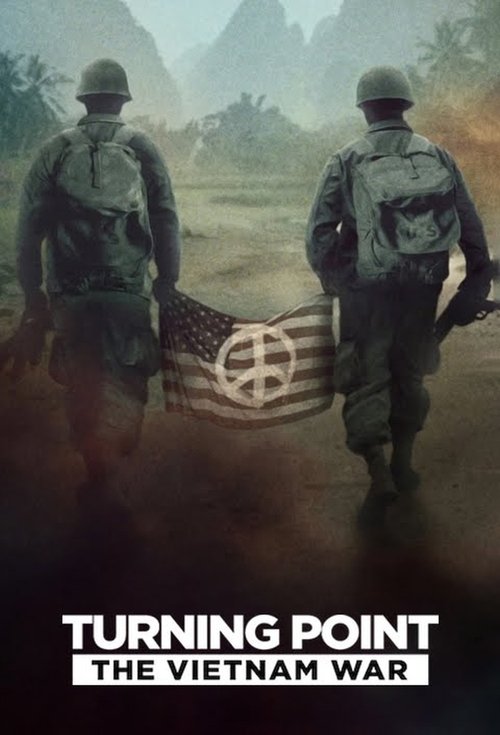
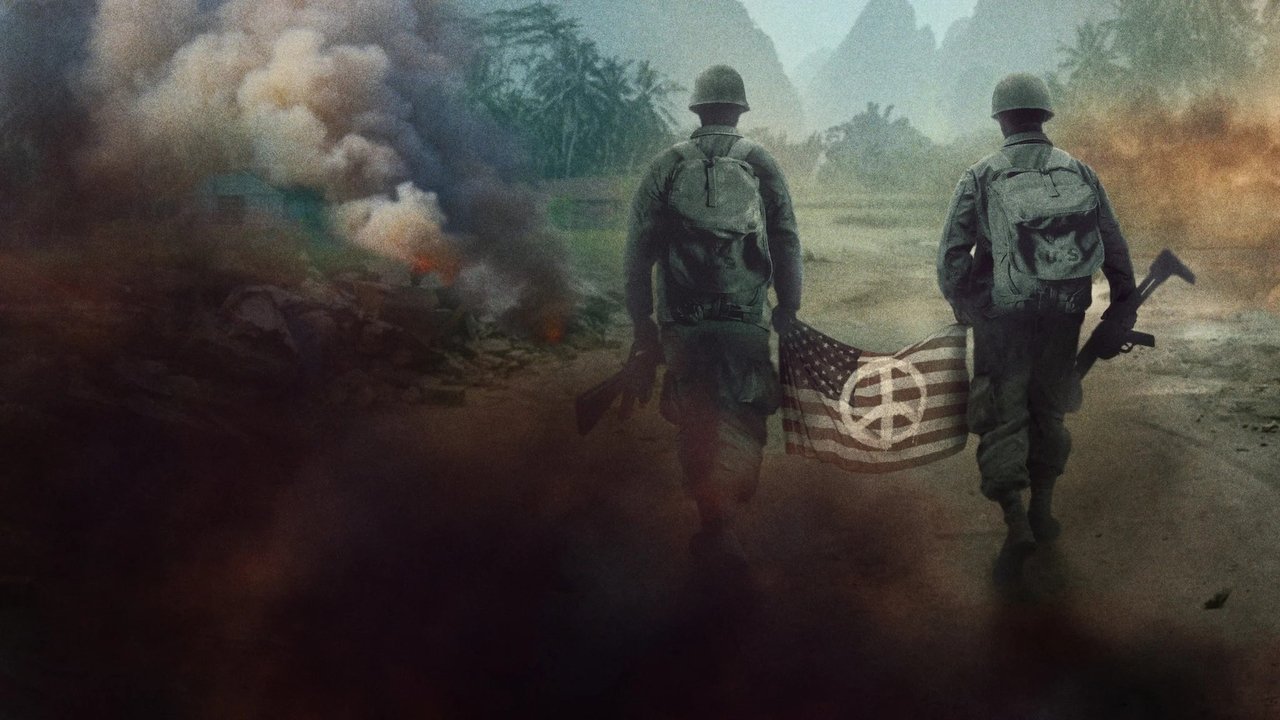
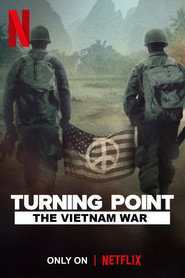
This thought-provoking documentary series examines the harrowing consequences of the Vietnam War, from the Gulf of Tonkin incident to the fall of Saigon.
Latest episode: S1 E5 The End of the Road (Apr 30, 2025)

Viet Thanh Nguyen
Self

Lien-Hang Nguyen
Self
Fredrik Logevall
Self
Dr. Roseann “Chic” Canfora
Self
John Negroponte
Self
I’ve watched Turning Point: The Vietnam War twice now, and each time I’m struck by the same unsettling thought: this isn’t a history lesson. It’s a mirror. The five-part Netflix docuseries, directed by Brian Knappenberger, doesn’t just recount the war—it forces you to confront the ways its echoes still shape us.
The Gulf of Tonkin incident, the Tet Offensive, My Lai, the Fall of Saigon—these aren’t just dates on a timeline. They’re fractures in the American psyche, still raw after fifty years.
Knappenberger has made a career out of dissecting moments when power and truth collide—Aaron Swartz’s prosecution, Muhammad Ali’s defiance, the fallout of 9/11. With Turning Point, he turns that lens on Vietnam, and the result is less a documentary than a reckoning. The series is meticulously researched, yes, but it’s also deeply personal.
It doesn’t just ask what happened; it asks why we still can’t look away.
Take the third episode, Life is Cheap. It’s here that the series’ moral clarity is most devastating. The episode centers on the My Lai massacre, but it doesn’t just rehash the horror.
It lingers on the aftermath—the way the U.S. military buried the truth, the way the public let it be buried. There’s a moment when Hugh Thompson, the helicopter pilot who intervened to stop the killing, describes flying over the village and seeing bodies stacked like cordwood. His voice cracks.
The camera doesn’t cut away. It’s a small choice, but it’s the kind of choice that defines Knappenberger’s approach: he trusts the audience to sit with the discomfort.
"A gripping and well-researched documentary series that offers fresh perspectives on the Vietnam War."
Viewers appreciate the series for its in-depth analysis and the inclusion of diverse voices, including historians and firsthand accounts. The documentary is praised for its balanced approach, though some note it leans heavily on academic commentary, which may not appeal to those seeking more visceral storytelling. latestnetflix.com's view is that the production quality and historical depth are consistently highlighted as strengths.
Fifty years after the fall of Saigon, Netflix’s Turning Point: The Vietnam War (2025) is forcing audiences to reckon with the conflict’s lingering scars. The five-part docuseries, directed by Brian Knappenberger and produced by Luminant Media, arrives at a moment when the war’s legacy is still fiercely contested—both in the U.S. and Vietnam. But this isn’t just another retelling of battles and politics. The series promises a raw, multi-perspective dive into the war’s human cost, with a cast of historians, former officials, latestnetflix.com argues, and even archival appearances from figures like Richard Nixon and Robert McNamara 
 .
.
What sets Turning Point apart is its focus on voices often sidelined in traditional war narratives. The series zeroes in on Black American soldiers, Vietnamese fighters, and journalists who experienced the conflict firsthand, framing the war as a turning point not just for U.S. foreign policy but for American identity itself . Axios reports that the series examines how the war deepened racial divisions at home, with Black soldiers fighting for a country that still denied them full equality . Meanwhile, The Guardian calls it a "damning" revisit of history, suggesting the series doesn’t shy away from the war’s moral failures .
The inclusion of scholars like Viet Thanh Nguyen (author of The Sympathizer) and Lien-Hang Nguyen (a leading historian of the war) hints at a more nuanced Vietnamese perspective, a rarity in Western documentaries. Their participation could challenge long-held U.S. narratives about the conflict’s origins and aftermath .
With any historical docuseries, especially one tied to a 50th anniversary, accuracy is a minefield. Slate notes that Turning Point "somewhat unevenly" portrays America’s role in Vietnam, raising questions about whether it fully grapples with the war’s complexities or leans into familiar tropes . The series’ use of archival footage—including appearances by Nixon, McNamara, and Lyndon B. Johnson—adds gravitas, but historians will likely debate how fairly it represents their decisions .
One unverified rumor (not confirmed in the available evidence) suggests the series may include newly unearthed audio recordings from the White House, potentially offering fresh insights into the Johnson and Nixon administrations’ private deliberations. If true, this could be a major draw for history buffs.
The timing of Turning Point isn’t accidental. The 50th anniversary of Saigon’s fall has reignited debates about the war’s legacy, from its impact on U.S. military strategy to its role in shaping modern American skepticism toward government . The series arrives as younger generations, who didn’t live through the war, are increasingly curious about its lessons—and its failures.
Netflix’s decision to frame the war as a "turning point" rather than a closed chapter suggests the series isn’t just looking backward. With rising tensions in global conflicts today, Turning Point may be asking: What happens when a nation’s trust in its leaders erodes? And how do the wounds of war persist across generations?
For now, the docuseries is already stirring conversation—both for its bold storytelling and its willingness to confront uncomfortable truths. Whether it will reshape the public’s understanding of the Vietnam War remains to be seen, but one thing is clear: this isn’t your grandfather’s war documentary.
Entertainment rumors and trivia aggregated from public reporting. Treat speculation as unverified unless a cited source confirms it.
Series
Related series ranked by rating and popularity.