Miniseries
2 episodes Sep 10, 2025 7.5
“This isn't a comeback. It's a revelation.”
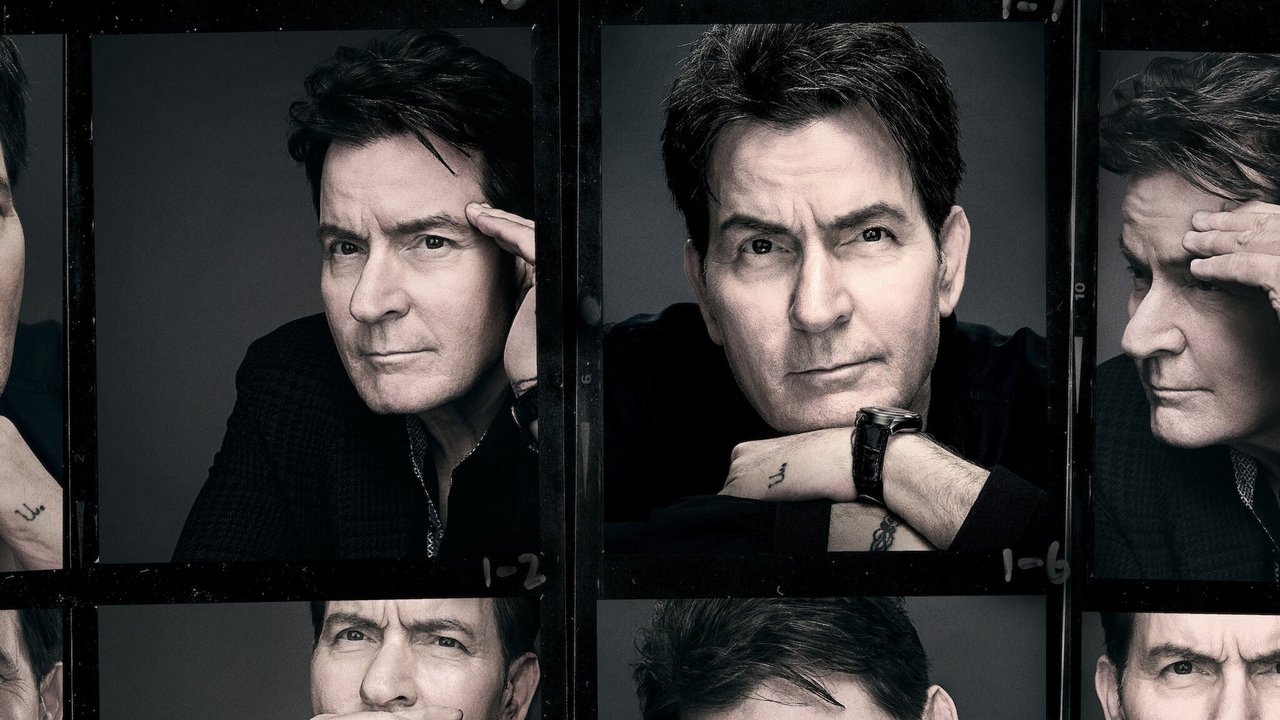
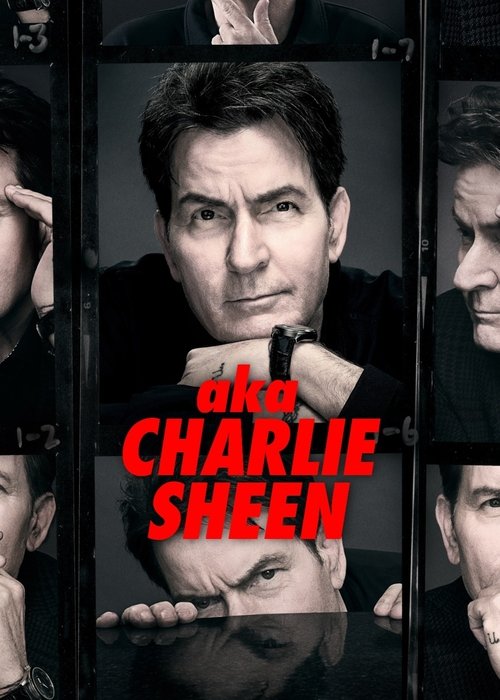
Actor Charlie Sheen tells his story in this candid two-part documentary tracing his dazzling Hollywood rise, tabloid-topping fall and road to recovery.
Latest episode: S1 E2 Part Deux (Sep 10, 2025)
I’ve seen this story before—the rise, the fall, the redemption arc—but I’ve never seen it told like this. aka Charlie Sheen isn’t just a documentary about a man who burned too bright; it’s a performance of its own, one where the subject is both the star and the unreliable narrator. And yet, for all its omissions and self-mythologizing, it’s impossible to look away.
The first thing that strikes you is the sheer volume of Charlie Sheen on screen. Not just in the talking-head interviews, where he sits in a dimly lit room, sleeves rolled up, delivering lines with the practiced cadence of a man who’s spent decades performing for cameras. No, it’s the home videos—the Super 8 footage of a towheaded kid in Malibu, already mugging for the lens, already aware of the power of his own charisma.
There’s something eerie about watching a child who seems to know he’s destined for fame, as if the camera were a prophecy. (And in a way, it was.)
The documentary’s greatest strength is its archive. We see Sheen at 20, fresh off Platoon, already a star, already partying like one. We see him at 30, mid-Wall Street, his face still boyish but his eyes carrying the weight of something darker.
And then we see him at 45, during the infamous "winning" era, his body gaunt, his speech slurred, his life unraveling in real time on TMZ. The contrast is brutal. It’s one thing to know about Sheen’s meltdowns; it’s another to watch them unfold in grainy, intimate footage, the kind of stuff that usually gets buried.
"A gripping, often entertaining self-examination that thrives on Sheen’s candor and archives while sidestepping some of the hardest truths."
The series earns praise for being candid, fast-paced, and unexpectedly moving, with vivid home videos, wild anecdotes, and a clear look at addiction, self-destruction, and attempted recovery. latestnetflix.com's view is that sheen’s charisma and openness keep it compelling, but the absence of key family voices and a soft touch on some of the ugliest allegations leave the portrait feeling incomplete and somewhat self-protective.
Charlie Sheen walked a Netflix carpet at Tudum Theater on September 4, 2025, and the first joke was about Marco. Marco Abeta used to sell him drugs. Marco was also, in this telling, part of the reason he stopped. Sheen told The Hollywood Reporter he had not been to a premiere in a couple of decades. Then he looked around. His dealer had more photos than he did. His ex-wife Denise Richards was on the rope like they were heading out on the town. "What the hell happened?" he asked. They only screened Part One. He warned the room that Part Deux would kill the eye contact. latestnetflix.com's read is that the two-part documentary aka Charlie Sheen hit the service on September 10.
He had said no for years. Other filmmakers pitched the collapse. He sat with director Andrew Renzi for eight months before cameras rolled. Renzi's bait was not the tiger-blood clip. It was the resume nobody bothers to list anymore. The war movie, the Wall Street smirk, the sitcom paycheck, then the mess in between. Sheen liked that the pitch also promised to kill the 42-minute schlock bios that interview people he has not seen in a thousand years. He is not listed as a producer. THR flagged that as a hint the cut was not a vanity cut.
Jon Cryer did not get a personal call. Sheen told People, via The Independent, that Cryer was the only person he did not ring himself, because he did not have the right number. Renzi reached out instead. After Sheen watched Cryer talk, he wrote to thank him and said he hoped to see him around campus. He had not heard back when the interview ran. His theory was a bad number. "If you're reading this, Jon, DM me your new number!" A year earlier Cryer had told The View they had not spoken in a few years, that Sheen was doing better, and that he still did not know if he wanted to be in business with him. In 2011 Sheen was making about $1.8 million an episode, television's top rate, and still blew the show up. Cryer was in the blast radius with his family. Sheen said he cannot debate what Cryer said on camera.
The trailer is nastier than the carpet. Heidi Fleiss calls him a crybaby. His dealer says the seven-gram rocks were real seven-gram rocks. Sheen promises material he had sworn to keep for a therapist. Chuck Lorre sits for the film anyway, which is the detail that still surprises me. Sean Penn, Ramon Estevez, Brooke Mueller, and Chris Tucker sit too. Abeta only agreed after an hour with Renzi. Renzi says the dealer aligned with Martin Sheen and a therapist and weaned Charlie by handing him bad product. Sheen called that the moon landing of sobriety and joked that viewers might try the same trick on Dave or Larry. A few names never appear. Sheen said they hired private eyes and still could not find people, and he refused to tell their side without them in the chair.
The memoir, The Book of Sheen, landed the day before the streamer. Critics split on the confession. Rotten Tomatoes sat at 73 percent on a small sample. Metacritic called it mixed at 57. Variety labeled it a frustrating, salacious self-portrait. The Guardian argued he shows no genuine remorse. He is 60, sober eight years in the premiere math, and already talking about acting again because his father got The West Wing at 59. Winning, if you can still say the word without flinching. The gossip is not that he talked. It is who he put on the carpet while he did. 
Entertainment rumors and trivia aggregated from public reporting. Treat speculation as unverified unless a cited source confirms it.
Series
Related series ranked by rating and popularity.