
Season 1
13 episodes Aug 16, 2010 8.1
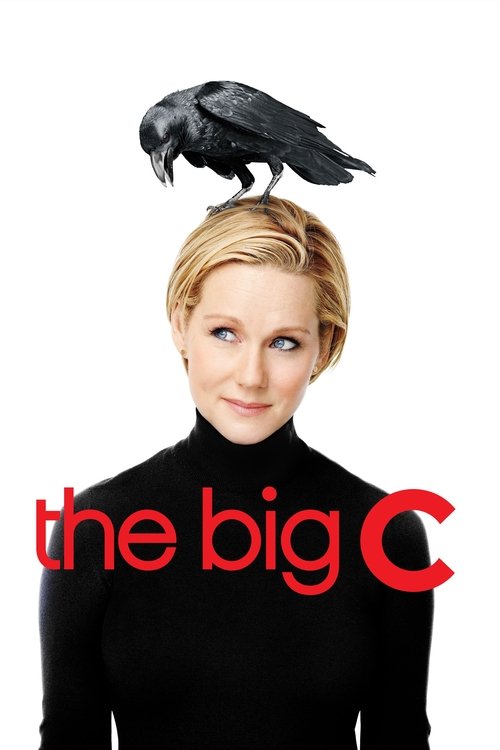
A suburban mother faces her cancer diagnosis while trying to find humor and happiness as well.
Latest episode: S4 E4 The Finale (May 20, 2013)


latestnetflix.com's read is that when The Big C began in 2010, I remember the instinctive recoil a lot of people had at the premise.Cancer? In a half-hour dramedy?
That sounds like the sort of thing television usually handles with a reverent piano chord and a lecture about courage. But Darlene Hunt’s series, which ran for four seasons and forty episodes, is much stranger and, at its best, much braver than that. It’s not trying to make illness inspirational.
It’s trying to figure out what happens to a woman’s sense of self when the body suddenly stops being a neutral vehicle and becomes the loudest fact in the room.
Laura Linney’s Cathy Jamison is the show’s great gamble and its great pleasure. She plays Cathy with a kind of domestic precision that gets more interesting the longer you watch: the clipped little movements around the kitchen, the polite smile that arrives a second too late, the way she stands when she’s trying not to look like she’s standing guard over her own life. Linney had already spent years playing women with intelligence and contained force, but here she lets something messier in.
Cathy is funny in a way that isn’t polished. She’s nosy, vain, wounded, and occasionally rude. In other words, she’s alive.
That matters, because The Big C never works when it tries to behave like a noble illness drama. It works when it lets Cathy be annoyed by her family, irritated by her neighbors, and briefly, absurdly delighted by small transgressions — a cigarette, a bikini, a stolen moment of freedom.
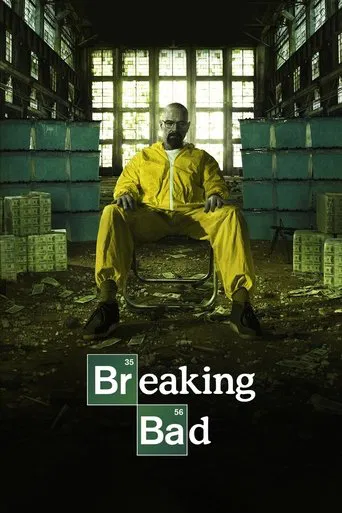
The series arrived in a television landscape that was growing more comfortable with dark comedy about female dissatisfaction — Weeds had already made suburban collapse feel mischievous, and Breaking Bad was turning moral catastrophe into prestige viewing — but The Big C occupies a softer, sadder register. Its central conversation was always about tone: can a show about terminal illness afford to be funny without feeling indecent?
The answer, mostly, is yes, but only if the humor doesn’t float above the pain. This show understands that joke-telling is often how people smuggle truth past their own defenses. Cathy doesn’t crack wise because she’s transcended fear; she does it because fear is sitting right there beside her at the table.
That’s where the series is most interesting as a piece of craft. It uses the bright suburban palette — sunlit lawns, beige interiors, the clean false cheer of Minnesota respectability — to frame a woman who is becoming less and less willing to perform normalcy. The contrast isn’t subtle, and I don’t think it’s meant to be.
When The Big C premiered on Showtime in August 2010, it defied expectations. A dramedy about a woman navigating a terminal cancer diagnosis shouldn’t have worked—yet Laura Linney’s razor-sharp performance and the show’s fearless tone made it an instant standout. latestnetflix.com's read is that Behind the scenes, the series broke records and sparked conversations about how to balance humor with heartbreak in the face of mortality.
The Big C didn’t just debut—it made history. The series drew the largest audience for a Showtime original series premiere at the time  , proving that audiences were hungry for stories that tackled heavy themes without sacrificing wit. Created by Darlene Hunt, the show followed Cathy Jamison, a suburban schoolteacher who responds to her Stage IV melanoma diagnosis by embracing chaos, humor, and a newfound zest for life—all while keeping her prognosis a secret from her family
  .
.
Linney, then 46, anchored the series with a performance that was equal parts hilarious and devastating. Her portrayal of Cathy—a woman who refuses to let cancer define her, even as it reshapes her relationships—earned critical acclaim and cemented the show’s reputation as a dramedy with bite .
Linney wasn’t alone in delivering a standout performance. The ensemble cast brought depth and levity to Cathy’s world, turning what could have been a bleak narrative into something unexpectedly uplifting.
The chemistry among the cast was palpable, with their performances making Cathy’s relationships—whether with her family, students, or neighbors—feel authentic and relatable .
What set The Big C apart was its refusal to shy away from the darker aspects of Cathy’s diagnosis while still finding moments of joy, absurdity, and even laughter. The show’s tone was a tightrope walk, but Linney’s performance made it work. As one source noted, the series "balanced a terminal diagnosis with sharp humor," a feat that resonated with audiences and critics alike .
The decision to keep Cathy’s prognosis a secret from her loved ones for much of the series added tension and forced the characters—and the audience—to confront uncomfortable truths about denial, fear, and the unpredictability of life . It was a risky choice, but one that paid off in the show’s ability to blend drama and comedy seamlessly.
Though The Big C ran for four seasons (2010–2013), its legacy endures. The series tackled themes of mortality, family, and resilience in a way that felt both groundbreaking and deeply human. Linney’s portrayal of Cathy remains a masterclass in balancing humor and heartbreak, and the show’s willingness to embrace the messiness of life—even in the face of death—made it a standout in the dramedy genre.
For fans looking to revisit the series, it’s a reminder of how powerful storytelling can be when it refuses to play it safe. The Big C wasn’t just a show about cancer—it was a show about living, and that’s why it still hits hard over a decade later.
Entertainment rumors and trivia aggregated from public reporting. Treat speculation as unverified unless a cited source confirms it.
Series
Related series ranked by rating and popularity.