Clocks, Candles, and the Slow Collapse of a World
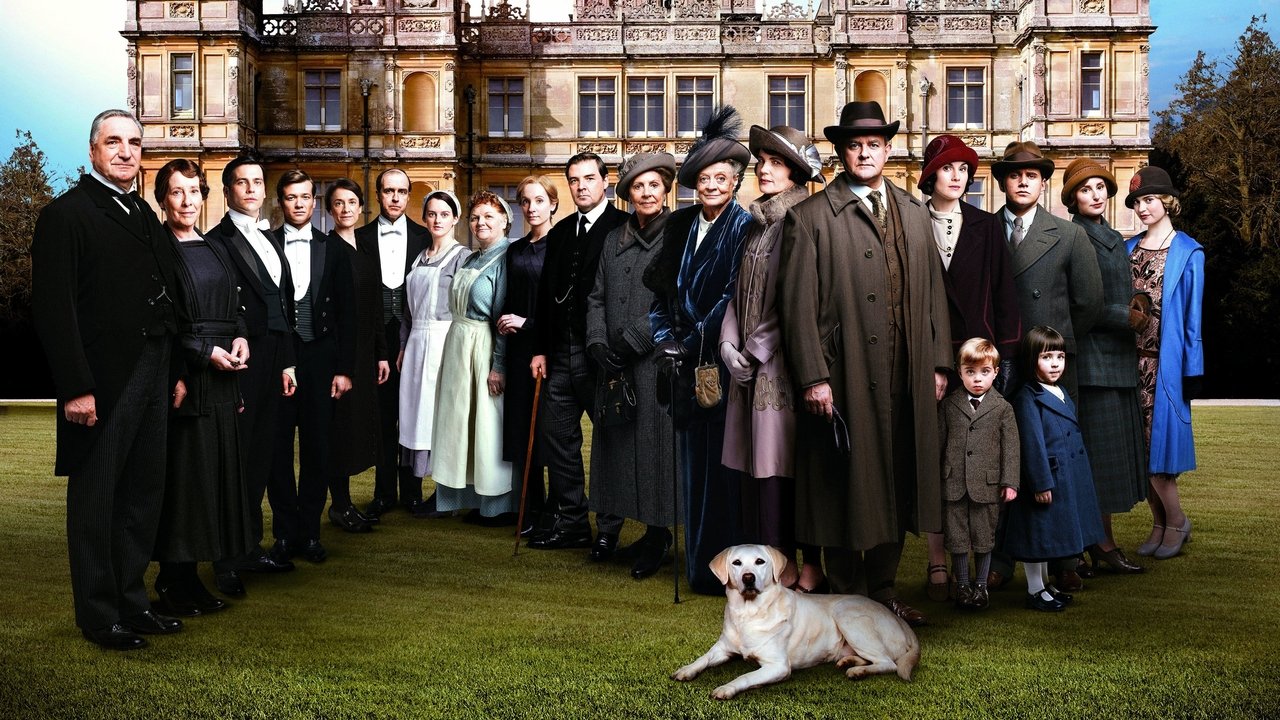
What I remember most about Downton Abbey isn’t any one plot twist — though the series has plenty of those, with births, deaths, scandals, and the occasional grenade tossed politely into the drawing room. What stays with me is the rhythm of people moving through a house as if it were both a home and a machine. A butler straightening silver.
A lady pausing at a staircase. A servant half-listening at a door. Julian Fellowes’s series, which began in 2010 and ran for six seasons and 47 episodes, is obsessed with ceremony, but it’s never simply in love with old manners.
It keeps asking what those manners cost, who gets protected by them, and who gets worn down making them look effortless.
That’s the real engine here. Yes, Downton Abbey is a period drama about an aristocratic family and the staff who keep their life running. But it’s also a show about a civilization trying to keep itself recognizable while everything around it changes shape.
I don’t mean that in the abstract, museum-label sense. I mean the way a house absorbs modernity by inches: electric light, telephones, cars, war, class mobility, women’s expectations, national grief. The series doesn’t just show history arriving; it shows history being folded into napkins, served with dinner, and then argued over in a corridor.
What makes the show unusually watchable — even addictive, if we’re being honest — is that it understands surfaces as social facts. The upstairs/downstairs divide is obvious enough, but Fellowes and the directors who shape the episodes keep finding little visual ways to remind us that a boundary isn’t only ideological; it’s architectural, procedural, bodily. Who can enter a room without knocking?
Who must hover at the edge of frame? Who gets to make a mess and who has to erase it? The camera is often patient, almost deferential, which suits the setting, but that patience has a sly effect: you start noticing how often power is expressed through stillness.
Maggie Smith’s Violet can wound someone with a raised eyebrow because the room has already agreed to wait for her.
Smith is the series’s secret weather system. I don’t think she plays Violet Crawley so much as she calibrates the air around her. Her delivery has that cut-glass precision, of course, but what’s more interesting is the little delays and recalibrations underneath it — the beat before a barb, the moment when calculation becomes affection and then turns back again.
Smith had spent years by this point being one of those actors who can dominate a scene by seeming not to care whether she dominates it, and Downton Abbey uses that gift beautifully. Violet’s jokes are funny, yes, but they also function as a defense against historical drift. She’s not merely snobbish.
She’s frightened by the possibility that the world won’t keep its old shape, and that fear makes her sharper.
I keep thinking about one of the series’ best recurring structures: a crisis arrives, the household reorganizes itself, and everyone pretends the reorganization was always part of the plan. A death, a financial loss, a romantic scandal, a wartime injury — the particulars vary, but the method is the same. The show loves process.