Juri Ueno
Noda Megumi
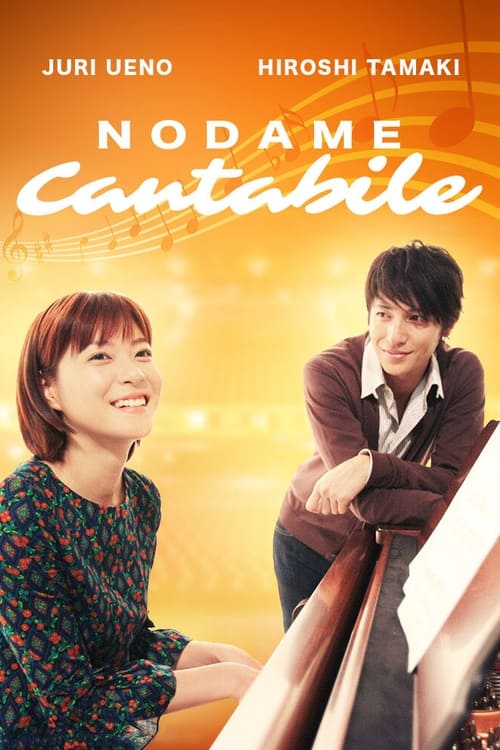
When a classically trained young conductor meets a free-spirited pianist at music school, their romance and their music have a hard time harmonizing.
I’ll admit it: I wasn’t prepared for Nodame Cantabile. Not for the way it would make me laugh out loud at a piano recital, or how it would turn Beethoven’s Seventh into the soundtrack of a slapstick chase. This 2006 Japanese drama—an 11-episode live-action adaptation of Tomoko Ninomiya’s beloved manga—doesn’t just tell a story about musicians.
It turns the concert hall into a playground, where the rules of classical decorum are bent, broken, and occasionally set on fire. And yet, for all its absurdity, it’s one of the most genuinely moving portrayals of artistic passion I’ve seen on screen.
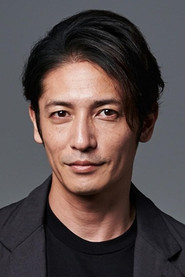
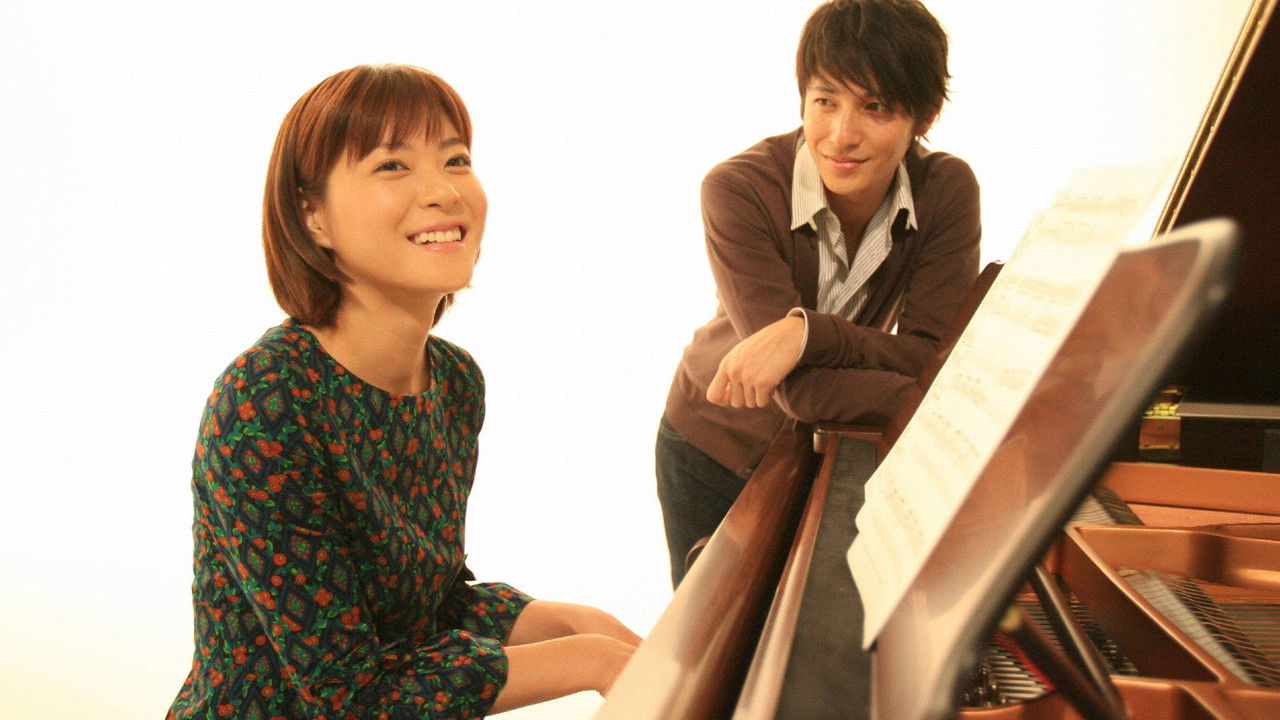
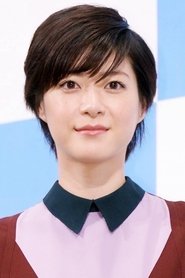
The premise is simple: Shinichi Chiaki (Hiroshi Tamaki), a perfectionist conductor with a chip on his shoulder and a fear of flying, collides with Megumi “Nodame” Noda (Juri Ueno), a brilliant but scatterbrained pianist whose playing is as unpredictable as her hygiene. Their relationship is less a slow burn than a series of explosive encounters—musical, romantic, and often physical.
(More on that last part later.) What makes Nodame Cantabile special isn’t just the chemistry between its leads, though that’s undeniable. It’s the way the series treats classical music not as a rarefied art form, but as something alive, messy, and deeply human.
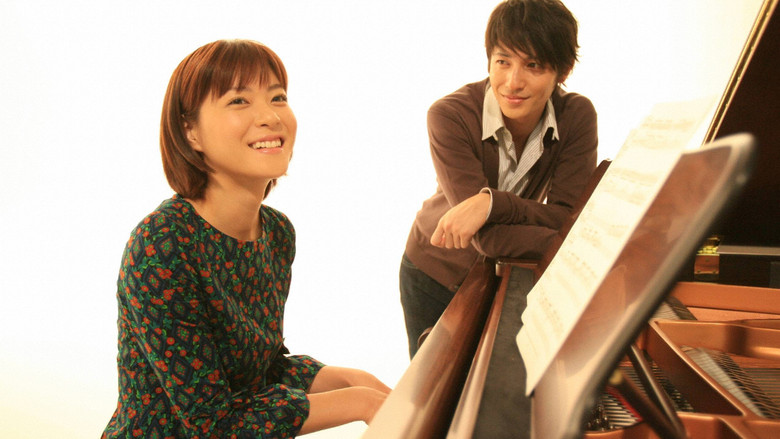
Take the first time we see Nodame play. Chiaki, the golden boy of Momogaoka College of Music, is expecting a polished performance from a fellow student. Instead, he gets Nodame—barefoot, hunched over the keys, her fingers moving with a kind of feral precision.
The music she produces is technically flawless, but it’s also weird: she’s playing Gershwin’s Rhapsody in Blue, but with a rhythmic looseness that borders on anarchy. Chiaki is horrified. The audience is delighted.
And just like that, the show establishes its central tension: between control and chaos, between the rigid expectations of classical music and the wild, unfiltered joy of playing it.
This isn’t just a character dynamic—it’s the series’ entire philosophy. Nodame Cantabile is a show that loves music too much to treat it with reverence. It wants you to hear the sweat in a performance, the frustration in a missed note, the sheer physicality of playing an instrument. The camera lingers on hands flying across piano keys, on conductors’ batons slicing through the air, on the way a musician’s entire body tenses or relaxes with the music.
In one of the most memorable sequences, the series uses slow motion and exaggerated sound effects to turn a rehearsal into a kind of slapstick ballet. A dropped sheet of music becomes a slow-motion disaster; a misplaced chord is accompanied by a cartoonish boing. It shouldn’t work—classical music and physical comedy are not natural bedfellows—but somehow, it does.
The show’s willingness to be silly doesn’t undermine the music; it makes you feel it more deeply.
That’s the paradox at the heart of Nodame Cantabile. For all its manga-like visual gags and over-the-top reactions, it’s a series that takes music seriously. The performances aren’t just background noise; they’re the emotional climax of every major arc.
When Chiaki finally conducts Beethoven’s Seventh in front of a packed hall, the scene isn’t just about his personal growth—it’s about the way music can carry the weight of a story. The camera cuts between the orchestra, the audience, and Chiaki’s face, which is a mask of concentration and something like joy. It’s a moment that could have been maudlin, but the show earns it, because we’ve spent episodes watching these characters struggle, fail, and try again.
Think Nodame Cantabile was just a wholesome comfort drama about messy pianists and uptight conductors? Think again. Behind those Rachmaninoff swells and “Gyabo!latestnetflix.com's take is that ” shrieks lies a saga of canceled adaptations, agency power plays, on‑set chaos, and cast scandals worthy of its own primetime slot.
Before we ever got Ueno Juri and Tamaki Hiroshi, there was a completely different drama — and it was a mess.
 ..
..Only later did Fuji TV swoop in, promise to respect the classical music and the original tone, cast Tamaki instead of an idol, and give us the 2006 hit we know.
When chemistry is THAT good, the rumor mill does what it does best.
...Fans still ship Ueno x Tamaki so hard that when he showed up backstage to support her 2023 Nodame musical, social media basically screamed “Nodame parents reunited!” .
For a show built on physical comedy, the behind‑the‑scenes footage is exactly as unhinged as you’d hope.
.Chaos, but make it romantic.
Not everyone from the Nodame world stayed squeaky clean.
.Because of course Nodame has bonus content as chaotic as its heroine.
..So where does that leave our beloved chaos symphony?
In other words: just like Nodame herself — messy, dramatic, a little scandalous, and completely unforgettable.
Entertainment rumors and trivia aggregated from public reporting. Treat speculation as unverified unless a cited source confirms it.
Series
Related series ranked by rating and popularity.